
Safe Sleep Guidelines for Infants: Essential Tips for Parents
Bringing home a newborn is a whirlwind of joy, cuddles, and (let’s be honest) sleepless nights. As you adjust to your new normal, your baby's safety while sleeping becomes a top priority. Safe sleep guidelines for infants are more than just recommendations—they’re life-saving practices every parent and caregiver should know. In this comprehensive guide, we’ll break down the latest safe sleep advice, dispel common myths, and offer practical tips to help you create a secure sleep environment for your little one.
Why Are Safe Sleep Practices So Important?
Sudden Infant Death Syndrome (SIDS)—sometimes called “crib death”—is the unexplained death of a seemingly healthy baby, usually during sleep. While the exact cause of SIDS remains unknown, research shows that certain sleep environments and positions can dramatically increase or decrease the risk. Following evidence-based infant sleep safety guidelines can help protect your child against SIDS and other sleep-related hazards like accidental suffocation or strangulation.
Back to Sleep: The Golden Rule
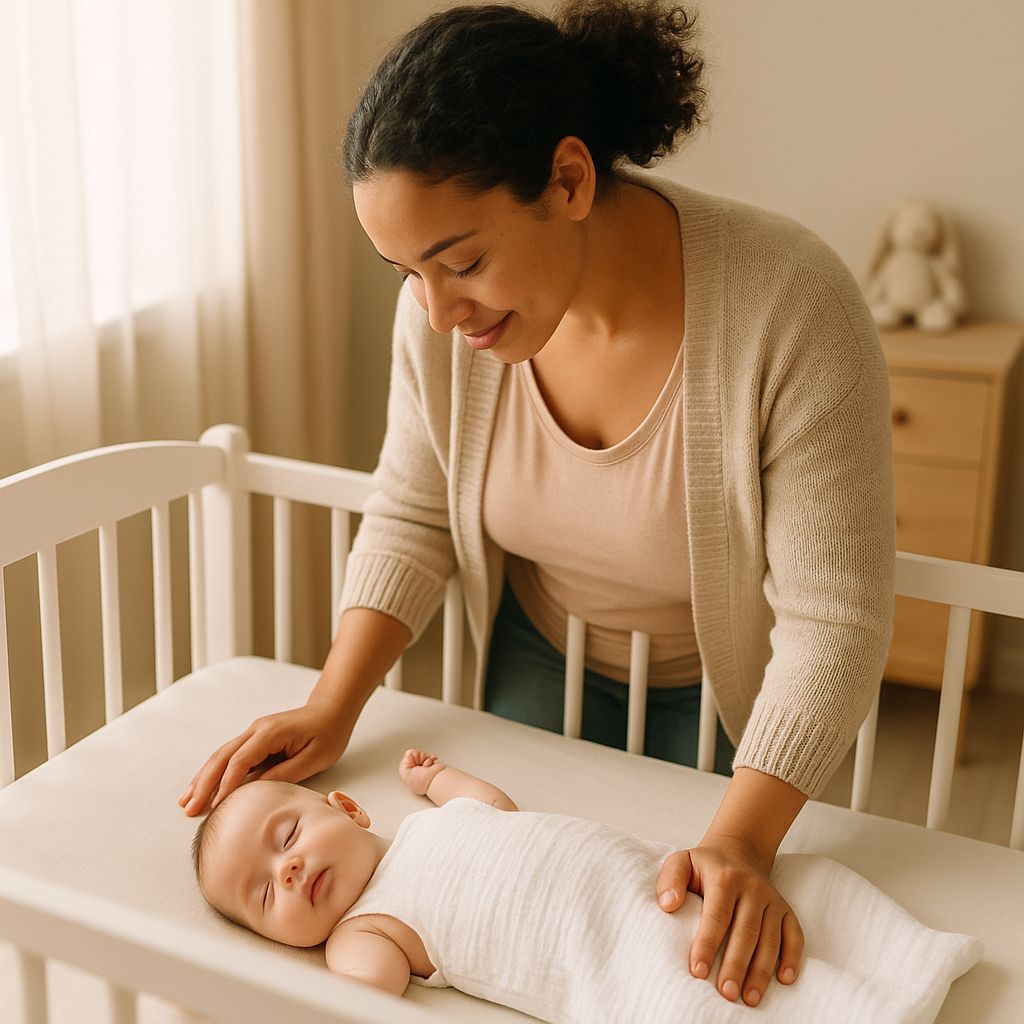
The single most important rule for safe sleep guidelines for infants is: Always place your baby on their back to sleep—for every nap and nighttime sleep. Babies who sleep on their backs have a significantly lower risk of SIDS compared to those placed on their side or stomach.
- Consistency matters: Make sure everyone who cares for your baby (grandparents, babysitters, daycare providers) follows the same back-to-sleep rule.
- What about rolling over? Once your baby can consistently roll both ways on their own (back-to-tummy and tummy-to-back), you can let them find their own sleep position, but always start them on their back.
Choosing a Safe Sleep Surface
Not all sleep spaces are created equal! The American Academy of Pediatrics (AAP) recommends that infants sleep in a safety-approved crib, bassinet, or play yard with a firm, flat mattress and a fitted sheet—nothing more.
- Avoid soft surfaces: Never place your baby to sleep on sofas, armchairs, pillows, or adult beds.
- Skip extras: Keep the crib free of toys, pillows, blankets, and crib bumpers. These items can pose suffocation and strangulation risks.
- No inclined sleepers: Devices that position babies at an incline, like some sleepers and wedges, are not safe for unsupervised sleep.
The Ideal Sleep Environment
Setting up a safe sleep zone doesn’t require fancy gadgets or adorable bedding sets. In fact, less is more when it comes to your baby’s sleep space.
- Room-sharing is best: The AAP recommends sharing a room (but not a bed) with your baby for at least the first 6 months, ideally up to 12 months.
- Crib location: Place the crib or bassinet within arm’s reach of your bed for easy nighttime feeds and soothing.
- Temperature control: Dress your baby in light layers and keep the room at a comfortable temperature (68–72°F/20–22°C). Overheating is a known SIDS risk factor.
- Air quality matters: Avoid exposing your baby to smoke, vaping, or strong odors like perfumes and air fresheners in the sleep area.
What to Avoid in the Sleep Space
Even with the best intentions, it’s easy to fall for cute crib sets or well-meaning gifts. Here’s what to keep out of your baby’s sleep space:
- Loose bedding: Blankets, sheets, and quilts should stay out of the crib until your baby is at least 12 months old. Use a wearable blanket or sleep sack for warmth.
- Crib bumpers and positioners: These products may look cozy but can trap or suffocate infants.
- Stuffed animals and toys: Save the snuggly friends for supervised awake time.
- Mobiles with strings: Remove mobiles once your baby can push up on hands and knees, and never use mobiles with strings or ribbons that hang low enough to grab.
Bed-Sharing vs. Room-Sharing
It’s tempting to bring your baby into your bed, especially during late-night feeds or fussy nights. However, bed-sharing is associated with a higher risk of SIDS and accidental suffocation. Instead, practice room-sharing:
- Safe alternatives: Portable bassinets, play yards, or cribs that fit next to your bed let you keep your baby close without sharing a sleep surface.
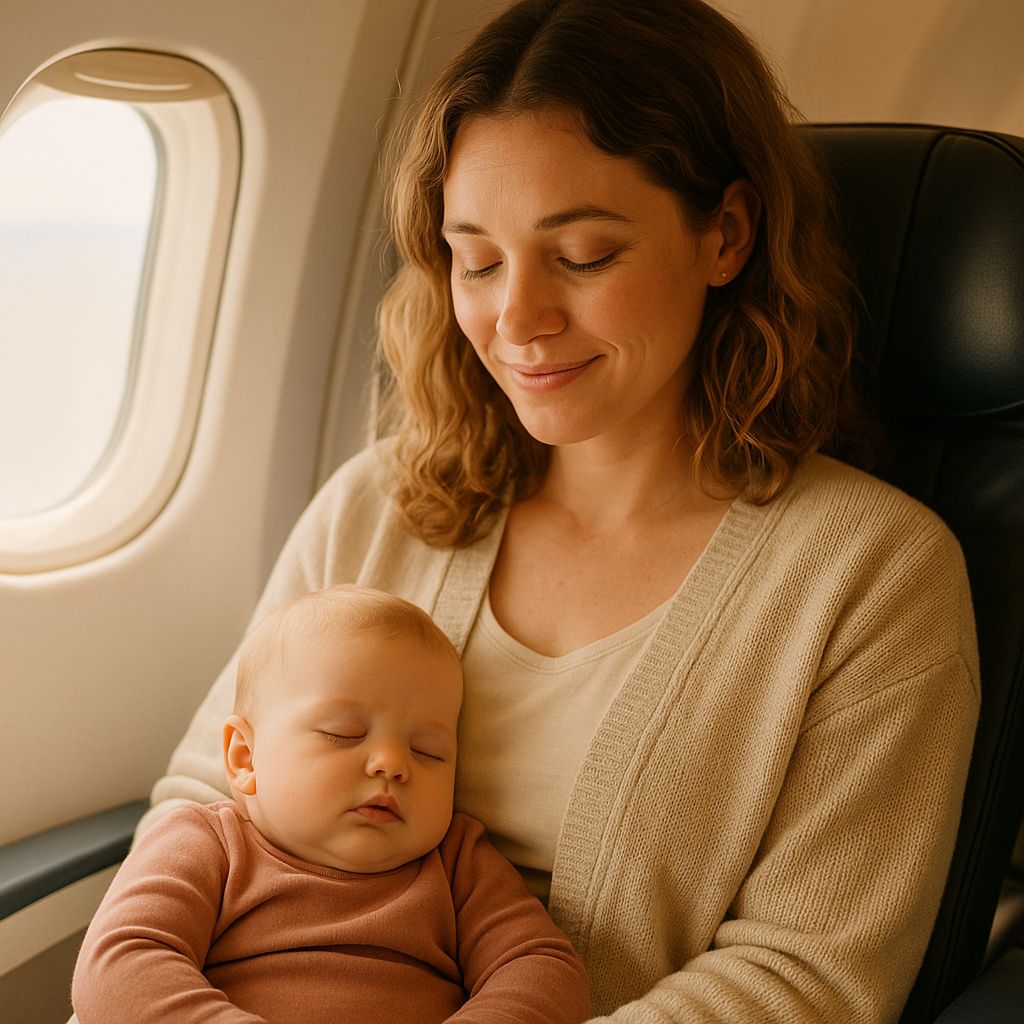
- Travel tips: Bring your own portable crib or bassinet when visiting family or traveling to ensure your baby always has a safe sleep spot.
Additional Tips to Reduce SIDS Risk
- Breastfeeding, if possible: Studies show that breastfeeding can lower the risk of SIDS by about 50%, even if you only breastfeed for a few weeks.
- Offer a pacifier at nap and bedtime: Pacifier use is associated with a reduced SIDS risk. If breastfeeding, wait until breastfeeding is well established (usually 3–4 weeks).
- Keep up with immunizations: Research suggests that fully immunized babies have a lower risk of SIDS.
- Avoid overheating: Dress your baby in one more layer than you would wear and check for signs of overheating (sweating, hot chest, flushed skin).
- No smoking: Both prenatal and postnatal exposure to smoke significantly increases SIDS risk. Make your home and car smoke-free zones.
Common Safe Sleep Myths—Debunked!
- "Babies will choke if they sleep on their backs." Healthy babies have natural reflexes to prevent choking. Back sleeping does not increase choking risk.
- "Blankets are necessary for warmth." Wearable blankets and sleep sacks are safer options for keeping your baby cozy without loose bedding.
- "Crib bumpers protect against injury." Crib bumpers can suffocate or strangle infants and are not recommended by safety experts.
- "It’s safe to nap with my baby as long as I’m awake." Babies can suffocate in seconds, even if you don’t plan to fall asleep. Always put your baby in their own sleep space for naps and nighttime sleep.
What About Special Circumstances?
Premature babies or those with medical conditions may have unique needs. However, unless otherwise directed by your pediatrician, the same safe sleep guidelines apply: place babies on their backs, use a firm flat sleep surface, and keep the crib clear of hazards.
Creating a Safe Sleep Routine
Consistency is key! Here’s how to build a safe sleep routine from day one:
- Set up your baby’s sleep space before bringing them home.
- Make safe sleep a part of every nap and nighttime routine.
- Share your safe sleep plan with anyone who will care for your baby (family, friends, babysitters).
- Reassess the sleep environment as your baby grows—remove mobiles, lower the crib mattress, and keep cords or window blinds out of reach.
Safe Sleep During Travel and Holidays
Whether you’re visiting family or spending a night at a hotel, safe sleep rules still apply:
- Bring your own travel crib or play yard if you’re unsure about sleeping arrangements.
- Never let your baby sleep on couches, armchairs, or makeshift beds.
- If you’re sharing a hotel room, ask for a crib and inspect it for safety (firm mattress, no gaps, and no loose bedding).
When to Transition Out of a Crib?
Most babies are ready to move out of the crib when they can climb out or are about 35 inches tall. Until then, keep them in a safety-approved crib or sleep space with the mattress at the lowest position and the sleep area clear of hazards.
Monitoring and Technology
There are many baby monitors and wearable devices on the market. While they can give peace of mind, they are not a substitute for following safe sleep guidelines. There’s no evidence that home monitors reduce the risk of SIDS. Stick to the basics for the best protection.
Safe Sleep Guidelines Checklist
- Place baby on their back for every sleep.
- Use a firm, flat mattress with a fitted sheet—no extras.
- Room-share, but don’t bed-share.
- Keep the sleep environment cool and smoke-free.
- Skip loose bedding, toys, and bumpers.
- Stay consistent at home and while traveling.
Final Thoughts
Safe sleep practices are simple but powerful ways to protect your baby, offering peace of mind for you and sweet dreams for them. Remember: always place your baby on their back, keep their crib clear, and share a room—not a bed. When in doubt, consult your pediatrician for personalized advice. You’re doing an amazing job, and every safe sleep choice counts!
Frequently Asked Questions
- Why should babies sleep on their backs?
- Sleeping on the back significantly reduces the risk of Sudden Infant Death Syndrome (SIDS). Babies who sleep on their stomach or side are at a higher risk of suffocation and SIDS.
- Is it safe for my baby to sleep in a car seat or swing?
- No. Babies should only sleep in a safety-approved crib, bassinet, or play yard. Sleeping in car seats, swings, or other sitting devices increases the risk of airway obstruction and suffocation.
- Can I use a blanket in my baby's crib?
- It's safest to avoid loose bedding, including blankets, until your child is at least 12 months old. Use a wearable blanket or sleep sack for warmth instead.
- What temperature should my baby's room be?
- Aim for a comfortable temperature, typically between 68–72°F (20–22°C). Overheating can increase the risk of SIDS, so dress your baby in light layers and avoid heavy blankets.
- Is bed-sharing safe for infants?
- Bed-sharing increases the risk of SIDS and accidental suffocation. Room-sharing, where your baby sleeps in your room but on a separate sleep surface, is the safest option.
For more information, talk to your pediatrician or visit trusted sources like the American Academy of Pediatrics or the Safe to Sleep campaign.