The Vital Role of Discussions in Child Development
In today's fast-paced world, where screens often replace face-to-face communication, the simple act of having meaningful discussions with your child can have a profound impact on their development. Conversations are not just exchanges of words—they are the foundation upon which children build their language, reasoning, social, and emotional skills. In this comprehensive guide, we will explore the vital role of discussions in child development, backed by expert insights and practical strategies for parents.
Understanding Child Development Through Conversations
Childhood is a period of remarkable growth. From learning to express feelings to grasping complex ideas, children rely heavily on interactions with adults and peers. Discussions, both structured and spontaneous, serve as the scaffolding for these developmental milestones. Research consistently shows that children who engage in regular, meaningful conversations with caregivers display stronger language skills, higher emotional intelligence, and better social adaptability.
How Conversations Shape Cognitive Growth
Language is the gateway to thought. Engaging children in discussions helps them:
- Expand Vocabulary: Hearing and using new words in context enhances language acquisition.
- Develop Reasoning: Debating, predicting outcomes, and problem-solving during conversations strengthen cognitive abilities.
- Enhance Memory: Recalling and recounting experiences during discussions improves memory retention and narrative skills.
The Social and Emotional Benefits of Family Discussions
Beyond language, discussions nurture essential social and emotional skills:
- Empathy: Listening to others' perspectives encourages understanding and compassion.
- Emotional Regulation: Talking about feelings helps children name, process, and manage emotions.
- Conflict Resolution: Family discussions model respectful disagreement and collaborative problem-solving.
Why Parent-Child Communication Matters
Parent-child communication is the bedrock of trust and self-esteem. When children feel heard and valued, they are more likely to open up about their struggles, ask questions, and seek guidance. This open channel of communication also allows parents to impart values, clarify expectations, and monitor their child’s emotional well-being.
Building a Safe Space for Dialogue
Creating a safe, non-judgmental space is essential for meaningful discussions. Children should feel free to express themselves without fear of criticism. When parents practice active listening—making eye contact, nodding, and reflecting feelings—they signal respect and attentiveness.
Strategies for Fostering Discussions at Home
Incorporating discussions into your family routine doesn’t require grand gestures or elaborate plans. Here are some practical strategies to get started:
1. Use Open-Ended Questions
Instead of asking yes/no questions, try prompts like:
- “What was the best part of your day?”
- “How did that make you feel?”
- “What would you do differently next time?”
Open-ended questions invite children to elaborate and think critically.
2. Share Your Own Stories
Model vulnerability and storytelling by sharing your experiences and feelings. This not only builds trust but also shows children how to articulate thoughts and emotions.
3. Establish Family Routines
Designate regular times for discussions, such as during dinner, bedtime, or car rides. Predictable routines help children anticipate and prepare for conversations.
4. Encourage Turn-Taking
Teach children to listen as well as speak. Use a “talking stick” or take turns sharing to ensure everyone’s voice is heard.
5. Discuss a Variety of Topics
Move beyond daily logistics. Talk about books, current events, feelings, and moral dilemmas. This broadens children’s perspectives and stimulates curiosity.
The Role of Discussions in Developing Critical Thinking
Critical thinking is a cornerstone of lifelong learning and adaptability. When parents and caregivers engage children in thoughtful discussions, they help them:
- Analyze situations and consider multiple viewpoints
- Distinguish facts from opinions
- Make informed choices
For example, after reading a story, ask your child, “Why do you think the character made that choice? What would you have done?” Such questions prompt deeper analysis and reflection.
Enhancing Emotional Intelligence Through Dialogue
Emotional intelligence (EQ) is the ability to recognize, understand, and manage one’s own emotions and those of others. Studies show that high EQ is linked to better social relationships, academic success, and mental health. Discussions at home help children:
- Label and articulate feelings, reducing emotional outbursts
- Practice empathy by considering others’ feelings
- Negotiate and resolve disagreements respectfully
When parents validate a child’s feelings (“I see you’re upset because your toy broke”) and guide them through problem-solving, they lay the groundwork for emotional resilience.
Addressing Common Challenges in Parent-Child Discussions
Overcoming Reluctance
Some children may initially resist discussions, especially about sensitive topics. To overcome reluctance:
- Start with light, enjoyable subjects to build comfort
- Use play, art, or storytelling as alternative entry points
- Respect their need for privacy, but let them know you’re available
Managing Disagreements
Disagreements are natural. Use them as opportunities to teach respectful debate and problem-solving. Encourage your child to express their viewpoint and model how to disagree without hostility.
Navigating Sensitive Topics
When discussing difficult issues (e.g., bullying, loss, or family changes), be honest and age-appropriate. Validate your child’s feelings and reassure them of your support.
Integrating Technology in Discussions
While face-to-face interactions are irreplaceable, technology can enhance discussions when used mindfully. Video calls with distant relatives, educational podcasts, and collaborative online games can all spark meaningful conversations. Set boundaries to ensure that technology complements rather than replaces in-person dialogue.
Real-Life Scenarios: Bringing Discussions to Life
Consider these everyday scenarios and how they can be transformed into developmental opportunities:
- After School: Instead of “How was school?”, ask “Tell me about something funny or surprising that happened today.”
- During Conflict: Guide your child to express their feelings and needs (“I feel frustrated when...”) and brainstorm solutions together.
- At Bedtime: Reflect on the day’s highs and lows, encouraging gratitude and emotional processing.
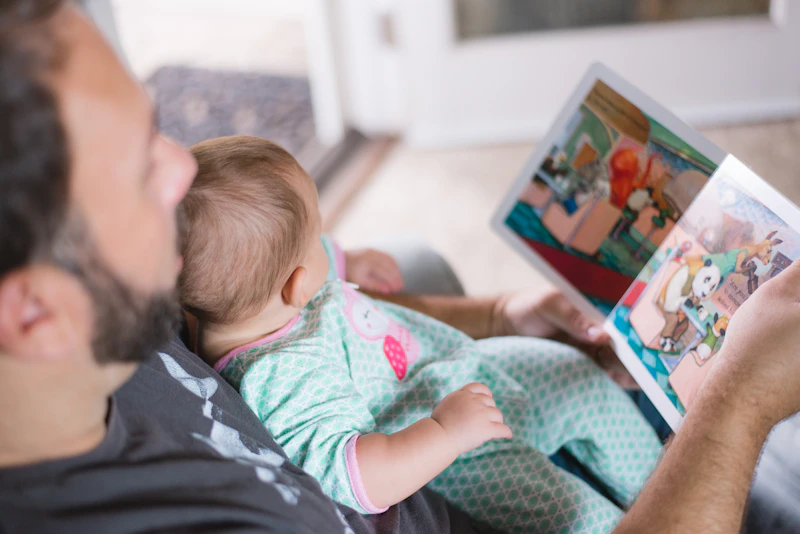
- When Reading Together: Pause to discuss characters’ motives, predict outcomes, and connect stories to real-life experiences.
Signs Your Discussions Are Making a Difference
Look for these positive changes in your child:
- Increased willingness to share thoughts and feelings
- Improved vocabulary and communication skills
- Greater empathy and consideration for others
- Enhanced problem-solving abilities
- Better emotional regulation and fewer meltdowns
Conclusion: The Lasting Impact of Meaningful Discussions
The role of discussions in child development cannot be overstated. Each conversation is an investment in your child’s intellectual, social, and emotional future. By prioritizing open, respectful, and thoughtful dialogue, parents empower their children to become confident communicators, empathetic friends, and resilient problem-solvers. Start today—one meaningful discussion at a time—and watch your child’s potential unfold.
Frequently Asked Questions
- Why are discussions important in child development?
- Discussions help children develop language skills, emotional intelligence, critical thinking, and social understanding. They provide a safe space for expressing thoughts and learning from others.
- How can parents encourage discussions with their children?
- Parents can ask open-ended questions, share personal stories, and create a routine for family conversations. Active listening and showing genuine interest are key.
- Can discussions help with behavioral issues?
- Yes, regular discussions can teach children problem-solving and emotion regulation skills, making them less likely to act out and more likely to resolve conflicts peacefully.
- What topics are good for family discussions?
- Everyday experiences, feelings, current events, books, and moral dilemmas are all excellent topics. The goal is to encourage thinking and sharing in a respectful environment.