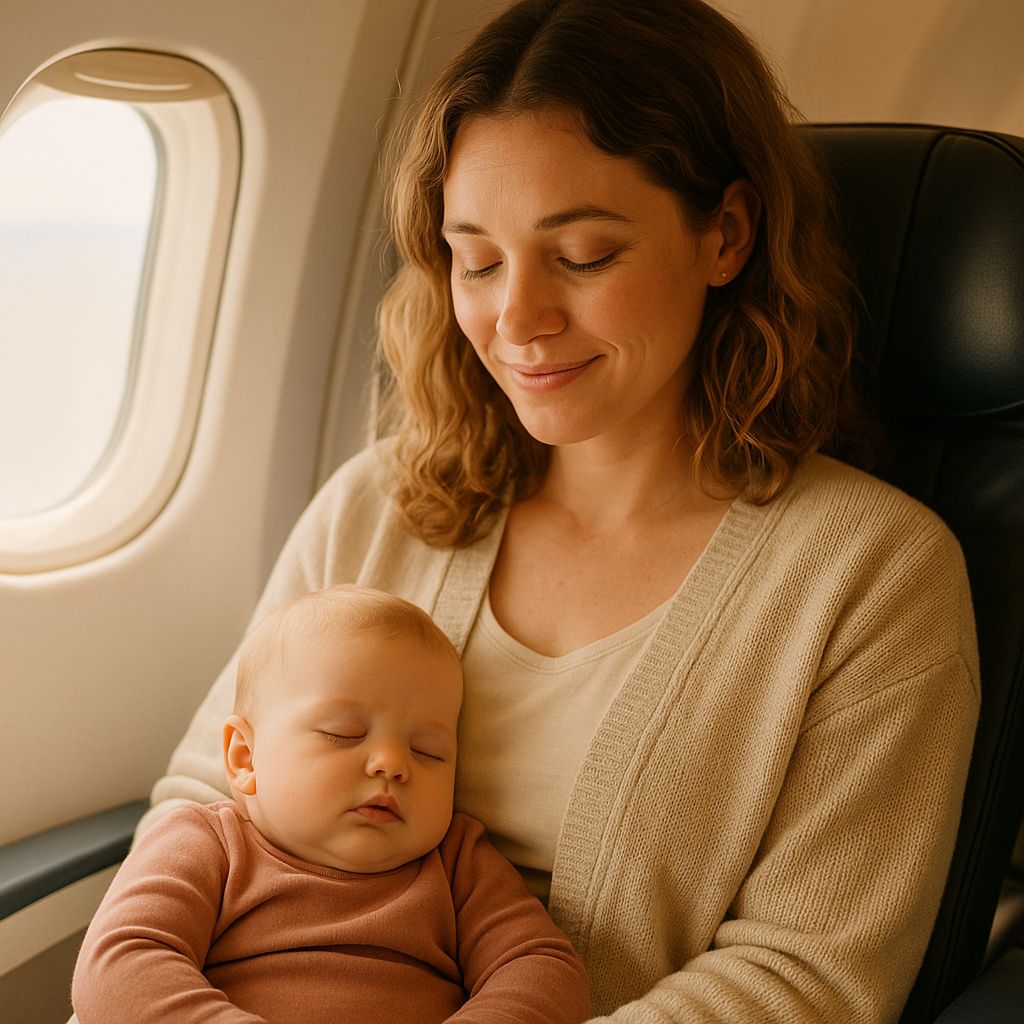
How to Reduce the Risk of Sudden Infant Death: Evidence-Based Strategies for Safer Sleep
Few concerns weigh as heavily on new parents as the risk of Sudden Infant Death Syndrome (SIDS), sometimes called "crib death." While the exact cause of SIDS remains unknown, extensive research has identified key practices that significantly lower the risk. The following expert-backed strategies can help you create the safest possible sleep environment for your baby, offering peace of mind during those precious early months and years.
Understanding Sudden Infant Death Syndrome (SIDS)
SIDS is defined as the sudden, unexpected death of an apparently healthy infant under one year of age, which remains unexplained even after thorough investigation. According to the American Academy of Pediatrics (AAP), the majority of SIDS deaths occur during sleep or in sleep environments. While the exact causes are still being studied, factors such as unsafe sleep practices, genetic vulnerabilities, and environmental risks play a role.
1. Always Place Your Baby on Their Back to Sleep
The single most effective action you can take is to always lay your baby down on their back for every sleep—naps and nighttime—in the first year of life. Babies who sleep on their stomachs or sides have a much higher risk of SIDS. Since the "Back to Sleep" campaign began, SIDS rates have dropped by over 50%.
- Consistency is key: Everyone caring for your baby should follow this guideline—grandparents, babysitters, and daycare providers included.
- Rolling over: Once your baby can roll both ways independently, it’s safe to let them find their own position, but always start sleep on the back.
2. Use a Firm, Flat Sleep Surface
Your baby should sleep on a firm mattress covered only by a fitted sheet. Avoid soft surfaces such as couches, armchairs, or adult beds, which increase the risk of suffocation and entrapment. Never place your baby to sleep on pillows, quilts, sheepskins, or other soft materials.
- Cribs, bassinets, and portable play yards that meet current safety standards are recommended.
- Make sure the mattress fits snugly in the crib with no gaps around the edges.
3. Keep the Crib Free of Soft Bedding, Pillows, and Toys
The only thing your baby needs in the sleep space is a fitted sheet. Remove bumper pads, blankets, pillows, stuffed animals, and any other loose items. These can pose risks for suffocation, strangulation, or choking.
- Instead of blankets, use a properly sized wearable blanket or sleep sack for warmth.
- Mobiles and other decorations should be securely out of reach and removed once your baby can push up on their hands and knees.
4. Share Your Room, Not Your Bed
Room-sharing—placing the baby’s crib or bassinet in your room—has been shown to reduce the risk of SIDS by as much as 50%. The AAP recommends room-sharing for at least the first six months, ideally the first year.
- Bed-sharing significantly increases SIDS risk and is especially dangerous if parents are smokers, have consumed alcohol or drugs, or are extremely tired.
- Keep the baby’s sleep space separate and never place your baby to sleep on an adult bed, couch, or armchair.
5. Avoid Overheating and Monitor Room Temperature
Overheating is a known risk factor for SIDS. Dress your baby in appropriate clothing for the environment—generally one layer more than you would wear. The room should be kept at a comfortable temperature, about 68–72°F (20–22°C).
- Signs of overheating include: sweating, damp hair, flushed cheeks, heat rash, or rapid breathing.
- Avoid hats and head coverings indoors when your baby is sleeping.
6. Breastfeed If Possible
Breastfeeding, whether exclusively or partially, has been shown to reduce the risk of SIDS. The AAP recommends exclusive breastfeeding for at least 6 months, or as long as possible. Even partial breastfeeding is protective compared to no breastfeeding.
- Breastfeeding has additional benefits, including boosting your baby's immune system and reducing infections.
7. Offer a Pacifier at Naptime and Bedtime
Multiple studies have found that offering a pacifier when placing your baby to sleep can reduce the risk of SIDS, though the exact mechanism is not fully understood.
- Offer the pacifier after breastfeeding is well established (usually by 3-4 weeks).
- Don't force the pacifier if your baby refuses it, and don’t reinsert it once your baby falls asleep.
- Do not hang the pacifier around your baby's neck or attach it to clothing during sleep.
8. Avoid Secondhand Smoke, Alcohol, and Illicit Drug Exposure
Exposure to tobacco smoke—both during pregnancy and after birth—increases the risk of SIDS. The same is true for alcohol and illicit drug use. Make your home and car smoke-free zones, and ask visitors to step outside if they smoke. If you need help quitting, speak with your healthcare provider for resources.
9. Keep Up with Immunizations
Current evidence shows that infants who are vaccinated according to the recommended schedule have a lower risk of SIDS. Immunizations protect your baby from serious diseases that could contribute to sudden infant death.
10. Consider the Use of a Fan
Some studies suggest that using a fan to circulate air in the baby’s room may decrease SIDS risk by preventing the re-breathing of exhaled air. Ensure the fan is set on a safe speed and not blowing directly on the baby.
What About Sleep Positioners, Monitors, and Other Devices?
The AAP does not recommend the use of commercial devices marketed to reduce SIDS risk, such as wedges, positioners, or home cardiorespiratory monitors. These products have not been proven to prevent SIDS and may actually increase danger by causing suffocation or giving parents a false sense of security.
Special Considerations for Preterm and Low Birth Weight Infants
Babies born prematurely or with low birth weight are at higher risk for SIDS. The same safe sleep guidelines apply, but extra vigilance is needed. Consult your pediatrician if your baby has special health needs.
Creating a Safe Sleep Environment Checklist
- Always place baby on their back to sleep.
- Use a firm, flat mattress with a fitted sheet.
- No soft bedding, pillows, blankets, or toys in the sleep area.
- Room-share without bed-sharing for at least 6 months.
- Dress baby appropriately and avoid overheating.
- Offer a pacifier at sleep time (if desired, and breastfeeding is established).
- Keep the home smoke-free.
- Stay up-to-date on immunizations.
Supporting Grieving Families
Despite all precautions, SIDS can still occur. If you or someone you know is affected, know that it is not your fault. Support groups and counseling are available to help families cope with this tragic loss.
Conclusion
While SIDS cannot always be prevented, you can dramatically reduce your baby's risk by following these science-backed recommendations. Safe sleep habits are among the most powerful tools parents have to protect their infants. Share this information with everyone who cares for your child, and stay up-to-date with current guidance from trusted sources like the American Academy of Pediatrics. Your diligence can make all the difference in your baby's safety and your family's peace of mind.
Frequently Asked Questions
- What is Sudden Infant Death Syndrome (SIDS)?
- SIDS is the sudden, unexplained death of a healthy infant, usually during sleep. The exact cause is unknown, but certain sleep environments and practices have been linked to increased risk.
- Is it safe to share a bed with my baby?
- Bed-sharing increases the risk of SIDS and accidental suffocation. Room-sharing, where your baby sleeps in a separate crib or bassinet in your room, is recommended for at least the first six months.
- Can using a pacifier help prevent SIDS?
- Yes, offering a pacifier at nap time and bedtime has been shown to reduce the risk of SIDS. If breastfeeding, wait until breastfeeding is well established, usually by 3-4 weeks.
- Are wearable blankets or sleep sacks safe for infants?
- Yes, wearable blankets or sleep sacks that fit properly can keep your baby warm without the risk of loose bedding.
- When can my baby safely sleep on their stomach?
- Babies should always be placed on their backs to sleep for the first year. Once your baby can roll over both ways on their own, you can let them find their own sleep position, but always start sleep on the back.