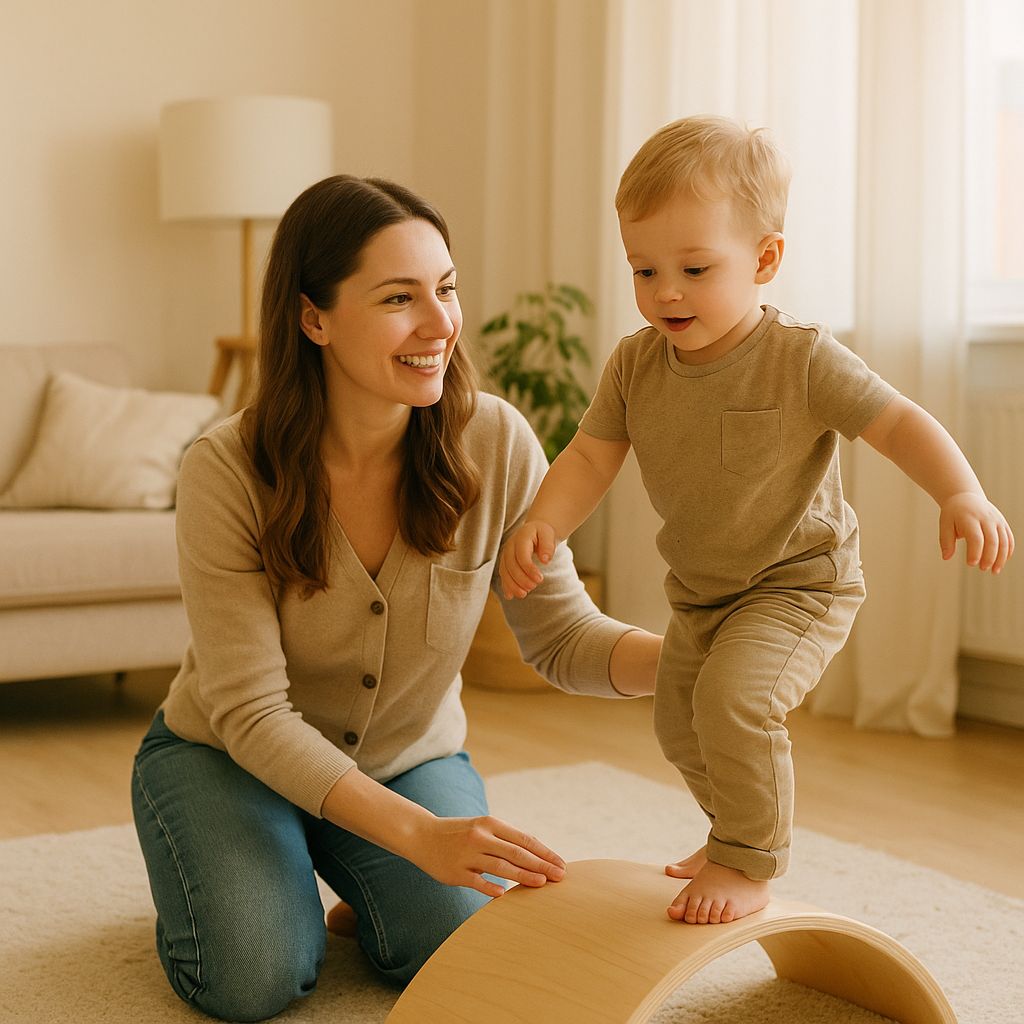

Preventing Injuries in Active Toddlers: A Parent’s Guide to Safe Play
When your toddler takes their first steps, it’s a moment of pure joy—and the start of a whole new adventure. Suddenly, your little one is exploring, climbing, running, and occasionally, tumbling. With all this movement comes the risk of bumps, bruises, and more serious injuries. But don’t worry! With a little preparation and awareness, you can create a safe environment for your active toddler to thrive and grow.
Why Are Toddlers Prone to Injuries?
Toddlers are naturally curious and eager to discover the world around them. Their motor skills are still developing, making them a bit wobbly and unpredictable. They haven’t yet learned to recognize dangerous situations, and their bodies are smaller and more fragile. This combination means that injuries are common during the toddler years, especially for those who are particularly active.
Common Injuries Among Active Toddlers
- Falls: Often from furniture, stairs, playground equipment, or simply tripping over toys.
- Bumps and Bruises: From running into objects or colliding with siblings.
- Scrapes and Cuts: Especially on knees, elbows, and hands during outdoor play.
- Burns: From hot surfaces, water, or even certain toys.
- Choking: On small objects, food, or toys.
- Poisoning: If they manage to access medications or cleaning products.
Step 1: Childproofing Your Home for Safety
Childproofing is the foundation of injury prevention. Here’s a checklist to help you cover the basics:
- Secure Furniture: Anchor heavy furniture and TVs to the wall to prevent tipping.
- Cover Sharp Corners: Use corner protectors on tables and shelves.
- Install Safety Gates: Place gates at the top and bottom of stairs and block off dangerous rooms.
- Lock Cabinets: Use childproof locks on cabinets containing cleaning supplies, medications, or sharp objects.
- Window Safety: Install window guards and keep furniture away from windows.
- Hide Electrical Cords: Use cord organizers and cover outlets with safety plugs.
- Keep Floors Clear: Remove clutter and toys from walkways to reduce tripping hazards.
- Bathroom Safety: Keep toilet lids closed and never leave your toddler unattended near water.
- Kitchen Safety: Keep hot pots, sharp utensils, and cleaning supplies out of reach. Use stove knob covers and oven locks.
Step 2: Safe Play Environments
The right environment can foster healthy play while reducing injury risk. Here’s how to set up safe spaces for your toddler:
- Indoor Play: Choose soft flooring like foam mats or rugs. Avoid glass-topped tables and fragile decor. Designate a play area away from stairs and doors.
- Outdoor Play: Check that playground equipment is age-appropriate and in good condition. Look for soft surfaces like mulch or rubber mats under swings and slides. Supervise your child closely and keep them away from busy streets.
- Group Play: Monitor interactions with other children, especially in crowded spaces. Teach your toddler about sharing and gentle play.
Step 3: Supervision—Your Best Safety Tool
No amount of childproofing can replace attentive supervision. Toddlers are quick and creative; they can find new ways to get into trouble! Here are tips for effective supervision:
- Stay Close: Be within arm’s reach during risky activities like climbing, running, or playing near water.
- Set Up Safe Zones: If you need to multitask, create a secure play area with gates or playpens.
- Active Engagement: Play with your toddler—this lets you monitor their actions and model safe behavior.
- Know Your Child: Some toddlers are more adventurous than others. Adjust your level of supervision accordingly.
Step 4: Teaching Toddlers About Safety
Even though toddlers are young, they can start learning about safety rules. Make it part of your daily routine:
- Simple Instructions: Use clear, consistent phrases like "Feet stay on the ground," or "No running inside."
- Positive Reinforcement: Praise your child when they follow safety rules.
- Demonstrate Safe Behavior: Show your toddler how to climb stairs safely, cross the street, or pick up toys.
- Use Books and Stories: Children’s books about safety can reinforce concepts in a fun way.
- Role Play: Practice scenarios like crossing the street or what to do if they get lost.
Step 5: First Aid Knowledge for Parents
No matter how careful you are, accidents will happen. Being prepared is the key:
- First Aid Kit: Keep a well-stocked kit accessible at home and in your car.
- Learn Basic First Aid: Take a child-focused first aid class. Know how to treat cuts, burns, and know when to seek medical help.
- Emergency Contacts: Display important numbers—family doctor, poison control, emergency services—in a visible place.
- Stay Calm: Your response can help your toddler feel less scared during an accident.
Step 6: Special Considerations for Active Toddlers
Every child is unique, but some toddlers are especially energetic and daring. Here’s how to handle high-activity kids:
- Channel Energy Constructively: Offer plenty of safe opportunities for climbing, jumping, and running—like soft play gyms or supervised outdoor areas.
- Rotate Toys: Keep play interesting and reduce boredom, which can lead to risky behavior.
- Set Clear Boundaries: Use gentle reminders and consistent rules.
- Check for Sensory Needs: Some toddlers seek physical sensations; consult your pediatrician if you notice extreme behaviors.
Step 7: Safety Outside the Home
Active toddlers love exploring new places! Keep these tips in mind when you’re out and about:
- Playgrounds: Choose equipment designed for young children. Supervise closely and teach your toddler to use slides and swings properly.
- Shopping Centers: Hold hands or use a stroller. Keep an eye out for escalators and automatic doors.
- Parks: Check for hazards like water, uneven paths, or sharp objects.
- Social Gatherings: Designate a safe play area and introduce your toddler to other children.
Step 8: Managing Sibling Dynamics
If you have older children, managing their interactions with your toddler is essential:
- Teach Gentle Play: Encourage older siblings to be mindful of your toddler’s size and abilities.
- Supervise Shared Activities: Monitor games and toys that could be unsafe for younger children.
- Model Conflict Resolution: Show how to handle disagreements peacefully.
Step 9: Safe Sleep Practices
Safety doesn’t stop at bedtime. Toddlers can get injured if their sleep environment isn’t secure:
- Transitioning to a Bed: Use guardrails to prevent falls.
- Remove Hazards: Keep toys, pillows, and heavy blankets out of the crib or bed.
- Monitor Nighttime Wandering: Install door alarms or gates if your toddler tends to wander at night.
Step 10: Encouraging Safe Exploration
It’s important to allow your toddler to explore and develop new skills. Strike a balance between safety and independence:
- Provide Supervised Freedom: Let your toddler try new things with you nearby.
- Gradual Challenges: Start with simple activities and build confidence.
- Celebrate Success: Praise your child for safe choices and new achievements.
When to Seek Medical Attention
Some injuries require professional help. Call your pediatrician or seek emergency care if:
- Your child loses consciousness or has a seizure.
- There is severe bleeding that doesn’t stop.
- You suspect a broken bone.
- Your toddler shows signs of poisoning or allergic reaction.
- Burns cover a large area or are deep.
Resources for Parents
- HealthyChildren.org – American Academy of Pediatrics
- CDC Safe Child
- Safe Kids Worldwide
- Local parenting groups and first aid classes
Conclusion: Embracing Safe Play
Preventing injuries in active toddlers isn’t about stopping their adventures—it’s about guiding them safely through the world. With childproofing, supervision, and education, you can give your toddler the freedom to grow, learn, and giggle their way through childhood. Remember, accidents are part of growing up, but being prepared makes all the difference. Happy (and safe!) exploring!
Frequently Asked Questions
- What are the most common injuries in toddlers?
Falls, bumps, scrapes, and burns are among the most common injuries in toddlers. These often occur as toddlers explore their environment and develop new motor skills. - How can I childproof my home for an active toddler?
Start by securing furniture, covering sharp corners, installing safety gates, storing hazardous items out of reach, and keeping floors clear of tripping hazards. Regularly inspect your home for new risks as your toddler grows. - Should I supervise my toddler at all times?
Constant supervision is recommended, especially during playtime and in unfamiliar environments. Even in childproofed areas, active toddlers can find ways to get into trouble, so attentive supervision is key. - What should I do if my toddler gets injured?
Stay calm, assess the injury, and provide basic first aid. For serious injuries or if you're unsure, seek medical attention promptly. It's helpful to keep a first aid kit and emergency contacts accessible. - How can I teach my toddler about safety?
Use simple, clear instructions and model safe behavior. Make safety a part of your daily routine, and use praise to reinforce positive actions. Interactive play and books about safety can also be helpful.