Positive Discipline Techniques for Toddlers: Nurturing Cooperation & Growth
Parenting toddlers can feel like a roller coaster ride—one minute you're basking in their adorable giggles, the next you're navigating a full-blown tantrum over a misplaced snack. If you're searching for discipline strategies that build connection instead of conflict, you're not alone. Positive discipline techniques for toddlers are gaining popularity among parents seeking gentle, effective ways to guide their little ones. In this comprehensive guide, we'll delve into expert-approved methods, real-life examples, and practical tips to help you foster cooperation, respect, and emotional growth in your toddler.
What is Positive Discipline?
Positive discipline is not about punishment—it's about teaching. This approach encourages parents to guide their toddlers with empathy, setting clear boundaries and expectations while nurturing their emotional and social development. The goal is to help toddlers learn self-control, responsibility, and respect, all within the safety of a loving relationship.
- Focuses on teaching, not punishing
- Promotes respect and cooperation
- Builds emotional intelligence
- Encourages problem-solving
Why Toddlers Need Positive Discipline
Toddlers are at a stage where their independence is blossoming. They're learning to assert themselves, but their emotional regulation skills are still developing. Positive discipline helps them navigate this tricky stage by:
- Providing consistent boundaries
- Offering guidance without shame or fear
- Encouraging healthy communication
- Building a foundation for future behavior
Dr. Jane Nelsen, author of "Positive Discipline," emphasizes that "children do better when they feel better." Positive discipline creates an environment where toddlers feel understood, secure, and valued.
Core Principles of Positive Discipline
- Connection Before Correction: Build a strong relationship so your toddler feels safe and understood.
- Clear, Consistent Boundaries: Set age-appropriate rules and stick to them.
- Respectful Communication: Use positive language and listen actively.
- Empathy and Validation: Acknowledge your child's feelings and perspective.
- Problem-Solving Together: Involve your toddler in finding solutions.
Expert-Approved Positive Discipline Techniques
1. Use Positive Language & Reinforcement
Instead of saying "Don't run," try "Please walk." Focus on what you want your toddler to do. Praise specific positive behaviors: "Thank you for helping me put the toys away!" This encourages repetition of good habits.
"Catch them being good." - Dr. Laura Markham, Parenting Expert
2. Offer Choices
Toddlers crave autonomy. Give them age-appropriate choices: "Would you like to wear the red shirt or the blue shirt?" This tactic reduces power struggles and helps them feel empowered.
3. Redirect Instead of Punish
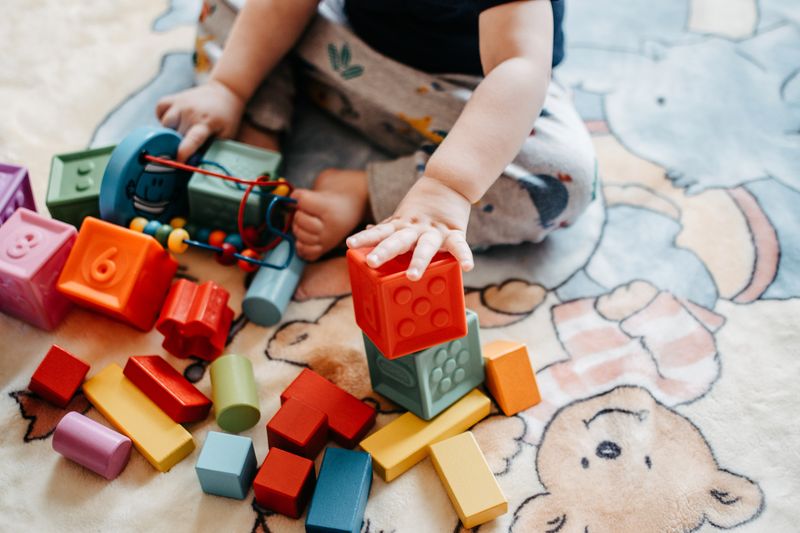
If your toddler is throwing blocks, gently guide them toward acceptable activities: "Blocks are for building. Let's stack them together!" Redirection helps toddlers learn what is appropriate without feeling shamed.
4. Set Clear Expectations and Routines
Consistency makes toddlers feel secure. Establish predictable routines for meals, naps, and play. Use visual schedules or simple reminders to reinforce expectations: "After lunch, it's time for quiet play."
5. Validate Feelings
When your toddler is upset, acknowledge their emotions: "I see you're angry because we have to leave the park." Validation doesn't mean giving in, but shows empathy and helps them process emotions.
6. Model Respectful Behavior
Children learn by example. Speak kindly, show patience, and manage your own frustrations. When you make a mistake, apologize sincerely: "I'm sorry I raised my voice. I was feeling frustrated."
7. Use Time-In vs. Time-Out
Traditional time-outs can feel isolating. Try a "time-in" where you sit with your toddler, offering comfort and helping them calm down: "Let's take deep breaths together." This reinforces connection and teaches self-regulation.
8. Encourage Problem-Solving
When conflicts arise, involve your toddler in finding solutions. Ask, "What can we do so everyone is happy?" This builds critical thinking and cooperation skills.
Real-Life Examples of Positive Discipline
- Tantrum in the Grocery Store: Instead of scolding, kneel to your toddler's level. "You seem upset. Shopping can be hard. Let's pick a snack together."
- Refusing to Share Toys: "You want to keep the truck. It's hard to share sometimes. Let's set a timer so everyone gets a turn."
- Bedtime Resistance: "Would you like to choose a story or your pajamas first?" Giving choices reduces resistance and makes routines smoother.
Common Toddler Behaviors & Positive Responses
| Behavior | Positive Discipline Response |
|---|---|
| Tantrums | Stay calm, validate feelings, offer comfort. Use gentle redirection. |
| Defiance | Offer choices, set clear boundaries, engage in problem-solving. |
| Hitting/Biting | Intervene calmly, explain why it's not okay, model gentle touch. |
| Refusal to Share | Validate desires, use timers, encourage turn-taking. |
Tips for Staying Consistent With Positive Discipline
- Stay Calm: Take deep breaths and remind yourself that your toddler's behavior is not personal.
- Be Patient: Learning takes time. Toddlers need repetition and gentle reminders.
- Use Support Systems: Connect with other parents, join parenting groups, or seek guidance from professionals.
- Reflect on Your Own Reactions: If you slip up, apologize and try again. Growth is a process for everyone.
Frequently Asked Questions
- What is positive discipline for toddlers?
- Positive discipline is an approach that focuses on teaching and guiding toddlers rather than punishing them. It emphasizes empathy, consistent boundaries, and respectful communication to foster cooperation and emotional growth.
- How can I handle tantrums using positive discipline?
- Stay calm, acknowledge your toddler's feelings, and use gentle redirection. Offer choices, validate emotions, and provide comfort. Avoid punitive responses, instead focus on teaching emotional regulation and problem-solving skills.
- Are time-outs effective in positive discipline?
- Time-outs can be effective if used as a calming break rather than a punishment. Consider 'time-in' where you stay with your child and help them process their emotions, ensuring they feel supported rather than isolated.
- How can I encourage cooperation with my toddler?
- Use positive language, offer choices, and involve your toddler in routines. Praise good behavior, set clear expectations, and model cooperation yourself. Toddlers respond well to encouragement and consistent structure.
When to Seek Additional Support
Most toddler behaviors are developmentally normal. However, if you notice persistent aggression, extreme withdrawal, or difficulties that interfere with daily life, consider consulting a pediatrician or child psychologist. They can help assess for underlying issues and provide tailored guidance.
Positive Discipline: A Lifelong Gift
Embracing positive discipline isn’t just about managing toddler tantrums—it's about nurturing emotional resilience, cooperation, and respect for years to come. By focusing on teaching, connecting, and modeling empathy, you’re laying the foundation for your child's future relationships and well-being.
Remember, every parent has tough days. Positive discipline is a journey, not a destination. Celebrate progress, stay gentle with yourself, and keep growing those giggles!
Recommended Resources
- Positive Discipline by Jane Nelsen
- Peaceful Parent, Happy Kids by Dr. Laura Markham
- Zero to Three: Discipline and Limit Setting
If you enjoyed this article, check out more tips and expert advice on toddler parenting at Growing Giggles!