
Positive Discipline Strategies for 3–5 Year Olds: Nurturing Preschoolers with Kindness and Consistency
Parenting preschoolers can be a delightful yet demanding adventure. Between ages 3 and 5, children are exploring independence, testing boundaries, and learning about the world—and their place within it. As a parent, your approach to discipline during this stage can shape your child’s emotional intelligence, cooperation, and self-esteem for years to come. In this article, we’ll dive deep into expert-recommended positive discipline strategies for 3–5 year olds, offering practical tips and real-life examples to help your preschooler thrive.
What is Positive Discipline?
Positive discipline is not about punishment—it’s about teaching, guiding, and nurturing. Instead of focusing on what a child shouldn’t do, positive discipline emphasizes what they should do, using encouragement, empathy, and clear boundaries. This approach helps children build self-control, problem-solving skills, and respect for others.
Why Does Positive Discipline Matter?
- Builds Emotional Intelligence: Children learn to express and manage their feelings.
- Encourages Cooperation: Kids are more likely to follow rules they understand.
- Promotes Self-Esteem: Respectful guidance helps children feel valued.
- Fosters Lifelong Skills: Problem-solving, empathy, and responsibility.
Understanding Preschooler Behavior
Preschoolers are curious, energetic, and often impulsive. Their brains are still developing, especially in areas that control self-regulation and empathy. They crave autonomy but need guidance. Common behaviors include:
- Testing boundaries
- Frequent emotional outbursts (tantrums)
- Difficulty sharing or waiting their turn
- Using words or actions to get attention
Remember: Challenging behaviors are often developmentally normal and not a sign of “bad” behavior.
Core Principles of Positive Discipline
- Connection: Children need to feel loved and understood.
- Clear Expectations: Preschoolers thrive when rules are simple and consistent.
- Encouragement: Focus on effort and improvement, not perfection.
- Empathy: Validate feelings and help label emotions.
- Logical Consequences: Results should relate to the behavior, not arbitrary punishment.
Effective Positive Discipline Strategies for 3–5 Year Olds
1. Set Clear and Consistent Boundaries
Preschoolers need simple, consistent rules. For example:
- “We use gentle hands with friends.”
- “Toys stay on the table.”
Repeat rules often. If a child breaks a rule, calmly remind them, “Remember, toys stay on the table.” Consistency helps children know what to expect and what’s expected of them.
2. Use Positive Language
Instead of saying, “Don’t run!” try, “Please walk indoors.” Positive language tells your child what you want them to do, reducing confusion.
3. Offer Choices
Preschoolers love feeling in control. Offer choices whenever possible, such as:
- “Would you like to wear the red shirt or the blue shirt?”
- “Do you want to tidy up blocks first or books?”
This empowers your child and reduces power struggles.
4. Redirect Attention
If your child is acting out, gently guide them toward a better activity. For example, “I see you’re throwing blocks. Let’s try building a tower together instead.” Redirection helps avoid conflict and teaches appropriate behavior.
5. Practice Empathy and Emotional Coaching
Help your preschooler name their feelings. “I can see you’re frustrated because you can’t have the toy right now.” Encourage them to express emotions safely. Offer comfort and solutions, like deep breaths or a hug.
6. Praise Effort and Positive Behavior
Catch your child being good! “Thank you for waiting for your turn. That was very kind.” Specific praise boosts confidence and reinforces positive actions.
7. Use Logical and Natural Consequences
Consequences should relate directly to the behavior. If a child throws a toy, the logical consequence might be, “If you throw the toy, we need to put it away for now.” Over time, children learn the impact of their actions.
8. Create a Calm-Down Corner
Instead of traditional time-outs, set up a cozy space for your child to calm down. Fill it with pillows, books, and sensory toys. Encourage your child to use it when they need a break, not as a punishment but as a tool for self-regulation.
9. Model Respectful Behavior
Children learn by watching adults. Use polite words, listen actively, and show patience. If you make a mistake, apologize. Modeling respect teaches your child how to treat others.
10. Maintain Routines
Predictable routines help preschoolers feel safe and reduce behavioral challenges. Bedtime, meals, and playtime should happen at similar times each day. Use visual schedules if helpful.
Handling Common Preschool Discipline Challenges
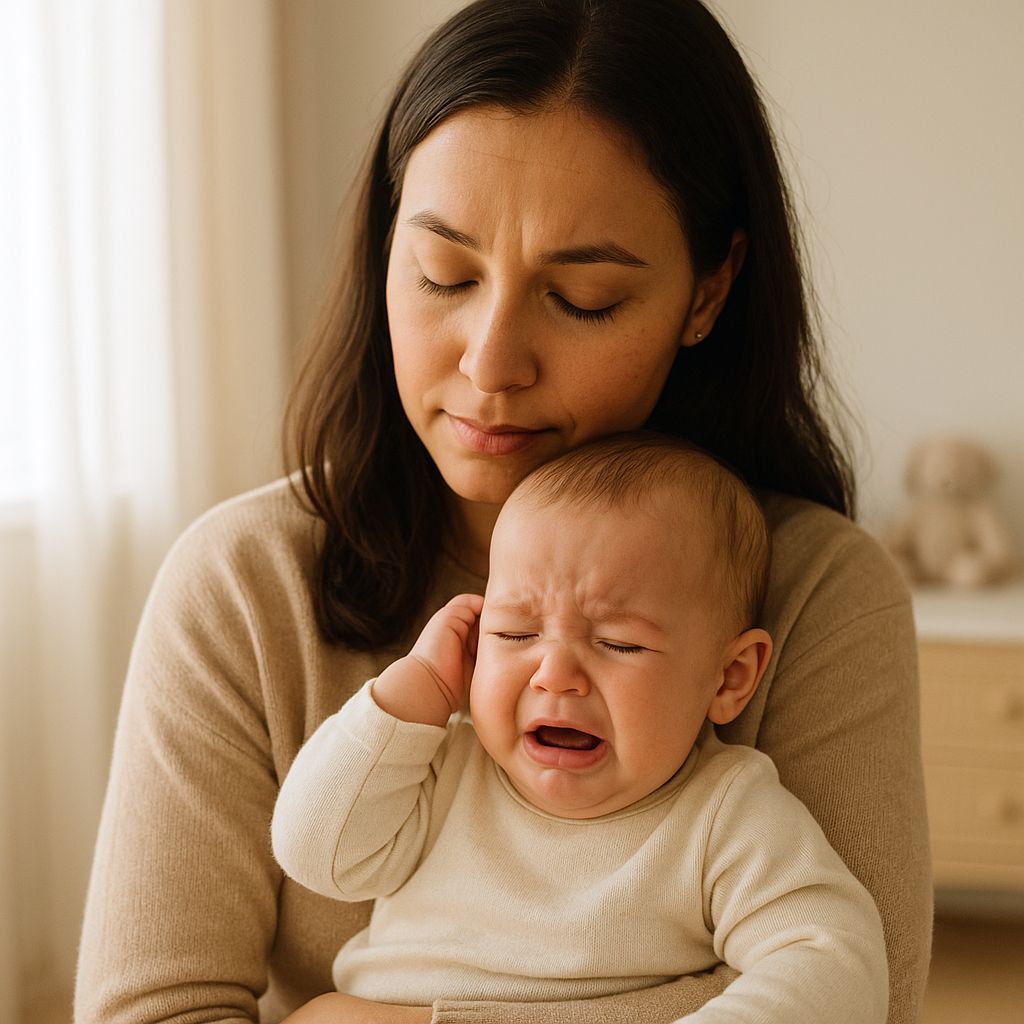
Tackling Tantrums
Tantrums are a normal part of preschool development. When your child melts down:
- Stay calm and avoid raising your voice.
- Acknowledge their feelings: “You’re upset because you wanted more juice.”
- Offer comfort and wait for them to calm down.
- Afterward, discuss what happened and brainstorm better ways to handle big emotions.
Dealing with Defiance
Preschoolers may say “no” to assert independence. Respond calmly, restate your expectation, and offer choices. “I see you don’t want to put your shoes on. Would you like to do it now or after we sing a song together?”
Resolving Sibling Rivalry
If your preschooler is fighting with a sibling, intervene gently:
- Separate them and let each child share their feelings.
- Encourage problem-solving (“What can we do so everyone gets a turn?”).
- Praise cooperation and sharing.
Self-Care for Parents: Why It Matters
Positive discipline requires patience and consistency—which can be tough when you’re tired or stressed. Make time for self-care: take breaks, ask for help, and connect with other parents. Remember, a calm caregiver is the foundation of effective discipline.
Real-Life Examples: Positive Discipline in Action
- Scenario: Your child hits a friend during a playdate.
Response: Stay calm. “We use gentle hands. Hitting hurts. Let’s check if your friend is okay.” Help your child apologize and discuss better ways to handle frustration. - Scenario: Your preschooler refuses to clean up toys.
Response: Offer choices. “Would you like to clean up now or after we read a story? If toys aren’t cleaned up, we won’t have them to play with tomorrow.” Encourage teamwork. - Scenario: Tantrum in the grocery store.
Response: Validate feelings: “You’re upset because you can’t have the candy.” Stay calm, offer a hug, and move on. Afterward, talk about the experience and plan for next time.
When to Seek Extra Help
Most challenging behaviors are normal, but if your child’s behavior is disruptive, aggressive, or doesn’t improve with positive discipline, consider talking to your pediatrician or a child psychologist. Sometimes, underlying issues need professional support.
Summary: Building a Foundation for Lifelong Respect
Positive discipline isn’t about perfection—it’s about progress. By offering love, guidance, and consistent boundaries, you help your preschooler develop respect, empathy, and self-control. The journey may have bumps, but your efforts will pay off in lifelong skills and stronger family bonds.
Key Takeaways
- Positive discipline nurtures emotional intelligence and cooperation in preschoolers.
- Consistency and clear boundaries are essential for effective behavior management.
- Empathy, communication, and encouragement foster respectful relationships.
- Redirection and logical consequences teach valuable lessons without harshness.
- Parent self-care and patience are key to maintaining positive discipline.
Frequently Asked Questions
- What is positive discipline for preschoolers?
- Positive discipline uses encouragement, clear boundaries, and empathy to guide preschoolers toward appropriate behavior. It avoids punishment and focuses on teaching skills and modeling respect.
- How can I handle tantrums with positive discipline?
- Stay calm, acknowledge your child’s feelings, and offer choices or redirection. Afterward, talk about emotions and what can be done next time, avoiding shaming or punitive measures.
- Are time-outs part of positive discipline?
- Time-outs can be reframed as 'calm-down corners' or 'quiet time', intended as a break to process emotions, not as punishment. The goal is to help the child regain control, not to shame.
- What if my child keeps repeating unwanted behaviors?
- Consistency is key. Keep calmly reinforcing boundaries, use logical consequences, and discuss feelings. Sometimes, behaviors are developmental and need patience, guidance, and positive modeling.
Further Resources
- Positive Discipline Foundation
- CDC: Essentials for Parenting Discipline
- Zero to Three: Parenting Resources
Looking for more expert advice? Browse our parenting tips section or join the conversation in our Growing Giggles community forum!