
Outdoor Play Ideas for Physical Growth: Boost Your Toddler’s Development
If you’re a parent of a toddler, you know they’re bundles of energy, curiosity, and wonder. But did you know that outdoor play is one of the best ways to support their physical growth? Whether your little one is running, jumping, or exploring nature, active outdoor play helps toddlers build strong muscles, develop coordination, and gain confidence—all while having a blast. In this guide from Growing Giggles, we’ll share creative outdoor play ideas, expert tips, and safety advice to help your toddler thrive.
Why Outdoor Play Matters for Toddler Physical Growth
Outdoor play isn’t just about burning off energy—it’s essential for healthy development. Here’s why:
- Develops Gross Motor Skills: Activities like climbing, running, and jumping strengthen major muscle groups and improve balance.
- Encourages Active Habits: Regular movement sets the foundation for lifelong health and fitness.
- Boosts Confidence: Trying new physical challenges helps toddlers gain self-assurance and resilience.
- Supports Social Skills: Group games teach cooperation, sharing, and communication.
- Enhances Creativity: Nature-based and imaginative play spark curiosity and problem-solving.
Let’s dive into fun, practical outdoor play ideas that nurture your toddler’s physical growth!
Top Outdoor Play Ideas for Physical Growth
1. Obstacle Courses
Set up a simple obstacle course in your yard, park, or playground. Use cones, pillows, ropes, or even sticks to create stations for jumping, crawling, balancing, and running. Obstacle courses encourage gross motor skills and challenge your child to try new movements.
- Tips: Keep courses age-appropriate and change them up for variety. Celebrate each completion!
- Skills Developed: Coordination, balance, agility, muscle strength.
2. Nature Walks & Treasure Hunts
Take your toddler on a nature walk—through a park, garden, or neighborhood trail. Turn it into a treasure hunt by searching for leaves, rocks, flowers, or bugs. Walking helps build endurance and observing nature encourages curiosity.
- Tips: Dress appropriately, bring water, and let your child lead the way.
- Skills Developed: Walking, observation, balance, sensory awareness.
3. Playground Play
Playgrounds are a toddler’s paradise! Swings, slides, climbing frames, and merry-go-rounds offer endless opportunities for movement.
- Tips: Supervise closely, check equipment for safety, and encourage your child to try different activities.
- Skills Developed: Climbing, swinging, sliding, jumping, risk assessment.
4. Ball Games
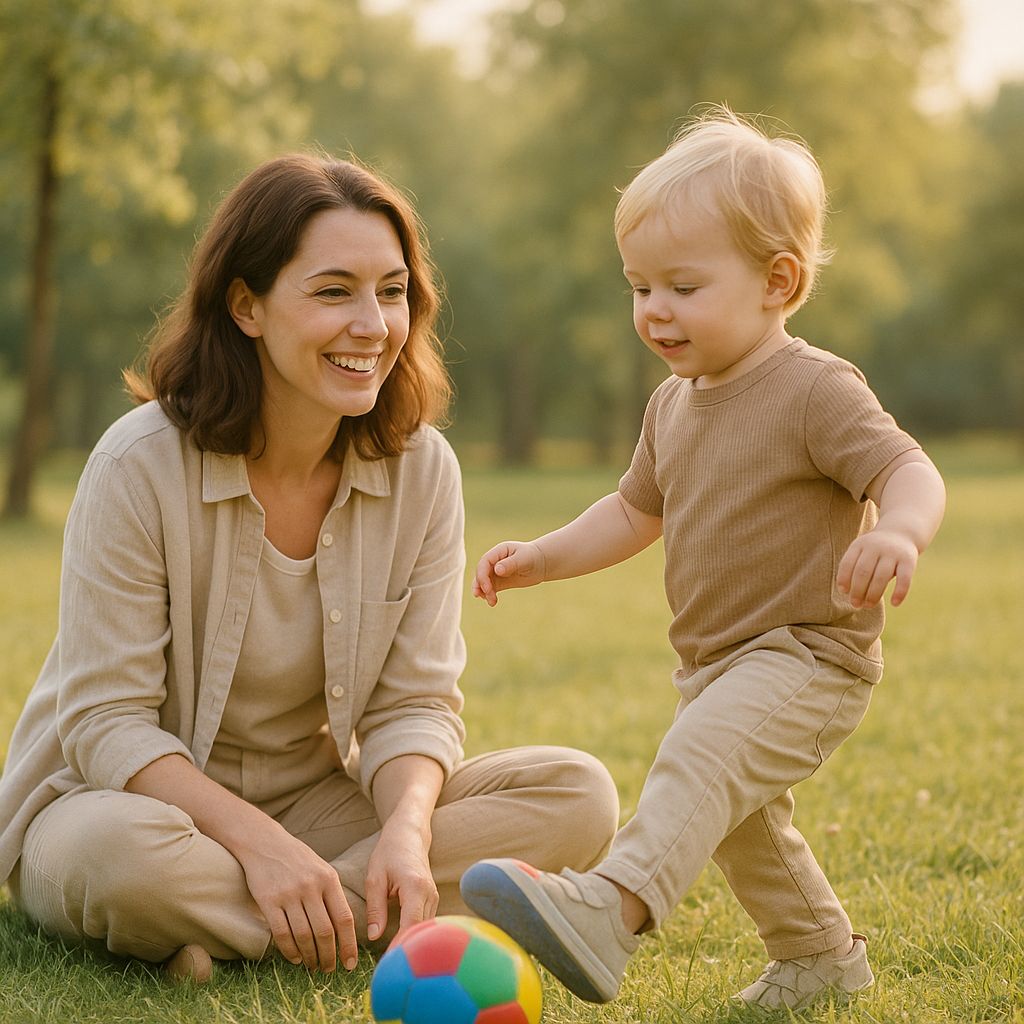
From rolling a ball to simple games of catch, ball play is fantastic for developing hand-eye coordination, timing, and muscle control.
- Tips: Use soft, lightweight balls and play on grass or soft surfaces.
- Skills Developed: Throwing, catching, kicking, coordination.
5. Water Play
On warm days, water play is exhilarating and refreshing. Splashing in a kiddie pool, running through sprinklers, or filling buckets builds muscle strength and coordination.
- Tips: Supervise constantly, use sun protection, and never leave children unattended.
- Skills Developed: Pouring, splashing, running, sensory exploration.
6. Biking & Scooting
Tricycles, scooters, or balance bikes are great for toddlers ready to practice more advanced movement. They help develop balance and leg strength.
- Tips: Use helmets, start on flat surfaces, and praise progress.
- Skills Developed: Balance, coordination, muscle strength, spatial awareness.
7. Imaginative Outdoor Games
Pretend play outdoors—like pretending to be animals, superheroes, or explorers—encourages movement in a fun, creative way. Try games like “Simon Says” or “Follow the Leader.”
- Tips: Join in and let your child lead the story!
- Skills Developed: Movement, creativity, listening, social skills.
8. Gardening Together
Digging, planting, and watering plants is not only educational but also physically engaging. Even small tasks like carrying soil or pulling weeds build strength and coordination.
- Tips: Give your toddler their own tools and let them choose plants.
- Skills Developed: Fine and gross motor skills, responsibility, sensory exploration.
9. Dance and Movement
Bring music outside and have a dance party! Dancing helps with rhythm, balance, and flexibility. Use scarves or ribbons for extra fun.
- Tips: Play upbeat tunes and encourage silly moves.
- Skills Developed: Flexibility, rhythm, balance, confidence.
10. Running & Chasing Games
Simple games like tag, races, or “red light, green light” are classics for a reason. They’re exciting and build speed, agility, and coordination.
- Tips: Set clear boundaries and play on soft surfaces.
- Skills Developed: Running, speed, spatial awareness, social interaction.
Expert Tips for Encouraging Outdoor Play
- Make it Routine: Aim for at least one hour of active outdoor play every day.
- Lead by Example: Join your child in play—your enthusiasm is contagious!
- Embrace All Weather: Dress for the season and don’t let mild rain or cold stop you (just ensure safety and comfort).
- Keep It Simple: You don’t need expensive equipment; everyday objects and nature offer endless opportunities.
- Rotate Activities: Mix up games and settings to keep play interesting and challenging.
Safety First: Outdoor Play Guidelines
- Supervise Always: Keep a watchful eye, especially around water, playgrounds, and bikes.
- Check the Play Area: Remove hazards like sharp objects, uneven surfaces, or toxic plants.
- Use Sun Protection: Apply sunscreen, use hats, and play in shaded areas when possible.
- Dress Appropriately: Choose comfy, weather-appropriate clothes and sturdy shoes.
- Teach Basic Safety: Simple rules like “stay within sight,” “don’t run near roads,” and “take turns” help prevent accidents.
How Outdoor Play Supports Development Beyond Physical Growth
While the main goal of outdoor play is physical development, it also offers benefits for:
- Emotional Health: Outdoor play reduces stress, boosts mood, and fosters independence.
- Social Skills: Playing with others teaches sharing, cooperation, and empathy.
- Cognitive Growth: Exploring nature and solving play challenges enhances thinking and learning.
Common Questions About Outdoor Play for Toddlers
Why is outdoor play important for toddler physical growth?
Outdoor play encourages movement, coordination, and muscle development. It allows toddlers to practice gross motor skills, boosts their confidence, and supports overall health.
How can I make outdoor play safe for my toddler?
Always supervise your child, ensure play areas are safe and age-appropriate, use sunscreen, and teach basic safety rules. Check equipment and surfaces for hazards before play.
What are some easy outdoor activities for toddlers?
Try simple games like tag, hopscotch, ball play, nature walks, or homemade obstacle courses. These activities require minimal equipment and encourage active movement.
How often should toddlers play outdoors?
Experts recommend toddlers get at least 1 hour of active play every day. Outdoor play is ideal for providing space and variety for movement.
Can outdoor play help with social skills?
Yes! Outdoor play often involves group activities, sharing, and cooperation. It helps toddlers learn to interact with peers and develop important social skills.
Outdoor Play Checklist for Parents
- Choose a safe, age-appropriate play area.
- Gather simple play props (balls, cones, buckets, etc.).
- Dress your child for the weather and activity.
- Apply sunscreen and bring water.
- Supervise and join in the fun!
- Encourage your toddler to try new movements.
- Turn play into a daily routine.
Final Thoughts: Growing Strong Through Outdoor Play
Outdoor play is more than just fun—it’s the foundation for healthy growth, confidence, and lifelong active habits. With a little creativity, you can turn any outdoor space into a playground for learning and development. Try these ideas, mix them up, and enjoy every giggle, jump, and discovery along the way!
Share Your Own Play Ideas!
Do you have favorite outdoor games or activities with your toddler? Share your tips and stories in the comments below! Let’s inspire more families to embrace outdoor play for physical growth and joyful childhood memories.