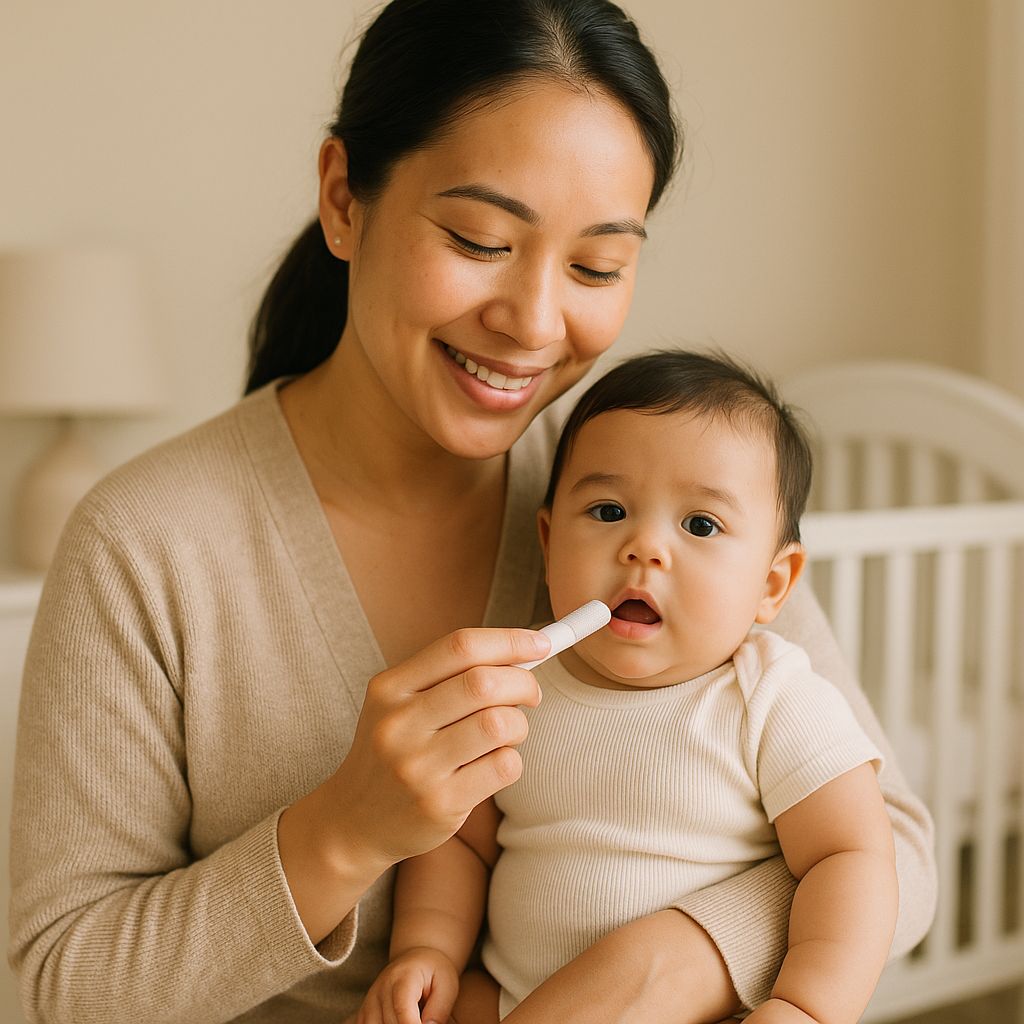

Oral Care for Babies Before Teeth Erupt: Expert Guidance for Healthy Smiles
Many parents believe that oral hygiene begins only after their baby's first tooth appears. However, experts emphasize that oral care should start much earlier—right from birth. By fostering good oral hygiene habits before teeth erupt, you lay the groundwork for your child's lifelong dental health. In this comprehensive guide, we explore why oral care for babies before teeth erupt matters, how to implement effective routines, and what common mistakes to avoid.
Why Early Oral Care Is Crucial
Even before teeth emerge, your baby’s mouth is home to delicate tissues, including gums and the inner cheeks. These tissues are susceptible to bacteria and residue from milk, formula, and foods, which can lead to oral health issues such as gum inflammation, oral thrush, and even impact the eruption of healthy teeth.
- Bacterial Build-up: Without regular cleaning, bacteria can accumulate, causing infection or irritation.
- Habit Formation: Early oral care routines help your baby get used to mouth cleaning, making brushing and flossing easier as they grow.
- Preventing Oral Issues: Proper hygiene reduces the risk of oral thrush, cavities, and gum disease once teeth arrive.
Understanding Infant Oral Anatomy
Infant gums are soft and sensitive. The lack of teeth does not mean the mouth is free from bacteria. Saliva, milk, and formula can leave residue, promoting bacterial growth. Additionally, some babies may develop oral thrush, a fungal infection that appears as white patches on the gums or tongue, particularly if oral hygiene is neglected.
Milestone Timeline for Oral Care
- Newborn to 6 months: No teeth, but regular gum cleaning is essential.
- 6 to 12 months: First teeth begin to erupt; oral care routines should transition to include tooth brushing.
- 12 months and beyond: Continue regular oral hygiene, adapt routines as more teeth appear.
Step-by-Step Guide to Cleaning Your Baby’s Gums
Materials Needed
- Soft, clean washcloth or gauze
- Silicone finger brush (optional)
- Clean water (no toothpaste required yet)
How to Clean Your Baby’s Gums
- Wash Your Hands: Always start by washing your hands thoroughly.
- Prepare the Cloth: Dampen a soft washcloth or piece of gauze with clean water.
- Position Your Baby: Hold your baby securely in your lap or on a changing table.
- Gently Clean: Wrap the cloth around your index finger and gently rub your baby’s gums, cheeks, and tongue. Make sure to reach all areas but avoid excessive pressure.
- Use a Silicone Finger Brush: If preferred, use a silicone finger brush designed for infants. Ensure it is sterilized and clean.
This process should take only a few minutes and can be incorporated into your daily routine, ideally after feedings and before bedtime.
Frequency of Oral Cleaning
Experts recommend cleaning your baby’s mouth at least once daily, and ideally after each feeding. Nighttime cleaning is particularly important, as bacteria can multiply during sleep.
Common Mistakes in Infant Oral Care
- Waiting for Teeth: Delaying oral care until teeth appear increases the risk of oral health issues.
- Using Toothpaste Too Early: Toothpaste is not needed before teeth erupt and may irritate sensitive gums.
- Neglecting Feeding Residue: Milk or formula can leave sugars and residue; cleaning after feedings prevents buildup.
- Sharing Utensils: Avoid sharing spoons or cleaning pacifiers with your mouth, as this can transfer bacteria.
Preventing Oral Health Issues
Oral Thrush
Oral thrush is a fungal infection that appears as white patches on the tongue or gums. It is common in infants, especially those exposed to antibiotics or with poor oral hygiene.
- Clean gums regularly to prevent thrush.
- If you notice white patches, consult your pediatrician.
Gum Inflammation
Redness and swelling can indicate irritation or infection. Gentle cleaning and avoiding harsh chemicals can minimize risk.
Early Childhood Caries (ECC)
Though ECC typically affects teeth, bacteria responsible for caries can colonize the mouth before teeth erupt. Early cleaning reduces risk.
Nutrition and Oral Health
Feeding practices impact oral health. Breast milk is naturally antibacterial, but formula and other foods can leave sugars behind. Avoid giving sugary drinks or foods to infants. Water is the best beverage once your baby is ready for it.
Pacifiers and Bottles
- Never dip pacifiers in honey or sugar, as this increases risk of oral issues.
- Do not allow your baby to sleep with a bottle, as milk residue can breed bacteria.
Building Healthy Oral Habits
Establishing oral care routines early makes brushing and dental checkups easier as your child grows. Babies who are accustomed to mouth cleaning are less likely to resist tooth brushing.
- Make oral care a positive experience—sing songs or gently talk to your baby during cleaning.
- Involve other caregivers to ensure consistency.
- Transition to a baby toothbrush once the first tooth erupts, using a rice grain-sized amount of fluoride toothpaste.
When to Visit the Dentist
The American Academy of Pediatric Dentistry recommends a first dental visit by the time your child turns one or within six months of their first tooth erupting. However, if you notice any unusual symptoms, such as persistent redness, white patches, or swelling, seek professional advice sooner.
- Regular dental checkups monitor oral development and catch issues early.
- Ask your dentist about oral hygiene techniques and products appropriate for your infant.
Frequently Asked Questions
- Why is oral care important for babies before teeth erupt?
- Early oral care helps prevent bacteria buildup, inflammation, and oral infections, setting the foundation for healthy teeth and gums as your baby grows.
- How should I clean my baby’s gums?
- Use a soft, damp cloth or a silicone finger brush to gently wipe your baby’s gums after feedings, ensuring you remove any residue and bacteria.
- Can I use toothpaste for my infant before teeth appear?
- No, toothpaste is not necessary before teeth erupt. Simply use water and a soft cloth or brush to clean the gums.
- How often should I clean my baby’s mouth?
- Clean your baby’s gums at least once daily, preferably after their last feeding at night, and after each feeding if possible.
- What signs of oral health problems should I watch for?
- Look for redness, swelling, unusual white patches, or a persistent odor. If any of these symptoms occur, consult your pediatrician or dentist.
Summary and Action Steps
Oral care for babies before teeth erupt is a crucial step in fostering lifelong dental health. By gently cleaning your infant’s gums, avoiding sugary foods and drinks, and establishing healthy habits early, you ensure your child’s smile starts off strong.
- Start oral care from birth using a soft, damp cloth.
- Clean your baby’s gums daily, ideally after feedings.
- Avoid sugary foods, drinks, and practices.
- Monitor for signs of oral issues and consult your dentist as needed.
- Transition to brushing with a baby toothbrush once the first tooth appears.
With these expert tips, you can confidently protect your infant’s oral health and lay the foundation for a healthy, happy smile.