
Newborn Skin Peeling: Is It Normal? Home Care Tips for Parents
Bringing home a newborn is a joyful and sometimes nerve-wracking experience, especially when you notice changes in your baby's delicate skin. One of the most common concerns new parents face is newborn skin peeling. Is it normal for your baby’s skin to peel? What should you do about it at home? This comprehensive guide explains why newborn skin peeling happens, when to seek help, and the best home care tips for keeping your baby's skin healthy and soft.
Understanding Newborn Skin Peeling
Newborn skin is uniquely sensitive and undergoes remarkable changes in the first days and weeks of life. During pregnancy, a baby’s skin is protected by a waxy coating called vernix caseosa. After birth, as your baby adjusts to the dry outside environment, the vernix is gradually absorbed or washed away. This transition often causes the outer layer of skin to peel off—a process that is generally normal and temporary.
Why Does Newborn Skin Peel?
- Shedding the Old Layer: In the womb, your baby’s skin is constantly bathed in amniotic fluid. After birth, the top layer of skin dries out and peels as new, more resilient skin forms underneath.
- Full-Term vs. Preterm Babies: Peeling is more noticeable in full-term babies because they have more time to develop thicker skin and more vernix. Preterm babies may have thinner skin and less peeling.
- Environmental Factors: Dry air, frequent bathing, and low humidity can increase the degree of peeling.
What Does Normal Peeling Look Like?
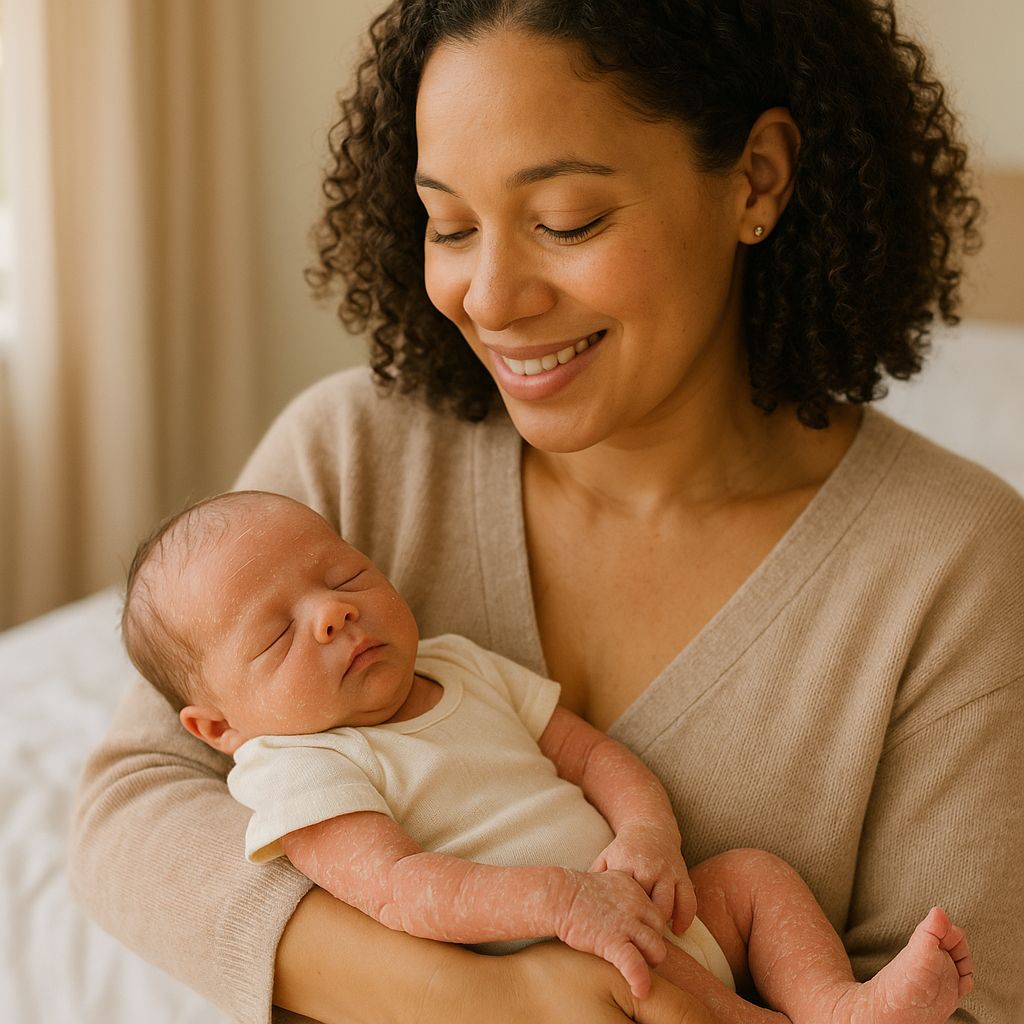
Normal newborn skin peeling is usually seen on the hands, feet, ankles, and sometimes the torso. The skin may flake, shed in small patches, or appear slightly dry. There should not be any signs of pain, redness, swelling, or open sores.
When Is Newborn Skin Peeling Not Normal?
While most cases of newborn skin peeling are harmless, certain symptoms can indicate an underlying issue that needs medical attention:
- Redness or swelling around the peeling area
- Blisters or oozing sores
- Persistent or spreading rashes
- Signs of discomfort (excessive crying, irritability)
- Fever or poor feeding
If you notice any of these symptoms, or if the peeling doesn't improve after a few weeks, consult your pediatrician promptly.
Home Care Tips for Newborn Skin Peeling
Most newborn skin peeling doesn't require special treatment, but gentle home care can make your baby more comfortable and prevent further dryness. Here are expert-recommended tips:
1. Bathe Sparingly and Gently
- Limit Baths: Bathe your newborn two to three times a week for the first month. Frequent bathing can strip natural oils and worsen dryness.
- Use Lukewarm Water: Hot water can irritate sensitive skin. Keep bath time short (5–10 minutes) and use lukewarm water.
- Choose Mild Cleansers: Opt for a fragrance-free, hypoallergenic baby wash or just plain water. Avoid harsh soaps and bubble baths.
2. Pat, Don’t Rub
- After bathing, gently pat your baby dry with a soft cotton towel. Rubbing can further irritate peeling areas.
3. Moisturize Wisely
- Apply Moisturizer: Right after drying, apply a gentle, fragrance-free baby lotion, cream, or oil to lock in moisture.
- Patch Test First: Try a small amount on one area before broader use to check for any reaction.
- Natural Oils: Coconut oil, olive oil, or pure petroleum jelly can be safe options if your pediatrician approves.
4. Avoid Overdressing
- Dress your baby in soft, breathable cotton clothes. Avoid wool or synthetic fabrics that can irritate the skin.
- Keep your baby comfortably warm, but not overheated.
5. Maintain a Comfortable Environment
- Use a humidifier in your baby’s room if the air is dry, especially during winter or in air-conditioned settings.
- Keep the room temperature moderate to avoid excessive sweating or dryness.
6. Protect From Irritants
- Choose fragrance-free, dye-free laundry detergents for baby clothes and bedding.
- Avoid using adult lotions, perfumes, or harsh cleaning agents on or near your baby.
What Not to Do When Your Newborn’s Skin Peels
- Do Not Pick or Peel: Never try to remove peeling skin manually. Allow it to shed naturally to prevent injury or infection.
- No Adult Products: Steer clear of adult moisturizers, medicated creams, or products with alcohol or fragrances.
- No Over-Bathing: More baths do not help and may worsen dryness.
Common Myths About Newborn Skin Peeling
- Myth: Peeling means my baby has an allergy or eczema.
Fact: Most newborn skin peeling is unrelated to allergies or eczema and is a normal adjustment to life outside the womb. - Myth: Oiling the baby several times a day will cure peeling.
Fact: Excessive oiling can clog pores and is not necessary. Gentle hydration is sufficient. - Myth: Peeling skin is dirty skin.
Fact: Peeling is a natural process and not related to cleanliness.
When to See a Doctor
While peeling is usually benign, seek medical advice if you notice:
- Blisters, pus, or yellowish crusting
- Large areas of peeling associated with redness or swelling
- Any open sores or wounds
- Your baby seems unwell, has a fever, or is not feeding properly
Your pediatrician can rule out rare conditions such as infections, eczema, or genetic skin disorders that may require special care.
Special Considerations: Premature and High-Risk Babies
Premature babies and those with underlying health issues may have even more sensitive skin. Follow your pediatrician’s specific guidance for bathing, moisturizing, and clothing for these infants. Always ask before applying any new product to your baby's skin.
Summary Table: Newborn Skin Peeling Home Care
| Tip | Why It Helps |
|---|---|
| Limit baths to 2–3 times a week | Prevents loss of natural oils |
| Use mild, fragrance-free cleansers | Reduces risk of irritation |
| Pat skin dry, do not rub | Protects delicate skin layers |
| Apply gentle moisturizer after bathing | Locks in hydration |
| Dress in soft, breathable fabrics | Prevents friction and sweating |
| Maintain humidity in baby's room | Prevents excessive dryness |
Key Takeaways for Parents
- Newborn skin peeling is almost always normal and self-resolving.
- Gentle home care is best: limit baths, use mild products, and moisturize.
- Watch for signs of infection or persistent irritation and consult your doctor if concerned.
- Every baby’s skin is unique—observe and adapt as needed.
Conclusion
Peeling skin in newborns is a natural part of their adjustment to the outside world. With the right home care and a little patience, your baby’s skin will soon become soft, smooth, and healthy. Remember, if you ever have doubts or notice unusual symptoms, your pediatrician is your best resource for guidance and reassurance.
Frequently Asked Questions
- Is skin peeling normal in newborns?
- Yes, mild skin peeling is very common and usually normal in healthy newborns. It typically occurs in the first few weeks as your baby sheds the outer layer of skin after birth.
- How long does newborn skin peeling last?
- Most newborns experience skin peeling for about one to three weeks after birth. The process resolves on its own without special treatment.
- When should I worry about my baby's peeling skin?
- If the peeling skin is accompanied by redness, blisters, oozing, persistent rashes, or your baby seems uncomfortable, consult your pediatrician as it may signal an underlying condition.
- What can I do at home to care for my baby's peeling skin?
- Keep baths short with lukewarm water, avoid harsh soaps, gently pat dry after bathing, and moisturize with a fragrance-free, hypoallergenic baby lotion or oil.
- Can I use baby oil or lotion on my newborn’s peeling skin?
- Yes, using a gentle, fragrance-free moisturizer or baby oil can help soothe dry, peeling skin. Always do a patch test and consult your pediatrician if unsure.