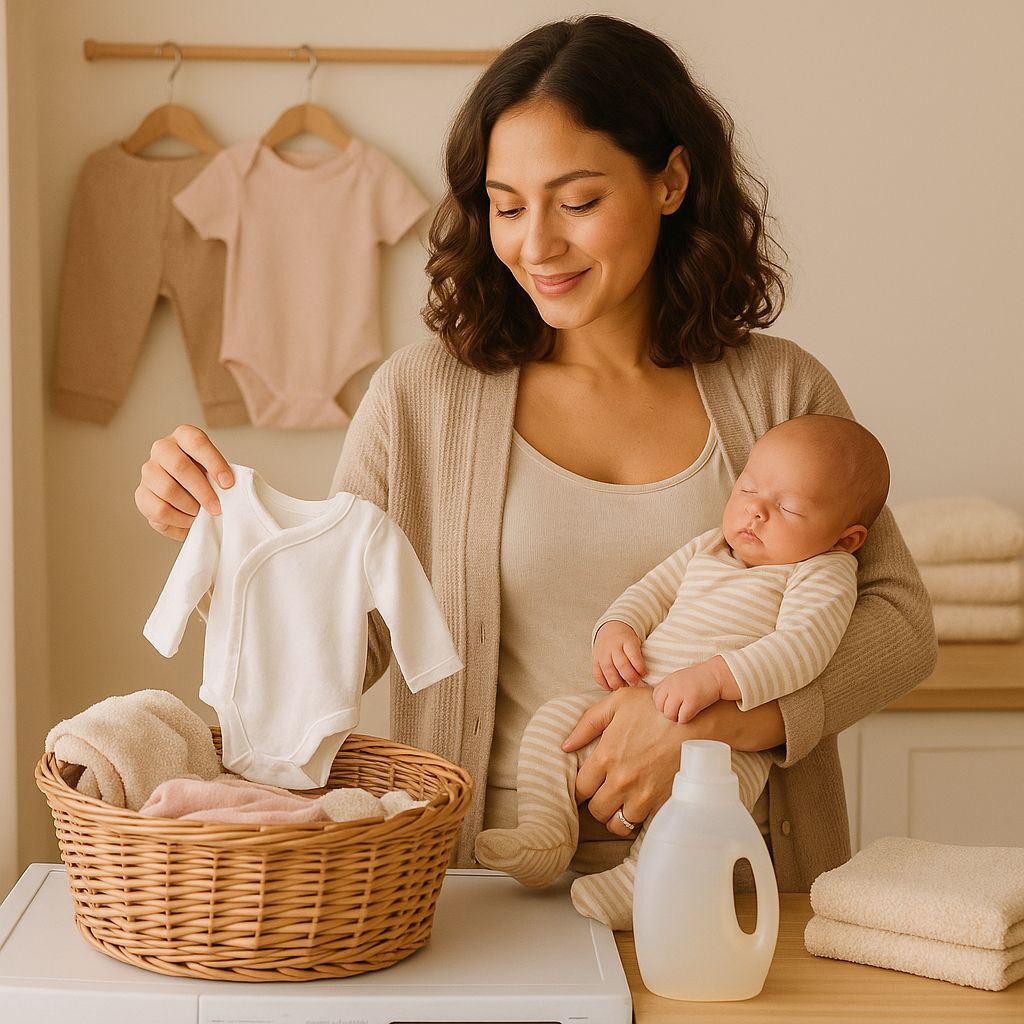

Newborn Laundry Guide: Clothes, Detergents, and Hygiene
Maintaining proper hygiene is paramount in the care of newborns, whose delicate skin and developing immune systems demand vigilance. Laundry practices play a central role in reducing infection risks, preventing skin irritation, and ensuring a safe environment for the newest family member. This clinical, research-based guide provides comprehensive insights into newborn laundry—covering garment selection, detergent safety, laundering protocols, and hygiene best practices.
1. Understanding Newborn Skin and Hygiene Needs
Newborn skin is thinner, more permeable, and susceptible to irritation from environmental factors, including laundry residues. According to the American Academy of Pediatrics (AAP), newborns have immature skin barrier functions, increasing their vulnerability to allergens, bacteria, and chemicals. Laundry hygiene directly impacts the risk of diaper dermatitis, atopic eczema, and other skin conditions. Ensuring that baby clothes are free from irritants is a foundational step in newborn care.
2. Choosing the Right Baby Clothes
- Opt for 100% cotton or organic textiles—these are breathable, hypoallergenic, and gentle on skin.
- Avoid synthetic fibers (polyester, nylon) that may trap moisture and contribute to irritation.
- Look for garments with minimal seams, tags, and decorations to reduce friction.
- Prioritize easy-to-remove clothing (snap buttons, envelope necklines) for frequent changes.
- Wash all new clothes before first use to remove manufacturing residues and dust.
Clinical studies show that pre-washing garments reduces the risk of contact dermatitis and allergic reactions. Even clothes labeled as "baby safe" may carry finishing agents or contaminants.
3. Selecting Safe Detergents for Newborn Laundry
The choice of detergent is critical. Research published in Pediatric Dermatology highlights that residues from harsh detergents can provoke eczema and allergic responses. When selecting a detergent:
- Choose hypoallergenic detergents free from fragrances, dyes, and optical brighteners.
- Read labels for terms like "free & clear," "dermatologist-tested," and "pediatrician-recommended."
- Avoid fabric softeners and dryer sheets, which often contain perfumes and chemicals.
- Liquid detergents tend to leave fewer residues compared to powder varieties.
- For newborns with a history of atopic dermatitis or allergies, consult your pediatrician before selecting a detergent.
Ingredients to Avoid
- Phthalates and parabens
- Sodium lauryl sulfate (SLS)
- Artificial fragrances and colorants
- Bleach and optical brighteners
The Environmental Working Group (EWG) provides safety ratings for popular detergents and can be a reference for parents seeking evidence-based choices.
4. Washing Protocols for Baby Clothes
Proper laundering eliminates bacteria, allergens, and chemical residues. Follow these clinical best practices:
- Separate Baby Laundry: Wash newborn clothes apart from adult laundry to prevent cross-contamination.
- Pre-Treat Stains: Use a gentle, baby-safe stain remover or soak in cold water. Avoid harsh chemicals.
- Optimal Water Temperature: Wash in warm water (30–40°C/86–104°F). Hot water (>60°C/140°F) is only necessary for severe contamination.
- Double Rinse: Run an extra rinse cycle to ensure removal of detergent residues.
- Gentle Cycle: Select a mild washing cycle to preserve fabric integrity.
- Dry Thoroughly: Air dry in sunlight when possible (UV rays help kill bacteria), or use a dryer on low heat.
- Ironing: For premature or immunocompromised newborns, ironing can further reduce microbial presence.
Special Considerations
- If using cloth diapers, wash separately with a dedicated detergent and sanitize regularly.
- For babies with skin conditions, consult your pediatrician for tailored laundry advice.
5. Storage and Handling of Clean Laundry
Even after washing, improper storage can reintroduce pathogens. Adhere to these guidelines:
- Store baby clothes in a clean, dry, and dust-free environment.
- Keep garments away from pets, household chemicals, and smokers.
- Wash hands before handling clean laundry, especially when dressing the newborn.
- Change and wash clothes promptly after episodes of spit-up, stool, or urine exposure.
6. Frequency of Newborn Laundry
Newborns often soil clothes with spit-up, urine, and stool. Clinical guidelines recommend washing after every use. For items like bibs, burp cloths, and swaddles, wash daily to prevent build-up of bacteria and allergens. Bedding (sheets, blankets) should be washed at least weekly, or more frequently if soiled.
7. Managing Stains and Odors
Common stains include milk, formula, stool, and urine. Avoid bleach and harsh stain removers. Instead:
- Soak stained clothes in cold water immediately.
- Use a baby-safe enzymatic detergent for protein-based stains (milk, formula).
- Wash promptly to prevent stains from setting.
- For persistent odors, add half a cup of white vinegar to the rinse cycle (check manufacturer’s care label).
Always check that stain-removing products are certified for use on baby textiles.
8. Laundry Hygiene in Special Situations
For newborns with allergies, eczema, or premature birth, heightened laundry hygiene is crucial:
- Consult with a pediatrician or dermatologist for detergent recommendations.
- Consider sterilizing clothes using high-temperature washes or steam for immunocompromised babies.
- Use unscented, medical-grade detergents when advised.
9. Environmental and Safety Considerations
Eco-friendly laundry practices benefit both the environment and newborn health:
- Choose biodegradable, plant-based detergents free from harmful chemicals.
- Use only necessary amounts of detergent; overuse increases residue and environmental impact.
- Opt for cold water washes when possible to conserve energy.
- Recycle or donate outgrown clothes to reduce textile waste.
10. Common Laundry Mistakes to Avoid
- Using adult detergents with fragrances or dyes.
- Skipping pre-washing of new clothes.
- Mixing baby laundry with household items (towels, cleaning rags).
- Neglecting double rinsing after washing.
- Using fabric softeners or dryer sheets.
Awareness of these pitfalls can prevent skin reactions and maintain optimal hygiene.
11. Research Insights and Clinical Guidelines
Multiple studies underscore the importance of gentle laundering for newborns. The British Association of Dermatologists and AAP recommend hypoallergenic detergents and double rinsing. A study in Dermatitis found that laundering practices directly correlate with rates of infant eczema and allergic sensitization. Ongoing research advocates for further reduction of chemical exposure in newborn environments.
12. Summary and Practical Checklist
- Pre-wash all baby clothes before first wear.
- Use hypoallergenic, fragrance-free detergents.
- Wash newborn clothes separately from adult laundry.
- Double rinse and air dry when possible.
- Store clean laundry in a safe, dry place.
- Consult professionals for special skin conditions or allergies.
Maintaining newborn laundry hygiene is an ongoing process that requires attention to detail and adaptation to your baby’s unique needs. Evidence-based practices provide a foundation for safety and comfort in early life.
References
- American Academy of Pediatrics. "Laundry and Baby Care."
- Pediatric Dermatology, 2022. "Detergent Residues and Infant Skin Health."
- Environmental Working Group. "Detergent Safety Ratings."
- British Association of Dermatologists. "Guidelines for Infant Laundry."
- Dermatitis, 2021. "Laundering Practices and Atopic Eczema in Infants."