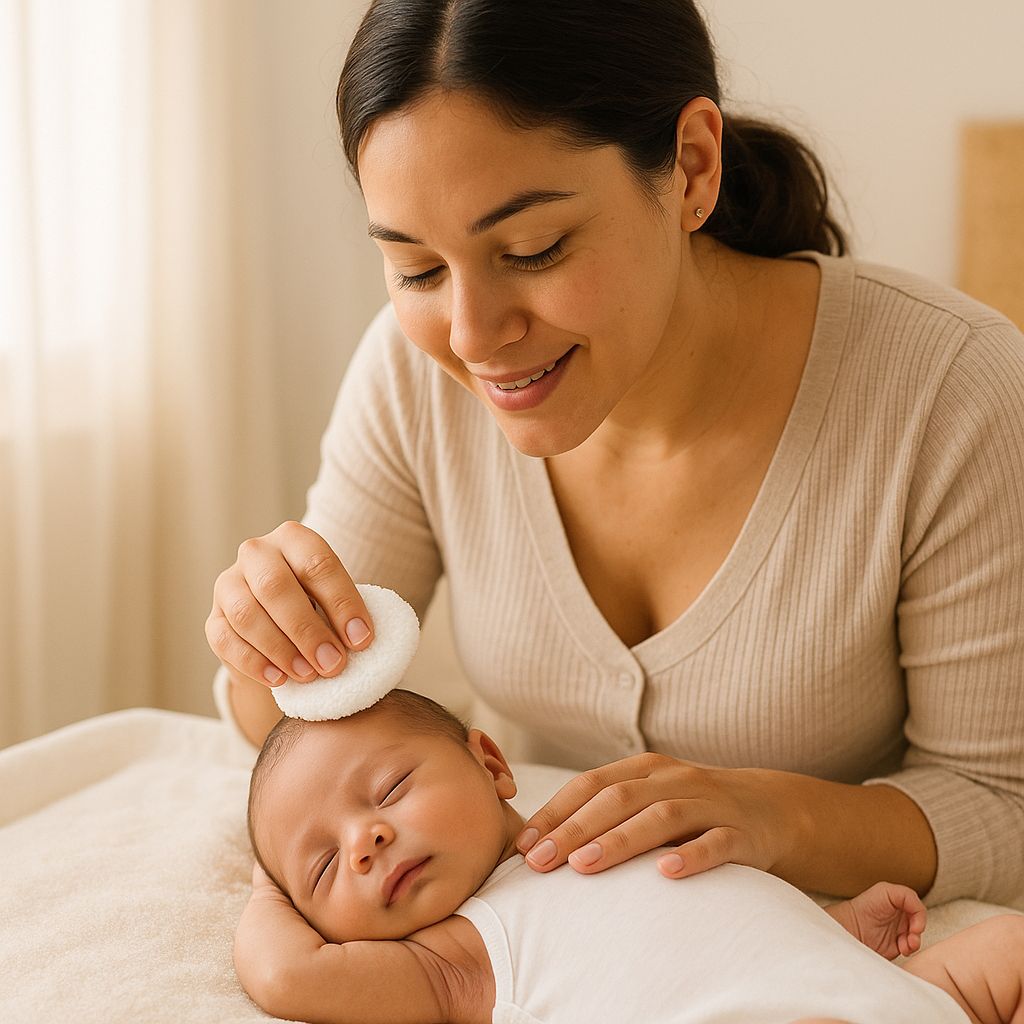

Newborn Hygiene and Daily Care Tips: Essential Guidance for New Parents
Bringing home a newborn is an exhilarating and sometimes overwhelming experience. As a new parent, you want to ensure your baby is safe, comfortable, and healthy from their very first days. One of the most crucial aspects of early parenting is establishing proper hygiene and daily care routines for your newborn. This comprehensive guide covers everything you need to know—bathing, diapering, umbilical cord care, skin protection, grooming, and more—to help you confidently nurture your baby through their first weeks of life.
Why Is Newborn Hygiene Important?
Newborns have delicate skin and immature immune systems, making them susceptible to infections and skin irritations. Practicing good hygiene helps prevent illness, supports healing, and promotes overall comfort. Simple daily habits can make a significant difference in your baby’s health and well-being.
Daily Newborn Care Checklist
- Bathing or sponge baths
- Diaper changing
- Umbilical cord care
- Skin moisturizing and protection
- Grooming: nail trimming, hair brushing
- Clothing and laundry hygiene
- Safe handling and environment cleanliness
Bathing Your Newborn: Step-by-Step Guidance
How Often Should You Bathe a Newborn?
Newborns do not require daily baths. Two to three times per week is sufficient, with sponge baths recommended until the umbilical cord stump falls off. In between, gently wipe your baby’s face, neck, and diaper area with a soft, damp cloth.
Setting Up the Bath
- Gather all supplies: mild baby cleanser, soft washcloth, cotton towel, clean diaper, and clothes.
- Use a baby bathtub or sink lined with a towel for comfort.
- Test water temperature; it should be around 37°C (98.6°F)—warm but not hot.
Bathing Steps
- Undress your baby, keeping them wrapped in a towel.
- Clean the face and head first with a damp washcloth.
- Gently wash the body, avoiding the umbilical cord area.
- Rinse with clean water, pat dry, and dress promptly.
Bathing Safety Tips
- Never leave your baby unattended during a bath.
- Use only fragrance-free, hypoallergenic baby products.
- Support your baby’s head and neck at all times.
Umbilical Cord Care: Preventing Infection
The umbilical cord stump usually falls off within 1-2 weeks. Until then, keep the area dry and clean to prevent infection.
- Fold diapers below the stump to avoid irritation.
- Clean gently with water and dry thoroughly.
- Do not apply powders, ointments, or alcohol unless directed by your healthcare provider.
- Watch for signs of infection: redness, swelling, foul odor, or pus. Contact your pediatrician if you notice any of these symptoms.
Diaper Changing: Keeping Skin Healthy
Diaper Changing Frequency
Newborns should be changed every 2-3 hours or immediately after soiling. This helps prevent diaper rash and keeps your baby comfortable.
Diaper Changing Steps
- Wash your hands before and after changing.
- Lay your baby on a clean, safe surface.
- Remove the soiled diaper, wiping front to back (especially for girls).
- Clean the area with gentle, fragrance-free wipes or warm water and cotton balls.
- Let the skin air dry before applying a fresh diaper.
- Use barrier creams if your baby is prone to diaper rash.
Preventing Diaper Rash
- Change diapers frequently.
- Allow skin to dry before re-diapering.
- Use breathable, high-quality diapers.
- Apply a thin layer of zinc oxide-based cream if needed.
Skin Care for Newborns
Newborn skin is sensitive and prone to dryness and irritation. Adopt these routines to protect your baby's skin:
- Use gentle, fragrance-free cleansers and moisturizers.
- Avoid over-bathing to prevent stripping natural oils.
- Pat skin dry instead of rubbing.
- Dress your baby in soft, breathable fabrics.
- Wash baby clothes separately with mild detergent.
Safe Newborn Grooming: Nails, Hair, and More
Trimming nails prevents accidental scratches but must be done carefully:
- Use baby nail scissors or nail files.
- Trim nails when your baby is calm or asleep.
- Gently brush hair with a soft baby brush to remove cradle cap flakes.
Clothing and Laundry Hygiene
Newborn clothes should be clean, soft, and free from irritants:
- Wash all new clothing before use.
- Use hypoallergenic, fragrance-free detergents.
- Avoid fabric softeners and dryer sheets.
- Dress your baby in layers to regulate warmth.
Maintaining a Clean Environment
- Wash your hands before handling your newborn.
- Keep nursery surfaces clean and sanitized.
- Limit exposure to sick individuals.
- Clean and disinfect toys, pacifiers, and feeding equipment regularly.
Choosing Safe Hygiene Products
Not all baby products are created equal. Look for items that are:
- Hypoallergenic and fragrance-free
- Dermatologist-tested
- Free from parabens, phthalates, and harsh chemicals
Common Newborn Hygiene Challenges (and Solutions)
- Dry skin: Moisturize with gentle, baby-safe lotions.
- Cradle cap: Brush gently and wash with a mild shampoo.
- Diaper rash: Change diapers promptly and use barrier creams.
- Umbilical cord issues: Keep area dry and consult a doctor if you notice signs of infection.
When to Call Your Pediatrician
Contact your healthcare provider if you observe:
- Persistent diaper rash or skin irritation
- Signs of umbilical cord infection (redness, swelling, pus, foul odor)
- Fever, lethargy, or unusual fussiness
- Unexplained rashes or blisters
Newborn Hygiene: Tips for Parents
- Prepare all supplies in advance to minimize stress.
- Ask your partner or support person for help during baths and grooming.
- Establish a daily routine to help your baby feel secure.
- Stay calm and patient—your skills will improve with practice.
Summary: Building Healthy Habits Early
Newborn hygiene and daily care are foundational for your baby's health, comfort, and well-being. By following these expert tips—gentle bathing, safe diapering, careful grooming, and vigilant umbilical cord care—you can protect your newborn from infections and skin irritations, ensuring their earliest days are as safe and comfortable as possible. With practice, these routines will become second nature, allowing you to focus on bonding and nurturing your little one.
Frequently Asked Questions
- How often should I bathe my newborn?
- 2-3 times per week is enough. Use sponge baths until the umbilical cord stump falls off.
- What products are safe for newborn skin?
- Choose mild, fragrance-free, hypoallergenic products made for babies.
- How do I care for my baby's umbilical cord stump?
- Keep it dry, clean, and let it fall off naturally. Contact your pediatrician if you notice signs of infection.
- How can I prevent diaper rash?
- Change diapers frequently, clean thoroughly, air dry skin, and use barrier creams.
- Is it safe to trim my newborn’s nails?
- Yes, using baby nail scissors or files, and trim when your baby is calm or asleep.