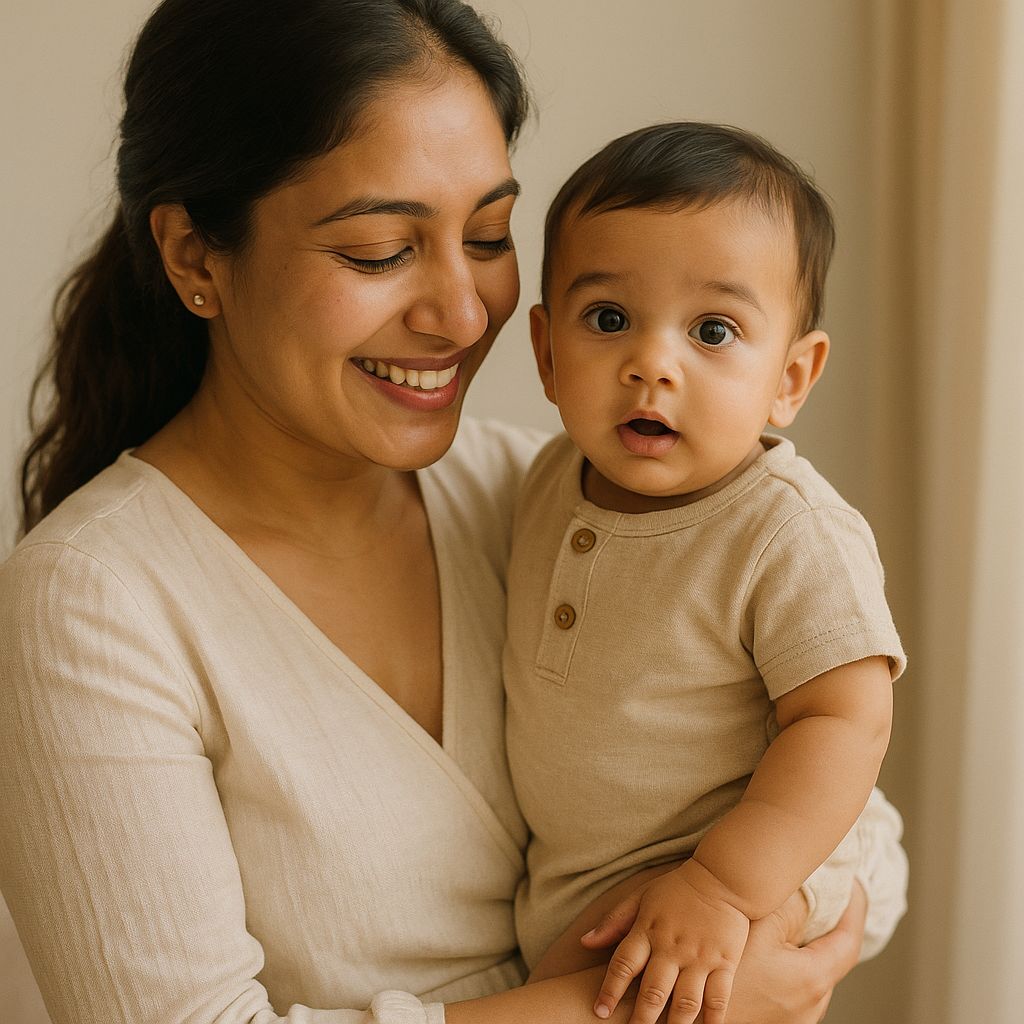

Monsoon Baby Care Tips for Parents: Ensuring Your Little One’s Health and Happiness
The monsoon season is a welcome respite from the scorching summer heat, painting the world in lush greens and cool breezes. However, for parents of infants and young children, the rainy season also brings a distinct set of challenges. Increased humidity, fluctuating temperatures, and a surge in harmful microorganisms can pose threats to your baby’s delicate health. This comprehensive, research-based guide offers expert monsoon baby care tips to help you safeguard your little one, ensuring they remain healthy and happy throughout the rainy months.
Understanding the Risks: Why Is Monsoon Challenging for Babies?
- Increased Humidity: Promotes the growth of fungi, bacteria, and viruses, raising the risk of respiratory and skin infections.
- Temperature Fluctuations: Sudden changes can compromise a baby’s immunity, making them susceptible to common colds and fevers.
- Waterborne Diseases: Contaminated water during monsoon spikes the incidence of gastrointestinal infections and diarrheal diseases.
- Insect Proliferation: Stagnant water is a breeding ground for mosquitoes, increasing the risk of vector-borne diseases like dengue and malaria.
Given these challenges, implementing a robust monsoon care routine is essential.
Expert-Recommended Monsoon Baby Care Tips
1. Maintain Impeccable Hygiene
- Regular Handwashing: Caregivers must wash their hands with soap and water before handling the baby to minimize the transmission of pathogens (NCBI, 2020).
- Sanitize Baby’s Belongings: Frequently clean toys, pacifiers, bottles, and feeding utensils. Prefer boiling or sterilizing baby bottles after each use.
- Keep the Environment Clean: Mop floors with a disinfectant and wipe down frequently touched surfaces daily.
2. Monitor and Control Indoor Humidity
- Ventilate Regularly: Open windows when rain isn’t falling directly, or use exhaust fans to prevent dampness and mold growth.
- Use Dehumidifiers: In areas with persistent humidity, dehumidifiers or air conditioning units can help maintain optimal indoor air quality.
- Avoid Carpets and Soft Toys: These can harbor dust mites and fungi in moist conditions.
3. Dress Your Baby Appropriately
- Opt for Cotton Clothing: Dress your baby in lightweight, breathable cotton garments. This fabric absorbs sweat and minimizes skin irritation.
- Layer Smartly: Layer clothes to adjust to temperature changes instead of heavy garments, preventing overheating or chills.
- Keep Clothes Dry: Change clothes immediately if they become damp. Always sun-dry or iron clothes to kill potential germs.
- Cover Extremities: Full-sleeved tops and pants protect against mosquito bites and sudden chills.
4. Focus on Bathing and Skin Care
- Daily Baths: A daily bath with lukewarm water helps remove sweat and germs. Ensure thorough drying, especially in skin folds (neck, underarms, groin).
- Use Mild Cleansers: Choose soap-free or mild baby cleansers to prevent dryness and irritation.
- Moisturize Regularly: Apply a gentle, hypoallergenic moisturizer to prevent skin dryness.
- Prevent Diaper Rash: Change diapers frequently, use barrier creams, and allow diaper-free intervals to keep the area dry.
5. Protect Against Mosquitoes and Insects
- Install Mesh Screens: Use fine mesh on windows and doors to prevent mosquito entry.
- Use Baby-Safe Repellents: Apply pediatrician-approved mosquito repellents (preferably with picaridin or IR3535) on clothing rather than skin.
- Avoid Stagnant Water: Regularly empty water from coolers, pots, and trays to eliminate breeding grounds.
- Dress for Protection: Full-length clothing and covered cribs provide a physical barrier.
6. Safe Feeding Practices
- Breastfeeding: Exclusive breastfeeding for the first six months offers immunity-boosting antibodies and nutrition (WHO).
- Boiled Water: If using formula, always boil and cool water before preparation. Avoid tap or untreated water.
- Fresh Foods: For older babies, ensure all foods are freshly cooked. Avoid cut fruits, raw salads, and street foods.
- Clean Feeding Equipment: Sterilize bottles, spoons, and bowls before each use.
7. Monitor for Signs of Illness
- Watch for Symptoms: Fever, cough, loose stools, rashes, or unusual lethargy warrant prompt medical attention.
- Stay Up To Date with Vaccinations: Immunizations protect against preventable diseases, especially when outbreaks are common in the monsoon.
- Regular Pediatric Check-Ups: Schedule routine visits to monitor growth, development, and overall health.
8. Manage Outdoor Exposure
- Avoid Crowded Places: Public areas can harbor viruses and bacteria; limit outings during heavy rains.
- Use Weather-Appropriate Gear: If stepping out is necessary, use rain covers for strollers and ensure baby is well-protected from rain and wind.
- Check for Wetness: Change out of wet clothes and footwear immediately upon return home.
9. Foster a Safe Sleeping Environment
- Keep Bedding Clean and Dry: Change sheets and pillowcases frequently and ensure they are completely dry.
- Avoid Over-Bundling: Use light blankets and avoid excessive swaddling to prevent overheating.
- Position the Crib: Keep the crib away from windows and damp walls to avoid drafts and mold exposure.
10. Practical Monsoon Precautions for Babies
- Keep Emergency Numbers Handy: Save contacts for your pediatrician and nearest hospital.
- Stock Essentials: Maintain a supply of clean clothes, diapers, wipes, and basic medicines for fever and colds (as advised by your pediatrician).
- Educate Caregivers: Ensure nannies or family members are aware of monsoon-specific baby care practices.
Research Insights: Why Monsoon Care Matters
According to data from the Indian Academy of Pediatrics and the World Health Organization, children under five are particularly vulnerable to monsoon-related illnesses. Studies have shown a spike in respiratory tract infections, skin conditions like impetigo and diaper rash, and gastrointestinal diseases during the rainy season. Implementing preventive strategies significantly reduces hospital visits and supports healthy growth and development during this critical period.
When to Seek Medical Help
- Persistent fever above 100.4°F (38°C)
- Difficulty breathing or rapid breathing
- Persistent vomiting or diarrhea
- Reduced urine output or signs of dehydration (sunken eyes, dry mouth, lethargy)
- Unusual rashes or skin infections
Early intervention is crucial. Do not hesitate to contact your pediatrician if you observe any worrying symptoms.
Conclusion
The monsoon season, while challenging, can be a time of joy and bonding for families. With diligent adherence to hygiene, proper nutrition, and vigilant monitoring, parents can protect their babies from the common risks posed by the rainy season. Remember, a healthy monsoon routine not only safeguards your child’s health but also nurtures their overall growth and happiness. Stay informed, stay prepared, and enjoy the magic of monsoon with your little one!