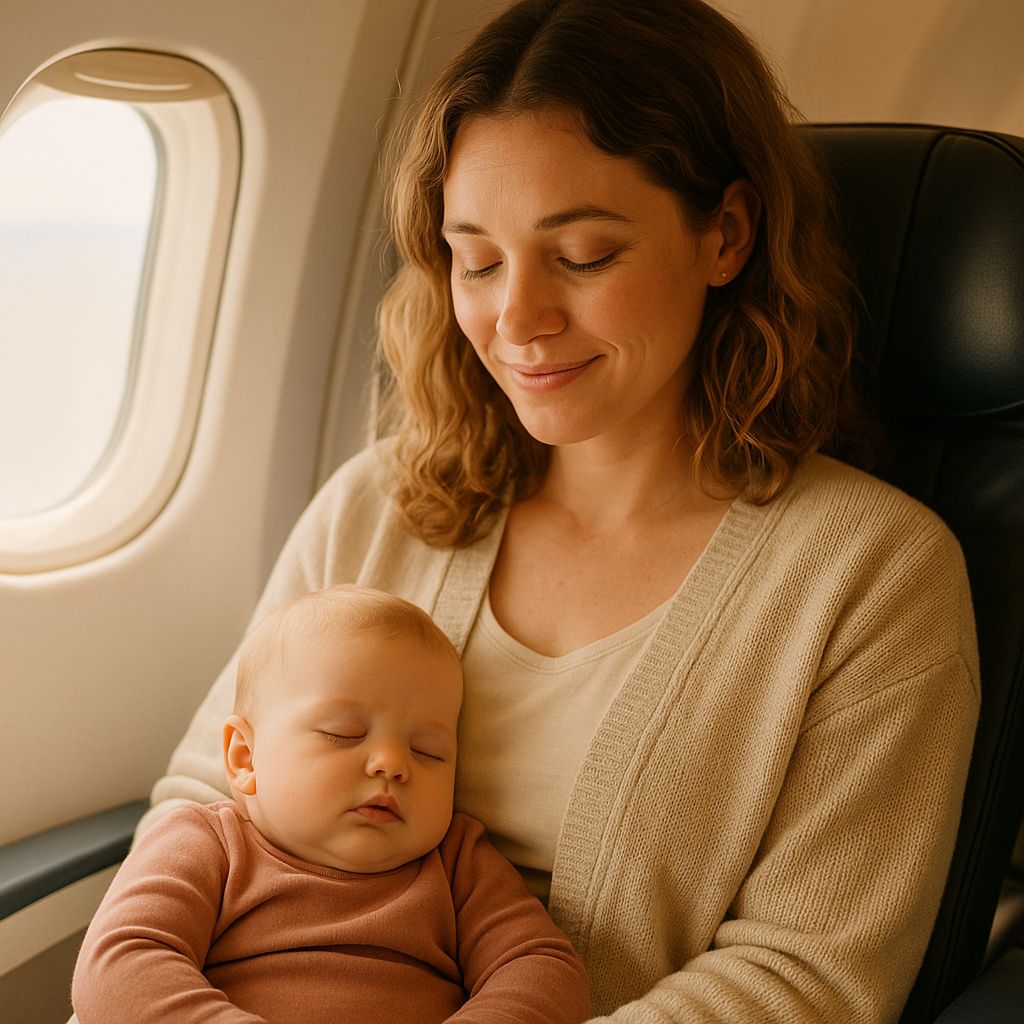

Managing Early Wake-Ups During Trips: Expert Strategies for Restful Family Travel
Traveling as a family is an enriching experience, but it often comes with challenges—especially when it comes to sleep. One of the most common issues parents face is managing early wake-ups in children while away from home. Whether you're on vacation, visiting relatives, or embarking on a weekend getaway, disrupted sleep can affect everyone’s mood, energy, and enjoyment.
Understanding Early Wake-Ups in Kids During Travel
Before tackling the problem, it's important to understand why children may wake up earlier than usual when traveling. Several factors play into this:
- Changes in Environment: Unfamiliar hotel rooms, vacation rentals, or relatives’ homes can make kids feel unsettled.
- Excitement and Anxiety: New surroundings and upcoming activities can make children eager to start their day or anxious about the unknown.
- Disrupted Routines: Altered schedules, late nights, or missed naps contribute to irregular sleep patterns.
- Time Zone Differences: Traveling across time zones often leads to confusion in the body’s internal clock.
- Light Exposure: Thin curtains or early sunrise can trigger wakefulness earlier than at home.
- Noise: Street sounds, other guests, or unfamiliar noises can interrupt sleep.
Preparing for Travel: Setting the Stage for Better Sleep
Preparation is key to minimizing early wake-ups during trips. Here are expert tips to help your family sleep better even before you leave home:
- Maintain Consistent Routines: Stick to regular bedtime and wake-up times in the days leading up to your trip. Consistency helps anchor your child’s sleep cycles.
- Gradually Adjust Schedules: If you’re traveling across time zones, begin shifting bedtime and wake-up times by 15-30 minutes each day before departure.
- Pack Familiar Comforts: Bring your child’s favorite blanket, pillow, or stuffed animal to provide a sense of security.
- Discuss the Trip: Talk about travel plans and sleeping arrangements with your child to reduce anxiety and excitement.
During Your Trip: Practical Solutions for Early Wake-Ups
Once you’ve arrived at your destination, use these strategies to manage early risers:
1. Create a Sleep-Friendly Environment
- Control Light: Use blackout curtains, shades, or travel sleep masks to block early morning light.
- Manage Noise: White noise machines, apps, or even a fan can help mask unfamiliar sounds.
- Temperature: Keep rooms cool and comfortable, as overheating can cause restless sleep.
- Safe Sleep Spaces: Ensure cribs or beds are set up securely and check for hazards.
2. Stick to Routine—As Much As Possible
- Bedtime Rituals: Keep pre-sleep routines consistent, such as reading stories, singing lullabies, or dimming the lights.
- Meal Times: Try to keep meal times regular, as food intake affects sleep cycles.
3. Adjust Activities and Schedules
- Limit Late Nights: Avoid too many late evenings, which can lead to overtiredness and earlier wake-ups.
- Schedule Down Time: Include quiet activities before bedtime, even on busy travel days.
4. Handle Early Wake-Ups Calmly
- Quiet Play: Prepare a small kit of quiet, independent activities (books, puzzles, coloring) for early risers.
- Encourage Rest: If your child wakes early, encourage them to rest in bed or engage in quiet play until the planned start of the day.
Expert Advice for Common Travel Sleep Disruptions
Managing early wake-ups can be more challenging when traveling with different age groups. Here are age-specific tips:
Babies and Toddlers
- Portable Sleep Spaces: Use travel cribs or bassinets to mimic home sleep environments.
- White Noise: Mask unfamiliar sounds with a portable white noise machine.
- Routine: Stick to nap and bedtime routines as much as possible.
Preschoolers
- Familiar Items: Bring their own pillow, blanket, and bedtime storybook.
- Visual Cues: Use a travel clock with a wake-up indicator to signal when it’s time to get up.
School-Age Children
- Sleep Education: Explain the importance of sleep and how travel may affect it.
- Activity Planning: Avoid overstimulation close to bedtime.
Common Causes of Early Wake-Ups During Travel
Let’s take a closer look at the main triggers for early wake-ups and how to address them:
1. Light Exposure
Sunrise in unfamiliar rooms may occur earlier than at home. Use blackout shades, or hang towels over windows to block light. Consider travel sleep masks for older children.
2. Noise
Travel accommodations may be noisier than home. White noise machines or apps can help. Earplugs may be suitable for older kids.
3. Time Zone Changes
Gradually adjust your child’s sleep schedule before the trip. Upon arrival, expose them to natural light during the new local daytime to help reset their internal clock.
4. Excitement and Anxiety
Talk through upcoming activities and encourage relaxation before bed. Familiar items and consistent routines can help reduce anxious wake-ups.
What to Do When Your Child Wakes Up Early?
If your child wakes earlier than expected, here’s how to handle it:
- Stay Calm: Avoid frustration or scolding; early wake-ups are often temporary.
- Keep Them Occupied: Offer quiet play options in the room until it’s time to start the day.
- Adjust the Schedule: If early wake-ups persist, consider shifting bedtime slightly later.
- Encourage Rest: Suggest your child lie down and relax, even if they’re not sleeping.
Building Flexibility Into Your Family Travel Sleep Plan
While consistency is important, flexibility is key during travel. If early wake-ups continue:
- Adapt Plans: Plan early morning activities that match your child’s energy.
- Nap Opportunities: Use stroller naps or quiet downtime to compensate for missed sleep.
- Prioritize Well-being: Focus on your child’s mood and behavior, not just sleep duration.
When to Seek Help
If sleep disruptions persist for more than a week after returning home, or if your child is excessively tired, irritable, or struggling with daily routines, consult a pediatrician or sleep specialist.
Summary: Restful Mornings for Memorable Trips
Managing early wake-ups during trips requires preparation, consistency, and flexibility. By understanding the causes, creating sleep-friendly environments, and maintaining routines, you can help your child enjoy restful mornings—and make the most of your family adventures.
Frequently Asked Questions
- Why do kids wake up early during trips?
- Children often wake up early during travel due to changes in their sleep environment, unfamiliar surroundings, excitement, or disruptions in their usual routine. Light exposure, noise, and time zone differences can also contribute to early wake-ups.
- How can I help my child sleep longer while traveling?
- Maintain a consistent bedtime routine, use blackout curtains or sleep masks, manage noise levels, and bring familiar comfort items from home. Adjust schedules gradually and ensure your child is comfortable and secure in the new environment.
- Should I adjust my child's sleep schedule before traveling?
- Yes, if you anticipate a time zone change or different routine, begin adjusting your child's sleep schedule a few days before the trip to help them transition smoothly and reduce early wake-ups.
- Is it normal for sleep routines to change during travel?
- It's common for sleep routines to be disrupted during trips. Children usually adapt after a few days, but maintaining consistency with routines and environment can help them adjust more quickly.
Final Thoughts
Early wake-ups don’t have to ruin your family trip. With expert strategies, preparation, and a dash of flexibility, you can manage sleep disruptions and ensure everyone wakes up ready to explore, laugh, and make lasting memories.