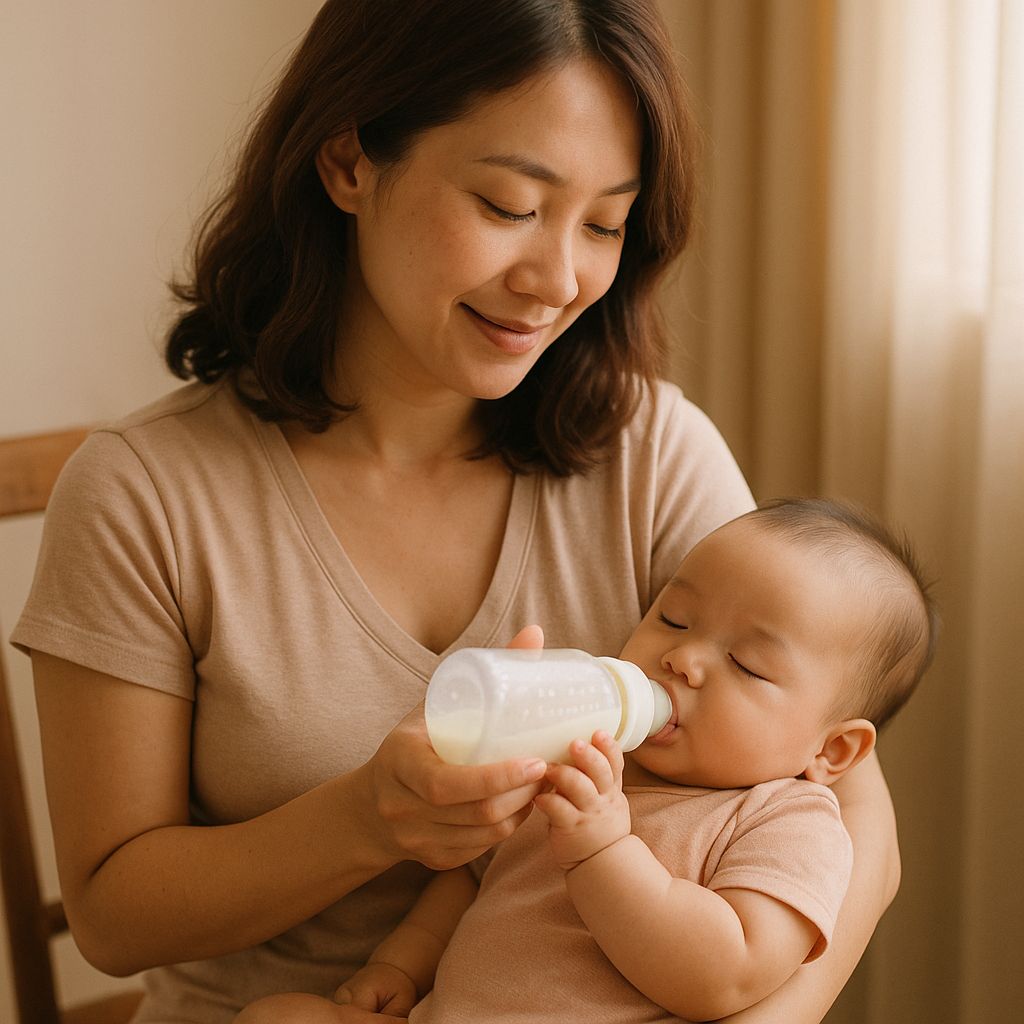

How to Keep Baby Feeding Safe in Humid Weather
As the mercury rises and humidity settles in, parents everywhere start thinking about how to keep their little ones comfortable and healthy. While we often focus on keeping babies cool and hydrated, one crucial area that deserves attention is feeding safety. Humid weather can pose unique challenges for storing, preparing, and serving baby food, breast milk, and formula. In this guide, we’ll walk you through everything you need to know to keep your baby’s mealtimes safe and worry-free during sticky summer days.
Why Humid Weather Is Risky for Baby Feeding
Humidity is more than just a sweaty inconvenience—it’s a breeding ground for bacteria and mold. High moisture levels in the air accelerate the spoilage of food and make it easier for germs to multiply. Babies, with their developing immune systems, are especially vulnerable to foodborne illnesses. That’s why safe feeding practices are essential when the air turns muggy.
Common Risks in Humid Conditions
- Bacterial growth in milk, formula, and solid foods
- Mold development on food and feeding utensils
- Food spoilage due to improper storage
- Contamination from sweaty hands or surfaces
Safe Storage for Breast Milk and Formula
Breast Milk Storage Tips
- Always store expressed breast milk in clean, sterilized containers.
- Refrigerate breast milk within 4 hours of expression—ideally, immediately.
- In humid weather, never leave breast milk out for more than 1 hour.
- If traveling or out for the day, use insulated bags with ice packs to keep milk cool.
- Label each container with the date and time of expression.
- Discard any milk that smells sour or appears separated beyond normal fat separation.
Formula Storage Tips
- Prepare formula right before feeding whenever possible.
- If you need to prepare ahead, refrigerate immediately and use within 24 hours.
- Never leave prepared formula at room temperature for more than 1 hour in humid weather.
- Always use clean, sterilized bottles and nipples.
- Check for signs of spoilage—off smell, curdling, or unusual texture.
- Discard any leftover formula after feeding; don’t save for later.
Solid Baby Food: Safe Preparation and Storage
Homemade Baby Food
- Prepare only the amount needed for each feeding.
- Store leftovers in the refrigerator and use within 24 hours.
- Never leave purees or mashed foods out for more than 1 hour.
- Freeze portions if you need to keep them longer, but thaw in the refrigerator—not at room temperature.
- Check for signs of spoilage: sour smell, mold, discoloration, or separation.
Store-Bought Baby Food
- Check expiration dates before purchasing and serving.
- Once opened, refrigerate immediately and use within the manufacturer’s recommended time—usually 24-48 hours.
- Never leave jars or pouches open at room temperature.
- Use clean utensils for serving to avoid introducing bacteria.
Feeding Hygiene: More Important Than Ever
In humid weather, maintaining strict hygiene can make all the difference between a safe meal and a risky one. Here’s how to keep everything baby-ready:
Utensil and Bottle Care
- Wash bottles, nipples, spoons, and bowls thoroughly with hot, soapy water after each use.
- Sterilize all feeding items regularly—daily during humid spells.
- Allow items to air-dry completely before storing or using.
- Store clean utensils in a dry, closed container to prevent mold.
Handwashing
- Wash your hands before preparing food, handling bottles, or feeding your baby.
- Encourage older children or caregivers to do the same.
- Avoid touching food with sweaty hands.
Feeding Area Cleanliness
- Wipe down feeding surfaces before and after meals.
- Don’t leave food, bottles, or utensils out after feeding—clean and store promptly.
- Keep pets away from the feeding area.
Recognizing Spoilage: Trust Your Senses
Even the best storage practices can’t guarantee food safety if spoilage sneaks in. Learn to spot the signs before your baby takes a bite:
- Smell: Any sour, musty, or off odor means the food is unsafe.
- Appearance: Mold, discoloration, or separation (beyond normal fat separation in breast milk) indicates spoilage.
- Texture: Slimy or unusually lumpy textures are a red flag.
- Taste: Never taste questionable food yourself—just discard it.
Feeding on the Go: Summer Outings & Travel
Humid weather often means more time outdoors, but keeping baby food safe doesn’t have to be stressful:
- Pack breast milk, formula, and solids in insulated lunch bags with frozen gel packs.
- Keep food shaded and out of direct sun.
- Feed your baby as soon as possible after arriving at your destination.
- Discard any food or milk left out for more than 1 hour.
- Bring extra clean utensils and bottles in case something gets dropped or dirty.
Hydration: Keeping Babies Well-Watered
Humid weather makes babies sweat more, so hydration is key. For infants, breast milk or formula provides all necessary fluids. For older babies (over 6 months), you may offer small amounts of water as recommended by your pediatrician. Ensure that water is clean, safe, and preferably cooled in the refrigerator.
Preventing Foodborne Illness: What to Watch For
Even with careful feeding, it’s important to know the signs of foodborne illness in babies:
- Vomiting
- Diarrhea
- Fever
- Unusual fussiness or lethargy
- Refusal to feed
If you notice any of these symptoms, contact your pediatrician immediately.
Tips for Safe Baby Feeding in Humid Weather
- Refrigerate breast milk, formula, and prepared foods promptly.
- Use insulated bags and ice packs for outings.
- Check food for spoilage before feeding.
- Clean and sterilize all feeding equipment regularly.
- Wash hands before every feeding session.
- Offer breast milk, formula, or water frequently to keep your baby hydrated.
- Discard leftovers and avoid reusing food or milk.
Frequently Asked Questions
- Why is humid weather a concern for baby feeding?
- Humid weather accelerates the growth of bacteria and mold, increasing the risk of food spoilage and foodborne illness. Babies are especially vulnerable due to their developing immune systems, so extra care must be taken with storage, preparation, and feeding hygiene.
- How should I store breast milk and formula in humid weather?
- Store breast milk and prepared formula in the refrigerator as soon as possible. Use insulated bags with ice packs if you’re on the go. Avoid leaving milk or formula out for more than 1 hour in hot, humid conditions.
- What are the signs that baby food has spoiled?
- Spoiled baby food may have an off smell, unusual color or texture, or separation. If you notice any of these signs, discard the food immediately. Never taste questionable food yourself to check.
- Can I prepare baby food in advance during humid weather?
- You can prepare baby food ahead, but it should be stored in the refrigerator and consumed within 24 hours. Avoid leaving food at room temperature and always use clean containers.
- How can I ensure feeding utensils are safe in humid weather?
- Wash utensils, bottles, and nipples thoroughly with hot, soapy water. Sterilize them regularly, especially during humid spells, and allow items to air-dry completely before use.
Final Thoughts: Enjoy the Season Safely
Humid weather doesn’t have to spoil your baby’s mealtimes. With a few simple precautions, you can keep feeding safe, nourishing, and stress-free. Remember: keep food cool, maintain hygiene, and trust your instincts. When in doubt, throw it out—and enjoy those precious moments with your little one, knowing you’re keeping them healthy and happy, season after season.