
How to Introduce New Foods to Toddlers: A Parent’s Guide
Why Introducing New Foods to Toddlers Matters
Mealtime with toddlers can feel like a roller coaster. One day they gobble up sweet potatoes, and the next, they refuse even a nibble. As parents, we worry about nutrition and balanced diets, but the truth is, the toddler years are a prime time to cultivate healthy eating habits. Introducing new foods isn’t just about nutrition; it’s about shaping your child’s lifelong relationship with food.
Understanding Toddler Behavior Around Food
Toddlers are notorious for being picky eaters. Their taste buds are developing, and their sense of independence is growing. They may be cautious about unfamiliar foods, and that’s completely normal. Remember, a toddler’s appetite can fluctuate, and their resistance to new foods is often part of their developmental process.
Food Neophobia
Food neophobia—the fear of new foods—is common in toddlers. It’s a protective instinct, but with patience, most children outgrow it. Understanding this can help you approach mealtime with empathy and patience.
Expert Strategies for Introducing New Foods
Ready to make mealtime less stressful and more enjoyable? Here are proven strategies to help your toddler explore the world of food:
1. Lead by Example
Children learn by watching. If you eat a variety of foods, your toddler is more likely to follow suit. Sit down together for meals and let your child see you enjoying different flavors and textures.
2. Involve Your Toddler in Food Preparation
Kids love to be part of the process. Let your toddler help wash veggies, stir batter, or arrange food on their plate. This hands-on involvement increases their curiosity and willingness to try what they helped create.
3. Offer Small Portions
Big servings can intimidate toddlers. Start with a tiny taste—just a bite or two. If they’re not interested, that’s okay. The goal is exposure, not consumption.
4. Make Food Fun
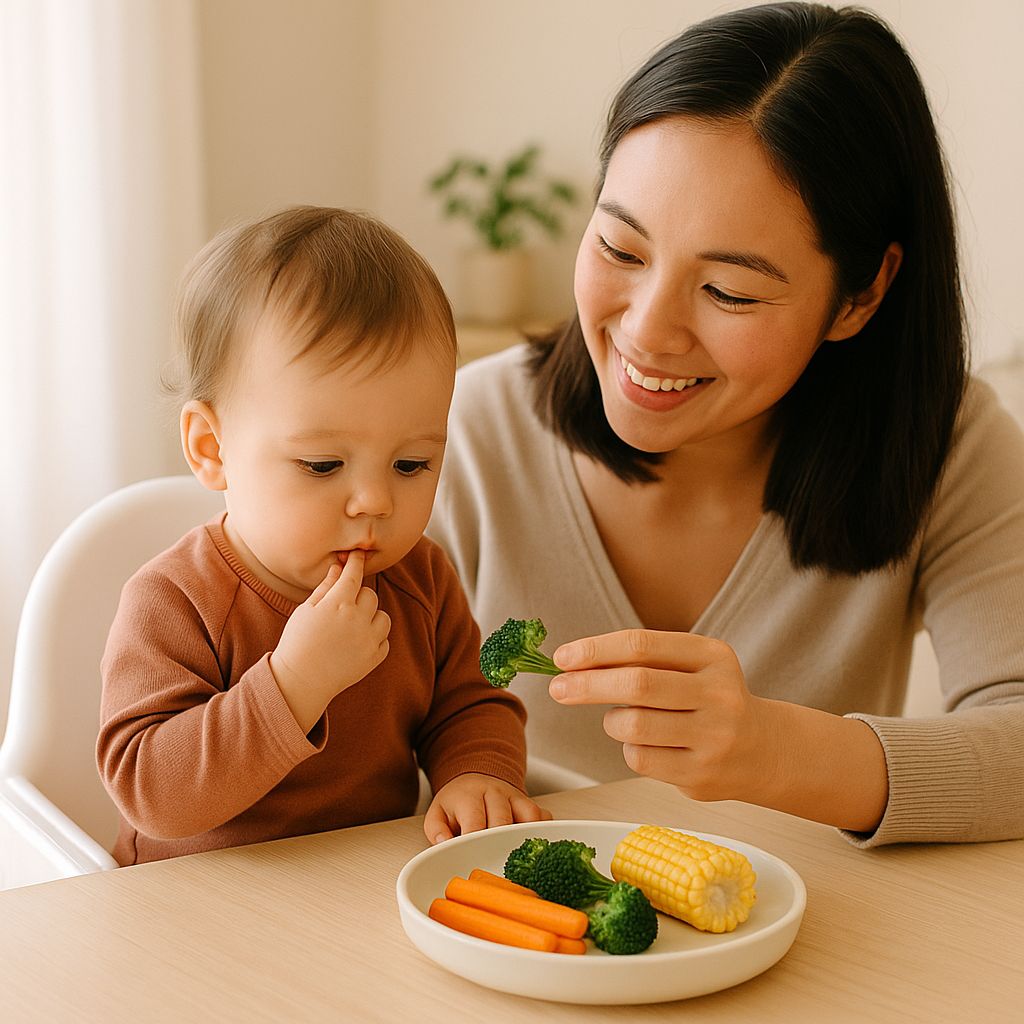
Presentation matters! Use cookie cutters to make fun shapes, create colorful plates, or turn meals into stories. For example, broccoli trees and mashed potato mountains can spark imagination and appetite.
5. Limit Pressure and Praise Effort
Pressuring your child to eat can backfire. Instead, encourage them gently and praise their willingness to try, even if they don’t like the food. Keep the atmosphere positive and stress-free.
6. Offer New Foods Alongside Favorites
Pairing an unfamiliar food with something your toddler already likes increases the chances they’ll give it a try. For instance, offer steamed carrots next to their favorite chicken nuggets.
7. Repeated Exposure
Don’t give up after one rejection. Research shows it can take 10–15 exposures for a child to accept a new food. Keep offering it in different forms—raw, cooked, blended, or as part of another dish.
8. Respect Their Appetite
Toddlers know when they’re hungry and when they’re full. Avoid forcing them to eat, and trust their cues. This teaches self-regulation and a healthy relationship with food.
Creating a Positive Mealtime Environment
Mealtime shouldn’t feel like a battleground. Here’s how to set the stage for toddler success:
- Routine: Serve meals and snacks at regular times.
- Distraction-Free: Turn off screens and minimize clutter.
- Family Meals: Eat together when possible.
- Role Modeling: Let your toddler see you enjoying a variety of foods.
Common Challenges and How to Overcome Them
Picky Eating
If your toddler refuses new foods, don’t panic. Stay calm, offer choices, and avoid battles. Serve rejected foods again in different ways, and let your child explore at their own pace.
Texture and Taste Sensitivities
Some toddlers are sensitive to textures or tastes. Experiment with different preparations—steam, roast, mash, or blend—to find what works.
Food Allergies and Intolerances
If you suspect an allergy, consult your pediatrician before introducing new foods. Start with small amounts and watch for reactions.
Age-Appropriate Foods for Toddlers
Always ensure foods are safe and easy to eat. Avoid choking hazards like whole grapes, nuts, and popcorn. Offer soft, bite-sized pieces, and encourage self-feeding for skill development.
- Fruits: Bananas, pears, melon, berries (halved or quartered)
- Vegetables: Cooked carrots, peas, sweet potato, avocado
- Protein: Scrambled eggs, well-cooked beans, shredded chicken
- Grains: Whole wheat bread, pasta, rice
- Dairy: Yogurt, cottage cheese, mild cheese
Encouraging Healthy Eating Habits
Focus on the Experience
Make mealtime about connection, not just nutrition. Talk about flavors, colors, and origins. Share stories about foods and cultures.
Be Consistent
Offer a variety of foods regularly. Avoid short-order cooking—prepare one meal for the family and allow your toddler to choose what they want from their plate.
Avoid Using Food as a Reward
Don’t tie new foods to treats or prizes. Instead, celebrate your toddler’s willingness to try and keep the focus on enjoyment and exploration.
Sample Meal Ideas for Introducing New Foods
- Breakfast: Scrambled eggs with diced spinach, whole wheat toast, and sliced strawberries
- Lunch: Mini turkey meatballs, steamed carrots, and apple slices
- Snack: Yogurt with blueberries or diced peaches
- Dinner: Pasta with tomato sauce and peas, roasted sweet potato cubes
Tips for Managing Mealtime Stress
- Stay calm and positive, even when your toddler rejects a food.
- Let your child decide how much to eat—your job is to decide what, when, and where.
- Don’t offer alternative foods if they refuse the meal. Instead, wait until the next scheduled snack or meal.
- Celebrate small victories, like touching or licking a new food.
When to Seek Help
If your toddler consistently refuses entire food groups or has trouble swallowing, consult your pediatrician or a pediatric dietitian. Extreme picky eating or weight loss may require professional guidance.
Conclusion: Embrace the Journey
Introducing new foods to toddlers is a process, not a one-time event. It requires patience, creativity, and empathy. Remember, every child is different, and what works for one may not work for another. Celebrate small steps, keep mealtime joyful, and trust that your toddler will develop their own preferences in time.
You’re laying the foundation for a lifetime of healthy eating. Enjoy the adventure!
Frequently Asked Questions
- How many times should I offer a new food to my toddler before giving up?
It can take 10–15 exposures for a toddler to accept a new food. Keep offering small portions without pressure, and try different preparations. - What if my toddler refuses to eat vegetables?
Try mixing vegetables into favorite dishes, offer them raw or cooked in different ways, and involve your toddler in choosing and preparing veggies. - Should I reward my toddler for eating new foods?
Avoid using rewards like desserts or toys. Instead, praise their willingness to try, and make mealtime a positive experience. - Is it normal for toddlers to be picky eaters?
Yes, picky eating is common in toddlers as they explore independence. Consistency, patience, and gentle encouragement are important. - How can I make mealtime less stressful?
Create a routine, keep meals relaxed, and focus on the experience rather than how much your toddler eats. Include them in meal planning and prep.