
The Importance of Play-Based Learning: Building Foundations in Preschool

When you think of preschool, playful laughter and colorful toys often come to mind. But behind every giggle and block tower lies a powerful learning engine. Play-based learning isn’t just about fun—it’s a research-backed approach that builds the essential skills young children need for life. In this article, we’ll dive deep into why play-based learning matters, how it shapes preschoolers’ development, and practical ways parents and educators can foster playful growth.
What Is Play-Based Learning?
Play-based learning is an educational philosophy centered around the idea that children learn best when they’re actively engaged in play. Instead of structured lessons and rote memorization, play-based learning encourages exploration, creativity, and problem-solving. Children lead the activities, guided by their own curiosity and interests, while adults provide support and a safe environment.
Play-based learning isn’t limited to free play—it can include guided play, cooperative games, imaginative role-playing, and hands-on activities. The key is that learning happens through experiencing, experimenting, and interacting with the world.
Why Is Play-Based Learning So Important?
Research consistently shows that play is the primary mode through which preschoolers learn and develop. Here’s why:
- Holistic Development: Play stimulates social, emotional, cognitive, and physical growth. Children build relationships, express feelings, and practice new skills all at once.
- Intrinsic Motivation: Play fosters a love of learning. When children are engaged, they’re naturally motivated to explore and discover.
- Safe Exploration: Play offers a safe space to try new things, make mistakes, and learn from them without pressure.
- Creativity & Problem-Solving: Through imaginative play, children develop creative thinking and problem-solving skills.
- Language & Communication: Play encourages conversation, storytelling, and collaboration, building strong communication skills.
How Does Play-Based Learning Support Preschoolers?
Let’s break down the ways play-based learning impacts specific areas of development:
1. Social Skills
Playing with peers teaches children how to cooperate, share, negotiate, and resolve conflicts. Group games and imaginative role-play help them understand rules, take turns, and empathize with others. These early social skills lay the groundwork for teamwork and relationship-building later in life.
2. Emotional Intelligence
Through play, preschoolers learn to express their feelings, manage frustration, and practice self-regulation. Pretend play allows them to explore different emotions and situations in a safe space, helping them develop resilience and empathy.
3. Cognitive Development
Play-based activities—like puzzles, building blocks, or sorting games—challenge children’s thinking. They learn to recognize patterns, solve problems, and make connections. Play also enhances memory, attention, and executive functioning skills.
4. Physical Development
Active play strengthens coordination, balance, and fine motor skills. Whether it’s climbing, running, or manipulating small objects, physical play is essential for healthy growth and confidence.
Play-Based Learning vs. Traditional Approaches
Traditional preschool education often emphasizes structured lessons, worksheets, and direct instruction. While these methods can teach certain skills, they don’t always match the developmental needs of young children. Play-based learning, in contrast, adapts to each child’s pace and interests, making learning meaningful and enjoyable.
Studies show that children who experience play-based learning are more likely to:
- Develop positive attitudes toward school
- Show greater creativity and flexibility in thinking
- Build better social and emotional skills
- Perform well academically later on
Examples of Play-Based Learning Activities
Wondering what play-based learning looks like in action? Here are some popular activities for preschoolers:
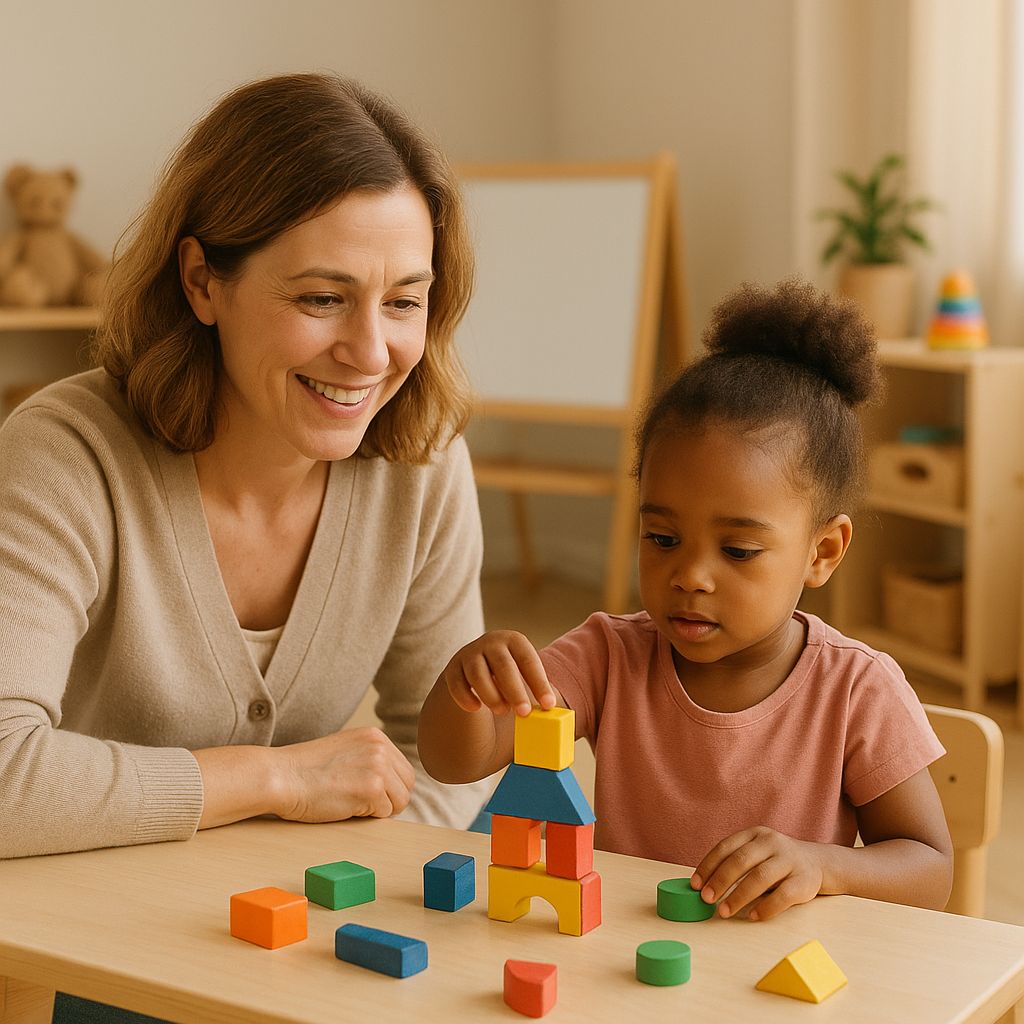
- Building with Blocks: Encourages spatial reasoning, creativity, and teamwork.
- Pretend Play: Dressing up, playing house, or creating imaginary worlds fosters language and emotional skills.
- Art Projects: Painting, drawing, and crafting support fine motor skills and self-expression.
- Outdoor Exploration: Nature walks, scavenger hunts, and gardening build curiosity and physical strength.
- Group Games: Simple games like "Simon Says" or "Duck Duck Goose" teach listening, following directions, and cooperation.
- Sensory Play: Playing with sand, water, or sensory bins enhances tactile learning and creativity.
How Parents Can Foster Play-Based Learning At Home
You don’t need a fancy preschool classroom to support play-based learning! Here are practical tips for parents:
- Provide Open-Ended Toys: Choose toys that can be used in many ways, like blocks, dolls, art supplies, or kitchen sets.
- Create Safe Spaces: Set up areas where your child can freely explore, move, and play.
- Join In: Play alongside your child, follow their lead, and encourage their ideas.
- Allow Independence: Give your child time to play alone or with peers, letting them solve problems and make decisions.
- Celebrate Creativity: Praise imaginative ideas and effort, not just outcomes.
- Embrace Mess: Messy play (like painting or mud kitchens) is often the most valuable!
- Read Together: Storytime can become interactive with puppet shows or acting out tales.
Supporting Play-Based Learning in Preschool Settings
Preschool teachers play a crucial role in designing environments that encourage play-based learning. Here’s how educators can foster playful growth:
- Flexible Schedules: Allow ample time for free and guided play.
- Rich Learning Environments: Provide diverse materials and spaces for different types of play.
- Observation & Support: Watch children’s interests and gently guide their exploration.
- Encourage Collaboration: Facilitate group activities that promote sharing and teamwork.
- Model Problem-Solving: Demonstrate how to handle conflicts, take turns, and think creatively.
Common Myths About Play-Based Learning
Let’s bust a few myths:
- Myth: "Play is just for fun; it’s not real learning."
Fact: Play is the most natural and effective way for preschoolers to learn. - Myth: "Children won’t be ready for school if they play too much."
Fact: Play-based learning builds the foundational skills needed for academic success and lifelong learning. - Myth: "Only expensive toys support play-based learning."
Fact: Everyday objects and simple activities are powerful tools for playful learning.
The Long-Term Benefits of Play-Based Learning
Play-based learning doesn’t just help with preschool skills—it sets the stage for future success. Children who experience quality play:
- Develop strong self-esteem and confidence
- Show greater curiosity and motivation to learn
- Build lasting relationships and collaborative skills
- Adapt more easily to new situations and challenges
- Perform well academically and socially in school
Making Play a Priority
In our fast-paced world, it can be tempting to prioritize structured classes or early academics. But for preschoolers, play is the work of childhood. By making play a priority—at home and in preschool settings—we empower our children to grow, learn, and thrive.
So, next time you see your preschooler building a tower, dressing up as a superhero, or splashing in puddles, remember: they’re not just playing. They’re mastering the skills they’ll need for a lifetime.
Conclusion
Play-based learning is the cornerstone of early childhood education, nurturing the social, emotional, cognitive, and physical foundations that children need. Whether you’re a parent or educator, embracing play-based learning means saying yes to creativity, curiosity, and joyful discovery. Let’s champion play and give every preschooler the best possible start!
Frequently Asked Questions
- What is play-based learning?
- Play-based learning is an educational approach where children explore, discover, and learn through play. Activities are child-led, hands-on, and designed to foster curiosity, creativity, and skill development.
- Why is play important for preschoolers?
- Play is important because it supports a child’s physical, social, emotional, and cognitive development. It helps them build relationships, solve problems, express emotions, and practice new skills in a safe, engaging environment.
- How can parents encourage play-based learning at home?
- Parents can encourage play-based learning by providing open-ended toys, creating safe spaces for exploration, joining in imaginative games, and allowing their child to lead the play. Simple activities like building with blocks, playing pretend, or exploring nature are excellent opportunities.
- Is play-based learning effective for preparing children for school?
- Yes, research shows that play-based learning helps children develop foundational skills needed for school success, such as communication, problem-solving, self-regulation, and collaborative abilities.
- What are some examples of play-based learning activities?
- Examples include building with blocks, role-playing, art projects, sensory bins, outdoor exploration, and group games. These activities encourage creativity, teamwork, and learning through hands-on experiences.