
The Importance of Physical Activity in Early Childhood: Building Healthy Habits for Life
Imagine a group of preschoolers racing across a sunny playground, giggling as they chase bubbles or leap over imaginary rivers. Those moments of active play aren’t just fun—they’re fundamental to your child’s growth and lifelong health. Here at Growing Giggles, we believe that movement is magic, especially for our youngest learners! Let’s explore why physical activity is so crucial in early childhood, how it shapes development, and practical ways to make it a joyful part of your family’s daily routine.
Why Does Physical Activity Matter for Preschoolers?
Physical activity isn’t just about burning energy or keeping little bodies busy. For preschoolers (ages 3–5), movement is central to their growth and development. Here’s why:
- Growth and Health: Regular activity supports strong bones, muscles, and a healthy heart. It helps prevent childhood obesity and builds lifelong habits.
- Brain Development: Movement stimulates brain connections, boosting learning, memory, and attention.
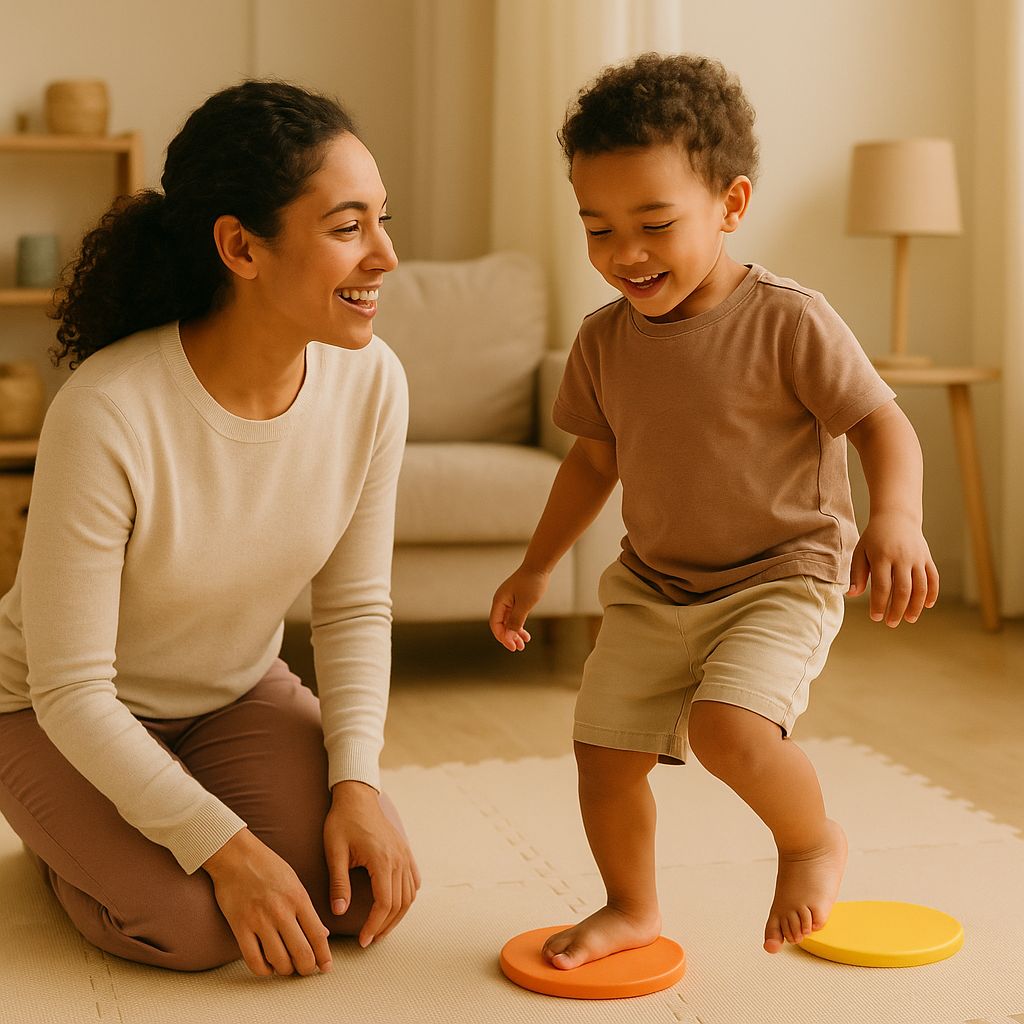
- Motor Skills: Jumping, running, climbing, and balancing develop coordination, balance, and confidence.
- Social and Emotional Skills: Playing together teaches teamwork, sharing, and problem-solving. It’s a foundation for self-esteem.
Children are naturally active, but today’s world—full of screens and busy schedules—can make it tricky to prioritize movement. The good news? A little creativity goes a long way!
The Benefits of Exercise for Preschoolers
Let’s dive deeper into the amazing benefits that physical activity offers during early childhood:
1. Physical Health
Active children are more likely to maintain a healthy weight, develop strong bones and muscles, and improve heart and lung function. Preschoolers need movement to build endurance and flexibility, reducing the risk of chronic conditions later in life.
2. Mental and Cognitive Growth
Did you know that movement actually helps your child learn? Physical activity increases blood flow to the brain, supporting memory, attention, and creativity. Activities like dancing, hopping, or playing catch enhance problem-solving skills and boost academic readiness.
3. Emotional Wellbeing
Active play releases endorphins (the “feel-good” hormones), helping children manage stress, anxiety, and big emotions. It’s a natural mood booster and a safe way to express feelings.
4. Social Skills and Confidence
Group play—like tag, relay races, or team games—teaches cooperation, patience, and empathy. Physical activity gives children a sense of achievement, boosting self-esteem as they master new skills.
5. Development of Motor Skills
Gross motor skills (like running, jumping, climbing) and fine motor skills (like throwing, catching, or balancing) are built through movement. These skills are foundational for reading, writing, and everyday tasks!
How Much Physical Activity Do Preschoolers Need?
According to experts, preschoolers should be physically active for at least 3 hours each day. This includes:
- Structured activities: Organized games, dance classes, or sports.
- Unstructured play: Free play outdoors, creative movement, or spontaneous fun.
Don’t worry—those 3 hours don’t need to be all at once! Short bursts throughout the day count, and every bit helps. The goal is to make movement a natural, enjoyable part of daily life.
Building Healthy Habits Early: Why Start Now?
Early childhood is a window of opportunity for forming habits that last a lifetime. When kids experience the joy of movement, they’re more likely to stay active as they grow. Plus, regular activity reduces the risk of health issues like obesity, diabetes, and heart disease.
By encouraging movement from a young age, parents and caregivers lay the foundation for a healthy, confident, and resilient child.
Practical Tips for Encouraging Physical Activity
Ready to get moving? Here are some playful, family-friendly ways to promote physical activity at home and beyond:
Make It Fun!
- Turn chores into games—can your child race to tidy up or hop to the bathroom?
- Play active music and have a dance party in the living room.
- Set up a simple obstacle course with pillows, chairs, and blankets.
- Try “Simon Says” with movement commands: jump, touch your toes, or spin!
Get Outdoors
- Visit playgrounds, parks, or nature trails regularly.
- Go on a family walk or bike ride after dinner.
- Play ball games, frisbee, or hide-and-seek in the backyard.
Include the Whole Family
- Join in the fun! Kids love when parents participate.
- Share your favorite childhood games or sports.
- Plan active family outings or weekend adventures.
Embrace Unstructured Play
- Let your child lead—follow their interests and imagination.
- Provide safe spaces for free movement indoors and outdoors.
- Encourage creative play: pretend to be animals, superheroes, or explorers.
Limit Screen Time
- Set boundaries for TV, tablets, and phones.
- Swap screen time for active play whenever possible.
Celebrate Achievements
- Offer praise and encouragement (“Wow, you jumped so high!”).
- Celebrate milestones—learning to ride a bike, mastering a somersault, or running a race.
Active Play Ideas for Preschoolers
Need inspiration? Here are some easy, age-appropriate activities to spark movement and laughter:
- Bubble Chase: Blow bubbles and let your child chase and pop them.
- Animal Walks: Hop like a bunny, crawl like a bear, or slither like a snake.
- Scavenger Hunts: Hide objects indoors or outdoors and let your child search for them.
- Ball Games: Kick, throw, or roll a ball together.
- Water Play: Splash in a kiddie pool, run through sprinklers, or pour water in buckets.
- Obstacle Courses: Use furniture, cushions, or cones for a fun indoor course.
- Parachute Games: Use a bedsheet for group play—lift, shake, and run under!
- Action Songs: Sing “Head, Shoulders, Knees, and Toes” or “If You’re Happy and You Know It.”
Supporting Your Child’s Unique Needs
Every child is different. Some love to run, others prefer quiet movement, and some need extra encouragement. Here’s how to support your child’s interests and abilities:
- Follow Their Lead: Observe what activities bring your child joy.
- Adapt Activities: Modify games for your child’s age, skill level, or special needs.
- Encourage, Don’t Pressure: Keep movement positive and stress-free.
- Celebrate Small Steps: Every effort counts—praise progress, not perfection.
Common Barriers—and How to Overcome Them
Sometimes, life gets in the way. Here’s how to handle common challenges:
- Busy Schedules: Try short, active breaks (5–10 minutes) throughout the day.
- Bad Weather: Move furniture for indoor play, dance, or use online activity videos.
- Lack of Motivation: Offer variety, participate together, and keep things lighthearted.
- Limited Space: Use hallways, clear corners, or community centers.
Physical Activity and Preschool Education
Many preschools now include daily movement, from playground time to structured games. If your child attends preschool, ask about their physical activity routines. You can reinforce active habits at home with playful extensions of school activities.
When to Seek Expert Advice
If your child has medical conditions, developmental delays, or struggles with movement, consult your pediatrician or early childhood specialists. They can suggest tailored activities or therapies to support your child’s growth.
Frequently Asked Questions
- How much physical activity do preschoolers need each day?
- Experts recommend at least 3 hours of various physical activities daily for preschoolers, including both structured and unstructured play.
- What are easy ways to add more movement to my child's routine?
- Try dancing, playing tag, riding bikes, exploring playgrounds, or setting up indoor obstacle courses. Keep activities playful and varied!
- Can physical activity improve my child's learning and attention?
- Yes! Movement stimulates brain development, boosts concentration, and enhances cognitive skills in young children.
- What if my child isn’t interested in active play?
- Focus on fun, follow their interests, and participate together. Offer praise and encouragement, and make movement a positive experience.
Conclusion: Movement Is Magic!
Physical activity in early childhood isn’t just important—it’s transformative. Movement fuels your child’s body, mind, and spirit, setting the stage for a healthy, happy life. The best part? It’s easy to start, and every giggle, jump, or dance counts.
So, lace up those sneakers, turn up the music, and make movement a joyful part of your family’s day. Your preschooler will thank you—with hugs, laughter, and a lifetime of healthy habits.
For more expert tips, playful ideas, and parenting inspiration, stay tuned to Growing Giggles!