
The Importance of Physical Activity for 8–10 Year Old Kids: Building Healthy Habits for Life
In today's fast-paced, digital world, ensuring that our children remain physically active is more important than ever. The years between ages 8 and 10 are a pivotal window for physical, emotional, and social development. As parents and caregivers, understanding the significance of physical activity for 8–10 year kids empowers us to nurture healthier, happier, and more resilient children.
Why Physical Activity Matters for 8–10 Year Olds
Physical activity is not just about burning energy; it is a cornerstone for holistic development. For children in the 8–10 age range, regular movement and play:
- Build strong bones and muscles
- Support brain development and cognitive function
- Boost self-esteem and emotional well-being
- Promote healthy weight and reduce risk of childhood obesity
- Improve social skills through teamwork and cooperation
- Enhance motor skills and coordination
- Help establish lifelong healthy habits
Physical, Emotional, and Social Benefits Explained
Physical Health
During these formative years, children’s bodies are rapidly growing. Physical activity strengthens the heart, lungs, muscles, and bones. Activities like jumping, running, and climbing increase bone density, reducing the risk of osteoporosis later in life. Regular exercise also supports a healthy immune system and can improve sleep quality.
Mental and Emotional Well-being
Physical activity is directly linked to mental health in children. Exercise triggers the release of endorphins—'feel-good' hormones that reduce stress, anxiety, and depression. Active children tend to have higher self-esteem and are better equipped to manage emotions, frustrations, and setbacks. Being active also enhances memory and focus, which supports academic achievement.
Social Development
Sports and group activities teach children valuable lessons in teamwork, communication, and leadership. Playing together helps kids develop empathy, resolve conflicts, and build friendships. These social skills are essential in both school and life beyond the playground.
How Much Physical Activity Do 8–10 Year Olds Need?
The World Health Organization and the American Academy of Pediatrics recommend that children aged 8–10 engage in at least 60 minutes of moderate to vigorous physical activity daily. This should include:
- Aerobic activities (e.g., running, swimming, cycling) most days
- Muscle-strengthening activities (e.g., climbing, push-ups) at least 3 days per week
- Bone-strengthening activities (e.g., jumping, skipping rope) at least 3 days per week
Importantly, this hour of movement doesn’t need to happen all at once—short bursts of activity throughout the day are just as beneficial.
Recommended Activities for 8–10 Year Old Kids
Structured Physical Activities
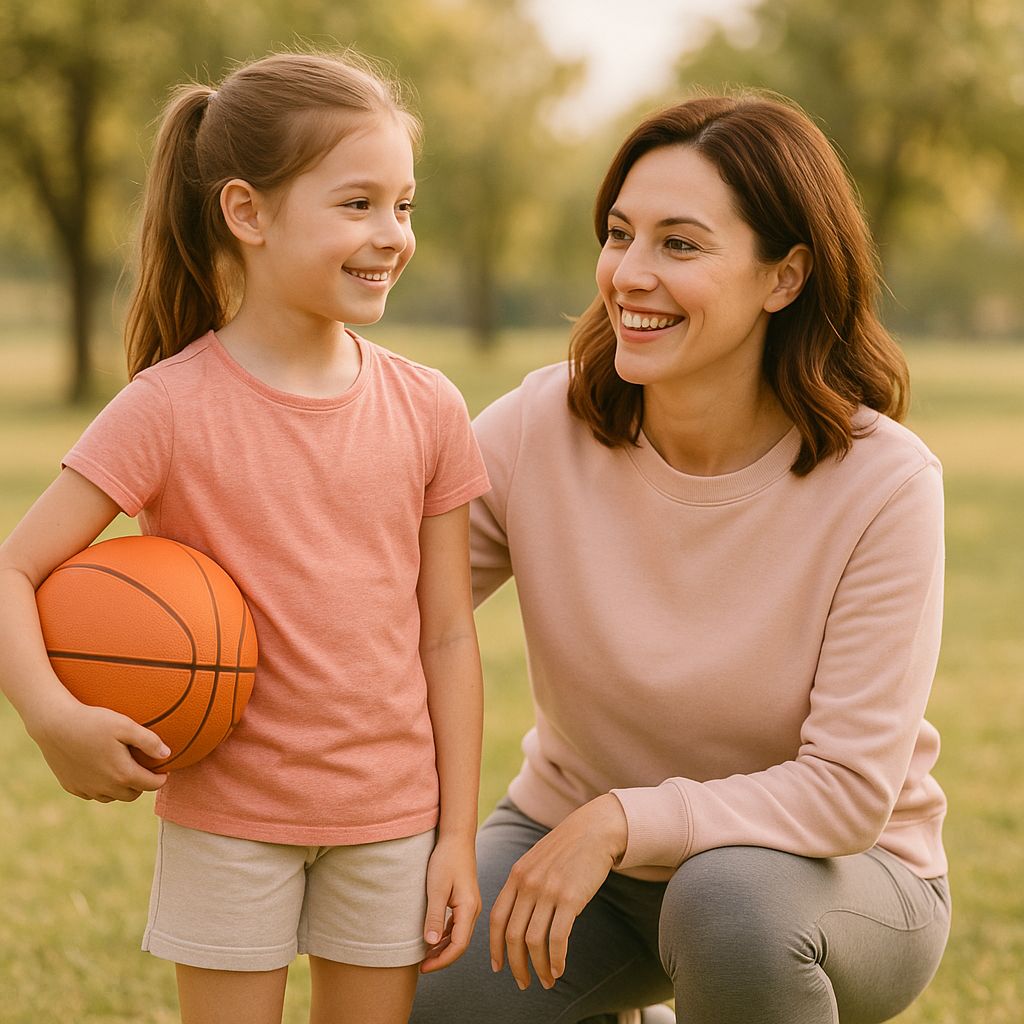
- Team sports (soccer, basketball, volleyball)
- Martial arts
- Dance or gymnastics classes
- Swimming lessons
- Skating or cycling clubs
Unstructured Active Play
- Playing tag or hide-and-seek
- Exploring parks or nature trails
- Jump rope or hopscotch
- Building obstacle courses at home
- Freestyle backyard games
Family Physical Activities
- Family walks or bike rides
- Weekend hikes or swims
- Playing catch or frisbee together
- Active chores (gardening, raking leaves)
Barriers to Physical Activity—and How to Overcome Them
Despite the clear benefits, many children do not meet the recommended activity levels. Common barriers include:
- Increased screen time (TV, tablets, video games)
- Lack of safe play spaces
- Overscheduled routines with little free time
- Limited access to sports or recreational programs
Practical Solutions for Parents
- Be a Role Model: Show your child that you value movement by being active yourself.
- Limit Screen Time: Establish screen-free zones and times.
- Prioritize Play: Schedule daily unstructured playtime.
- Encourage Variety: Let your child try different activities to find what they enjoy.
- Promote Social Activity: Invite friends or neighbors to join in active games.
- Make it Fun: Focus on enjoyment, not competition or perfection.
- Advocate: Work with schools and communities to improve access to safe play areas and programs.
Physical Activity and Academic Performance
Active kids are not just healthier—they’re better learners. Research shows that regular physical activity improves concentration, memory, and classroom behavior. Movement breaks during homework or lessons can help children process information more effectively and maintain focus.
Preventing Childhood Obesity and Chronic Diseases
Physical inactivity is a major contributor to childhood obesity, type 2 diabetes, and other chronic health issues. Encouraging daily movement helps regulate weight, improves metabolism, and sets the foundation for a lifetime of good health. Kids who develop active habits are less likely to face health issues as teenagers and adults.
Building Motor Skills and Physical Literacy
Between ages 8 and 10, children refine motor skills such as balance, coordination, and agility. Activities like climbing, skipping, and throwing challenge their bodies and brains, building the confidence to try new movements and sports. This physical literacy is crucial for lifelong participation in physical activity.
Supporting Emotional Resilience Through Active Play
Physical activity offers a healthy outlet for stress, frustration, and excess energy. It teaches children how to handle wins and losses, cooperate with peers, and persevere through challenges. These experiences foster emotional resilience and adaptability, skills that benefit children both now and in the future.
Tips for Parents: Making Physical Activity Part of Everyday Life
- Walk or bike to school together
- Turn chores into movement challenges
- Have a family dance party after dinner
- Celebrate progress, not perfection
- Let your child lead in choosing activities
- Join local sports or community events
Remember, the goal is to help children associate movement with fun, friendship, and self-confidence—not pressure or competition.
Conclusion: Movement is Medicine for Growing Kids
Physical activity for 8–10 year kids is foundational for their health, happiness, and development. By prioritizing movement, offering encouragement, and making activity a family affair, we give our children the tools they need to thrive—today and for years to come. Let’s empower the next generation with the joy and benefits of an active lifestyle!
Frequently Asked Questions
- How much physical activity do 8–10 year old kids need each day?
- Kids in this age group should be physically active for at least 60 minutes daily, including activities that strengthen muscles and bones.
- What types of physical activity are best for 8–10 year olds?
- A mix of aerobic activities (like running, cycling, swimming), muscle-strengthening (like climbing, gymnastics), and bone-strengthening (like jumping, skipping) is ideal. Both structured sports and free play are beneficial.
- How can parents encourage physical activity in their children?
- Lead by example, provide opportunities for movement, limit screen time, and make activities fun and social. Encouraging participation in family activities and community sports can also help.
- What are signs that a child is not getting enough physical activity?
- Signs include excessive screen time, low energy, weight gain, lack of interest in physical play, and trouble sleeping. Consult a pediatrician if concerned.
- Is physical activity linked to better academic performance?
- Yes! Studies show active children tend to have better concentration, memory, and classroom behavior, all of which support learning.