Unlocking the Importance of Early Learning in Toddlers
As parents, we often marvel at how quickly our toddlers absorb new words, imitate our actions, and explore their world with boundless curiosity. But beneath these adorable moments lies something profound: early learning is shaping the foundation of who they become. In this article, we’ll dive deep into why early learning matters so much for toddlers, how it influences their development, and practical strategies you can use to foster a love of learning every day.
Why Early Learning Matters: The Science Behind the Magic
Did you know that 90% of your child’s brain development occurs before the age of five? The toddler years—from 1 to 3—are a whirlwind of growth, both physically and mentally. Neural connections are being made at lightning speed, and every experience, big or small, shapes how your child thinks, feels, and interacts with the world.
Early learning isn’t just about teaching ABCs or counting to ten. It’s about nurturing curiosity, problem-solving skills, and social-emotional intelligence. Research shows that toddlers who engage in stimulating learning experiences are more prepared for school, have better language skills, and develop stronger relationships later in life.
The Building Blocks of Toddler Development
- Cognitive Skills: Early learning activities help toddlers develop memory, attention, reasoning, and creativity. Simple games like puzzles or sorting toys teach them how to think critically and solve problems.
- Language Skills: Talking, reading, and singing expose toddlers to new words. These interactions build vocabulary and literacy skills, laying the groundwork for reading and writing.
- Social-Emotional Skills: Group play and sharing teach toddlers empathy, cooperation, and emotional regulation. Early learning fosters self-confidence and resilience.
- Physical Skills: Activities like stacking blocks or drawing with crayons improve fine motor skills, while running and jumping refine gross motor abilities.
How Parents Influence Early Learning
Your role as a parent or caregiver is more powerful than you might realize. Toddlers learn best when they feel safe, loved, and encouraged. The everyday moments—snuggling while reading, laughing during play, or exploring the backyard—are packed with learning opportunities.
“Children are born ready to learn. What they experience in these early years sets the trajectory for their entire life.” — Dr. Laura Markham, child psychologist
Creating a Stimulating Environment
- Safe Spaces: Make your home a safe place for exploration. Baby-proofing allows your toddler to roam and discover without constant worry.
- Accessible Toys: Rotate toys so your child experiences novelty. Offer a mix of educational and imaginative play items.
- Open Communication: Talk to your toddler about everything—what you’re doing, what you see, what they’re feeling. Narrating daily life boosts language and comprehension.
Practical Strategies for Early Learning
Wondering how to weave learning into your daily routine? Here are parent-approved ideas that make early learning fun and natural:
1. Read Together Every Day
Reading is the single most important activity for toddler development. Make storytime a daily ritual. Let your toddler turn pages, point to pictures, and ask questions. Choose books with rhymes, repetition, and colorful illustrations.
2. Play, Play, Play
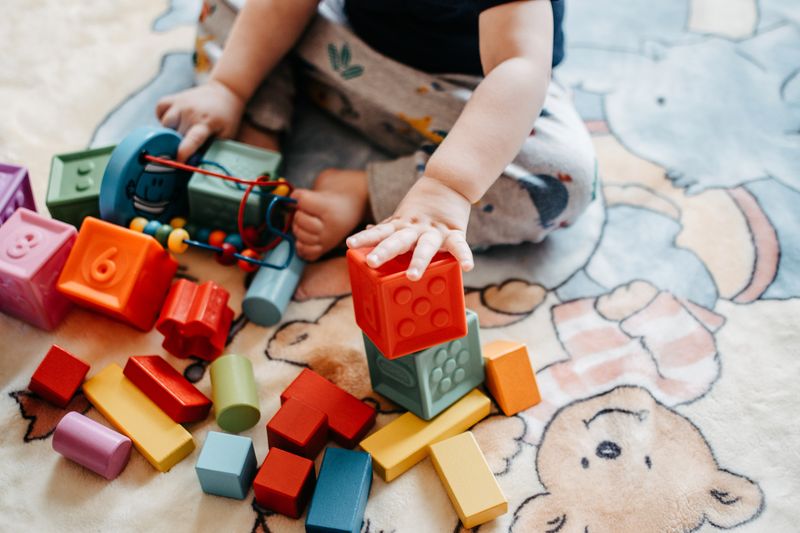
Play is a toddler’s job! Through play, they experiment, imitate, and create. Try building towers with blocks, playing pretend kitchen, or exploring sensory bins filled with rice or water.
3. Sing and Dance
Music stimulates multiple areas of the brain. Sing nursery rhymes, clap along, or dance together. Songs with actions (like “Itsy Bitsy Spider”) help with memory and coordination.
4. Explore the Outdoors
Nature walks teach toddlers about the world around them. Collect leaves, watch birds, or dig in the dirt. Ask questions and encourage observation.
5. Encourage Independence
Let your toddler try new things—even if it means messy meals or spilled paint. Simple tasks like putting on shoes or tidying toys build confidence and problem-solving skills.
Early Learning Activities for Toddlers
Here’s a list of engaging activities you can try at home:
- Shape Sorting: Use blocks or household items to sort by color, shape, or size.
- Counting Games: Count toys, snacks, or steps together.
- Imaginative Play: Set up a pretend store, doctor’s office, or kitchen.
- Art Time: Provide crayons, paper, and stickers. Let your toddler create freely.
- Simple Science: Pour water into different containers, observe melting ice, or plant seeds.
- Puzzles: Try simple jigsaw or shape puzzles appropriate for toddlers.
The Role of Early Childhood Education Programs
Many families choose preschool or daycare to supplement home learning. Quality early childhood education programs offer:
- Structured activities that build social, emotional, and cognitive skills.
- Qualified educators trained in child development.
- Opportunities for group play and learning with peers.
- Exposure to routines that prepare toddlers for kindergarten.
Look for programs that emphasize play-based learning, small group sizes, and positive relationships between staff and children.
Common Myths About Early Learning
- Myth: "Toddlers are too young to learn."
Truth: Toddlers are constantly learning through play, interaction, and observation. - Myth: "Early learning means pushing academics."
Truth: Early learning is about exploration, not formal instruction. It should be fun and developmentally appropriate. - Myth: "Only expensive toys or programs are effective."
Truth: Everyday moments and simple household items can be powerful learning tools.
Long-Term Benefits of Early Learning
The impact of early learning goes far beyond toddlerhood. Studies show that children who receive rich early learning experiences:
- Have stronger academic skills in school.
- Show better social and emotional adjustment.
- Are more likely to graduate and pursue higher education.
- Develop a lifelong love of learning.
Early learning isn’t just about preparing for kindergarten. It’s about nurturing the whole child—mind, heart, and body.
Tips for Busy Parents: Making Early Learning Work for You
- Integrate Learning into Daily Routines: Talk about colors while sorting laundry, count steps as you walk, or describe what you see during errands.
- Keep Sessions Short and Sweet: Toddlers have short attention spans. Aim for 15–30 minutes at a time, and repeat activities throughout the day.
- Follow Your Child’s Interests: If your toddler loves animals, read animal books and visit the zoo. Let their curiosity guide your activities.
- Celebrate Effort, Not Perfection: Praise your toddler for trying new things, not just for getting the “right” answer.
- Stay Positive: Learning should be joyful. Laugh, play, and make memories together.
Frequently Asked Questions
Why is early learning important for toddlers?
Early learning helps toddlers develop essential cognitive, emotional, and social skills. These formative years set the stage for future academic achievement and well-rounded personal growth.
What are some simple early learning activities I can do with my toddler?
Reading together, singing songs, playing with blocks, exploring nature, and engaging in imaginative play are excellent ways to support early learning in toddlers.
How does early learning impact brain development?
During the toddler years, the brain undergoes rapid growth. Early learning experiences stimulate neural connections, enhancing memory, language, and problem-solving abilities.
Can early learning prevent learning difficulties later?
While not all learning difficulties can be prevented, a rich early learning environment can reduce risks and help identify challenges early, enabling timely support.
How much time should I spend on early learning activities each day?
Short, frequent sessions—such as 15–30 minutes a few times a day—are ideal. Everyday moments like mealtimes and play also offer valuable learning opportunities.
Conclusion: Your Toddler’s Journey Starts Now
Early learning is a gift you give your toddler—a foundation for lifelong growth, happiness, and success. By nurturing curiosity, providing opportunities to explore, and celebrating their efforts, you’re helping your child bloom into their best self. Remember, every moment matters, and the journey is as important as the destination.
So, whether you’re reading a bedtime story, splashing in puddles, or singing silly songs, know that you’re building bright futures, one giggle at a time!