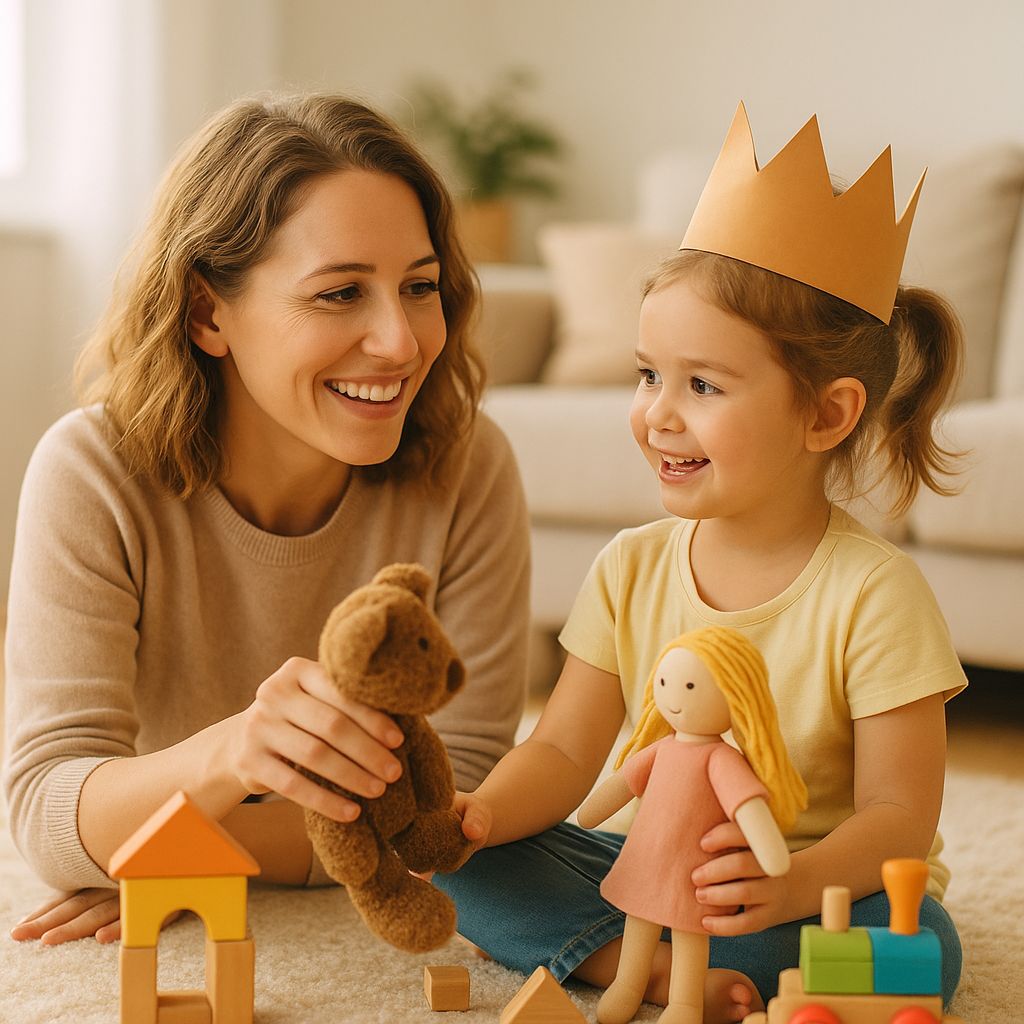

Imaginative Play Ideas to Boost Creativity in Preschoolers
Preschoolers are bursting with imagination, curiosity, and a natural drive to explore their world. As parents, caregivers, and educators, we have a golden opportunity to nurture creativity through imaginative play. Not only does this type of play foster creative thinking, but it also supports emotional, social, and cognitive development. In this comprehensive guide, we’ll dive into why imaginative play matters, share expert-approved play ideas, and offer practical tips for making creativity flourish at home.
Why Imaginative Play Matters for Preschoolers
Imaginative play, also known as pretend play or creative play, is when children invent scenarios, characters, and stories using their own ideas. Whether they’re pretending to be pirates, chefs, or superheroes, preschoolers are learning through every make-believe moment.
- Boosts Creativity: Children develop problem-solving skills and think outside the box.
- Enhances Language: Pretend play introduces new vocabulary and encourages expressive communication.
- Builds Social Skills: Playing with others teaches cooperation, empathy, and negotiation.
- Strengthens Emotional Intelligence: Kids explore feelings and situations in a safe, supportive environment.
- Supports Cognitive Growth: Imaginative play lays the foundation for abstract thinking and reasoning.
Expert-Approved Imaginative Play Ideas for Preschoolers
Ready to spark your child’s creativity? Here are creative, fun, and simple imaginative play ideas you can try at home or in preschool settings:
1. Dress-Up & Role Play
- Dress-Up Box: Fill a box with old hats, scarves, aprons, and costumes. Encourage your child to invent characters—doctors, firefighters, princesses, or astronauts.
- Role Play Scenarios: Set up play spaces like a pretend grocery store, vet clinic, or restaurant. Let your child take the lead!
2. Storytelling Adventures
- Story Stones: Paint simple pictures on small rocks. Children pick stones and weave them into a story.
- Story Circle: Gather family members and take turns adding to a story. Let your preschooler guide the plot!
3. Puppet Shows
- DIY Puppets: Make puppets from socks, paper bags, or craft sticks. Kids can invent characters and put on a show.
- Puppet Theater: Use a cardboard box or a table draped with a cloth for a stage. Provide props and let the stories unfold!
4. Building Forts & Spaceships
- Fort Building: Use cushions, blankets, and chairs to create cozy forts. These can become castles, caves, or spaceships.
- Space Missions: Pretend to travel to the moon or explore distant planets using boxes and household items.
5. Pretend Cooking & Restaurant Play
- Pretend Kitchen: Use play food, pots, and pans to create delicious imaginary meals.
- Restaurant Role Play: Set up a café where your preschooler is the chef, server, or customer.
6. Animal Adventures
- Safari Explorer: Pretend to go on a safari, using stuffed animals and homemade binoculars.
- Pet Clinic: Set up a vet’s office and take care of toy pets.
7. Treasure Hunts & Secret Missions
- Indoor Treasure Hunt: Hide small toys or treats and provide clues or a map.
- Secret Agent Missions: Write secret messages and have your child solve mysteries around the house.
8. Art & Craft Imaginative Play
- Cardboard Creations: Use boxes to build cars, boats, or houses.
- Fantasy World Dioramas: Make scenes from your child’s favorite stories using recycled materials and art supplies.
9. Outdoor Imaginative Play
- Garden Explorers: Pretend to be botanists, searching for magical plants or insects.
- Nature Kitchen: Use leaves, sticks, mud, and pebbles to cook up imaginary recipes.
How to Encourage Imaginative Play at Home
Creating an environment that nurtures creativity doesn’t require expensive toys or elaborate setups. Here’s how you can support imaginative play every day:
- Offer Open-Ended Toys: Blocks, dolls, art supplies, and dress-up clothes allow for endless possibilities.
- Limit Screen Time: Too much structured entertainment can hinder imagination. Prioritize hands-on, active play.
- Make Time for Free Play: Avoid over-scheduling. Allow your child regular, unstructured time to play.
- Participate and Observe: Join in the fun or watch your child invent scenarios. Ask questions and follow their lead.
- Create Play Zones: Set aside a space where messes are okay and creativity can flourish.
Benefits of Imaginative Play for Child Development
Imaginative play is more than just fun—it’s a cornerstone of healthy development. Research shows that children who engage in regular creative play:
- Develop better language and communication skills
- Are more resilient and adaptable
- Show increased empathy and emotional awareness
- Perform better in problem-solving and academic tasks
Preschool years are a critical window for building the foundation of lifelong learning. Imaginative play helps children explore the world, express themselves, and connect with others in meaningful ways.
Common Challenges and Solutions
Sometimes, parents worry their child isn’t imaginative or needs more guidance. Here are some tips for overcoming common challenges:
- My child prefers structured activities: Start with simple, guided pretend play. Gradually offer more open-ended scenarios and let your child take charge.
- My child gets bored quickly: Rotate toys and props, introduce new themes, or invite friends for collaborative play.
- Imaginative play gets messy: Designate a play area and involve your child in cleanup. Creativity often thrives in messes!
Imaginative Play Ideas for Every Personality
Every preschooler is unique. Some may love acting out stories, while others prefer building or crafting. Here’s how to tailor imaginative play to your child’s interests:
- The Storyteller: Provide books, story stones, and costumes.
- The Builder: Offer blocks, cardboard, and loose parts for constructing worlds.
- The Performer: Encourage puppet shows, music, and dance.
- The Explorer: Set up nature hunts, science experiments, and outdoor adventures.
Quick Tips: Nurturing Creativity Every Day
- Ask open-ended questions: "What happens next?" or "Who are you pretending to be?"
- Celebrate your child’s ideas, no matter how wild.
- Share your own imaginative play memories.
- Let your child lead play sessions—follow their imagination!
- Encourage group play for social creativity.
Imaginative Play and School Readiness
Imaginative play is linked to important skills for preschoolers entering kindergarten. Through creative play, children build:
- Language and storytelling abilities
- Self-confidence and independence
- Collaboration and teamwork
- Ability to cope with new situations and emotions
Conclusion: Let Creativity Take Flight!
Imaginative play is one of the most joyful and effective ways to help your preschooler grow. By offering open-ended opportunities, participating in their stories, and celebrating their creativity, you’ll set the stage for a lifetime of learning and confidence. Whether you’re building forts, hosting puppet shows, or simply letting your child lead the way, every playful moment is a step towards a brighter, more creative future.
If you’re looking for more playful inspiration, check out our other preschool activity guides and share your own creative ideas in the comments!
Frequently Asked Questions
- Why is imaginative play important for preschoolers?
- Imaginative play encourages creativity, problem-solving, and emotional expression. It helps preschoolers develop cognitive, social, and language skills in a fun and meaningful way.
- How can I encourage imaginative play at home?
- Offer open-ended toys, create themed play spaces, participate in storytelling, and allow your child to lead play scenarios. Avoid over-scheduling and let them have time for free play.
- What are some simple imaginative play ideas for preschoolers?
- Pretend cooking, dress-up, building forts, puppet shows, and storytelling sessions are easy and effective ways to spark creativity in preschool-aged children.
Let your child’s imagination run wild—you’ll be amazed at what they create!