
Identifying Signs of Overstimulation in Babies: A Parent’s Guide
Every parent wants their baby to thrive, learn, and feel secure. But as your little one explores the world, their senses are bombarded with new sounds, sights, and experiences. While many of these are positive, babies can quickly become overstimulated. Spotting the signs of overstimulation early is essential for supporting your child’s wellness and happiness.
What Is Overstimulation?
Overstimulation occurs when a baby’s developing nervous system is exposed to more sensory input than it can comfortably process. This can happen in busy places, during playtime, or even while interacting with loved ones. Because babies are still learning to handle sensory information, their tolerance is much lower than that of adults or older children.
Why Are Babies So Sensitive?
Babies’ brains and bodies are in rapid development. Their senses—sight, sound, touch, smell, and taste—are all new, and their ability to regulate emotions and responses is limited. Even everyday environments can feel overwhelming when you’re experiencing them for the first time.
- Newborns (0–3 months) are particularly sensitive to light, sound, and touch.
- Older infants (4–12 months) are curious but still easily overwhelmed, especially during growth spurts.
Common Signs of Overstimulation in Babies
Recognizing when your baby has had enough is key to helping them reset and find calm. Here are the most frequent signs:
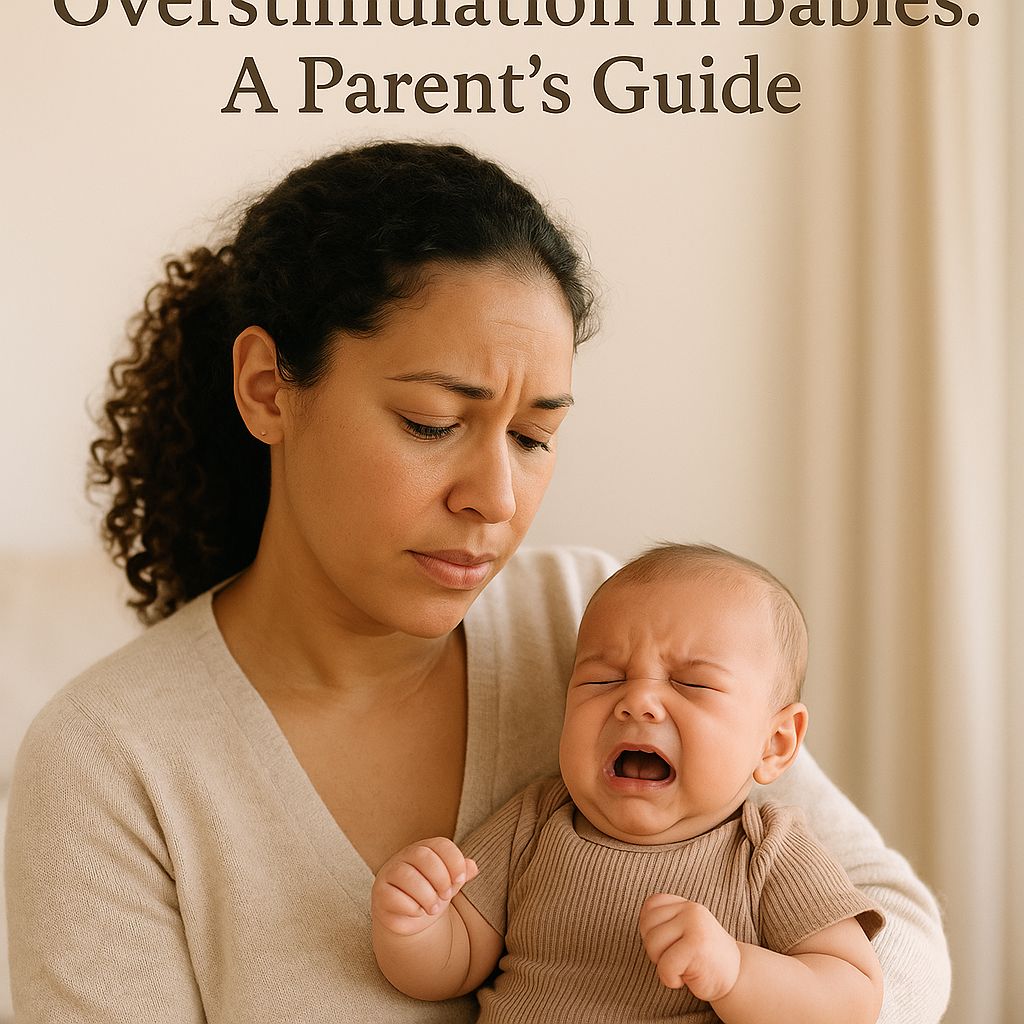
- Fussiness and Crying
The most obvious sign, but crying can range from mild whimpers to inconsolable sobbing. If your baby suddenly becomes fussy after exposure to busy environments or prolonged activity, overstimulation may be the cause. - Turning Away or Avoiding Eye Contact
Babies may turn their head, arch their back, or look away from people or objects when they are overwhelmed. - Clenched Fists or Tensed Body
Physical signs, like stiffening, clenching fists, or kicking legs, indicate discomfort. - Difficulty Sleeping or Feeding
Overstimulation can disrupt routines. Babies may struggle to fall asleep, wake frequently, or refuse to nurse or take a bottle. - Yawning, Rubbing Eyes, or Pulling Ears
Subtle cues like yawning or rubbing eyes may signal that your baby needs a break. - Sudden Startling or Flinching
Loud sounds or bright lights can make babies jump or flinch. - Red Face or Rapid Breathing
Some babies respond physically with flushed cheeks or faster breathing. - Excessive Movement
Kicking, waving arms, or wriggling can be a way for babies to cope with sensory overload.
Why Does Overstimulation Happen?
Babies are surrounded by stimuli—noises from toys, chatter from family, music, screens, or even the natural hustle of daily life. While interaction is vital for development, too much at once can overwhelm your baby’s senses.
- Busy environments: Shopping malls, gatherings, or noisy playgroups can be too much.
- Long periods of activity: Babies need downtime between play, feeding, and socializing.
- Multiple caregivers: When several people engage with your baby at once, it can be overstimulating.
Temperament Matters
Every baby is unique. Some are naturally more sensitive and require gentler routines. Others are more resilient. Observing your baby’s personality and reactions helps tailor your approach.
How to Help an Overstimulated Baby
If you notice signs of overstimulation, don’t worry—you can help your baby find calm. Here are expert strategies:
1. Remove the Source
Gently take your baby out of the stimulating environment. Move to a quiet, dimly-lit room or a cozy corner away from noise and activity.
2. Offer Comfort
- Hold your baby close. Skin-to-skin contact can be deeply calming.
- Swaddle your baby if they’re younger than 4 months.
- Rock gently or walk slowly while holding your baby.
- Speak softly or sing a lullaby.
3. Create a Calm Environment
- Dim the lights.
- Turn off background noise like TV or music.
- Limit visual clutter (toys, mobiles, bright colors).
- Use white noise if your baby finds it soothing.
4. Follow Your Baby’s Cues
Observe and respond to your baby’s needs. Sometimes, a brief cuddle is enough; other times, your baby may need a longer period of quiet.
5. Establish Gentle Routines
Consistent routines help babies feel secure and reduce the chances of overstimulation. Keep feeding, play, and sleep times regular and predictable.
6. Limit Exposure to Crowds and Screens
Babies are sensitive to crowds and screens. Limit outings and avoid screen time until at least 18 months, as recommended by pediatric experts.
Preventing Overstimulation: Practical Tips
Prevention starts with understanding your baby’s unique limits and needs. Here are practical steps:
- Watch for Early Cues: Notice when your baby starts to disengage or become fussy.
- Break Up Activities: Allow your baby time to rest between play and social interaction.
- Keep Outings Short: Limit the duration of trips to busy places.
- Choose Gentle Toys: Opt for toys with soft colors and textures; avoid those with loud sounds or flashing lights.
- Allow Quiet Time: Even a few minutes of quiet, cuddling, or gentle rocking can help your baby reset.
When to Seek Help
While most babies recover quickly from overstimulation, some may have ongoing struggles. If you notice persistent difficulties with sleep, feeding, or emotional regulation, consult your pediatrician. They can help rule out underlying medical or developmental issues and provide guidance.
Supporting Your Baby’s Wellness
Your love and responsiveness are the most powerful tools for supporting your baby’s emotional health. By identifying signs of overstimulation and responding promptly, you help your baby learn to cope, find calm, and feel secure.
Remember, every baby is unique. Some days will be easier than others. Trust your instincts, observe your child closely, and don’t hesitate to seek support if you need it.
Parent Stories: Real-Life Experiences
“When my daughter was two months old, she would cry after family gatherings. At first, I thought she was hungry or tired, but then I noticed she’d turn away from people and rub her eyes. Now, I plan shorter visits and give her breaks. She’s happier, and I feel more confident.” — Sarah, parent of 3-month-old
“We learned that our son needed quiet time after playdates. He’d clench his fists and whimper until we took him to his nursery. Within minutes of gentle rocking, he’d settle down. Knowing these signs made all the difference.” — James, parent of 6-month-old
Frequently Asked Questions
- What causes overstimulation in babies?
- Overstimulation can occur when a baby is exposed to too much sensory input—such as loud noises, bright lights, busy environments, or even prolonged interaction. Their developing nervous systems are sensitive, and they may struggle to process all the information, leading to fussiness or discomfort.
- How can I calm my overstimulated baby?
- Gently remove your baby from the source of stimulation, offer a quiet and dim space, and use soothing techniques like gentle rocking, swaddling, or soft singing. Stay calm yourself, as your baby senses your emotions. Sometimes, simply holding your baby close can provide comfort.
- Are some babies more prone to overstimulation?
- Yes, temperament plays a role. Some babies are naturally more sensitive to sensory input. Factors like age, feeding patterns, and sleep cycles also impact how easily a baby may be overstimulated. Observing your child’s unique responses helps tailor your approach.
- Is overstimulation harmful in the long term?
- Occasional overstimulation is normal and not harmful. However, frequent or intense overstimulation without relief may affect sleep, feeding, and emotional well-being. Providing a calm, responsive environment helps support healthy development.
- How can I prevent overstimulation?
- Watch your baby’s cues, limit exposure to loud or crowded environments, and establish gentle routines. Allow time for quiet breaks throughout the day. Each baby is different, so adapt your approach based on their needs.
Final Thoughts
Identifying signs of overstimulation in babies is a powerful way to nurture their emotional and physical wellness. With gentle routines, mindful observation, and loving support, you can help your baby navigate the world with confidence and ease. Trust yourself, embrace your child’s unique journey, and know that calm is always within reach.
If you have concerns or need guidance, reach out to your pediatrician or a child development specialist. You’re not alone—parenting is a journey best traveled together.