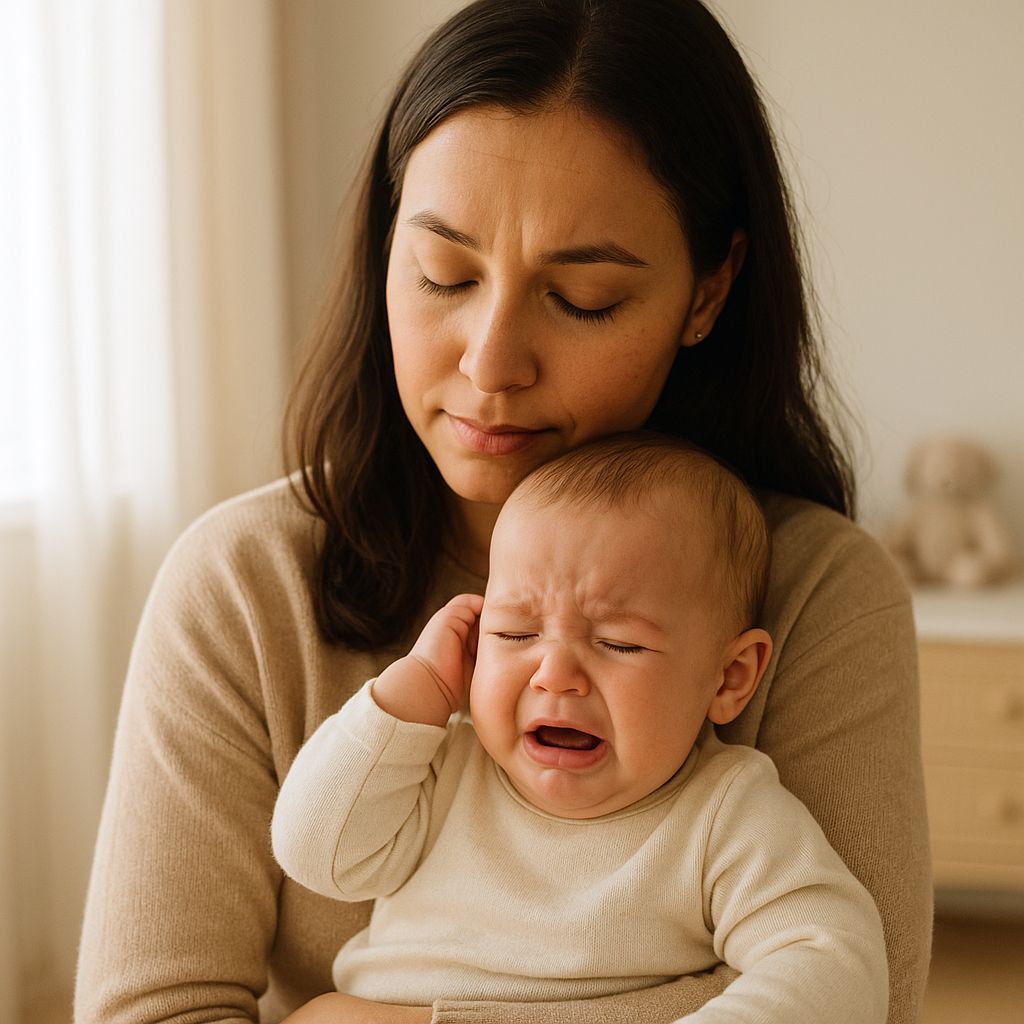

How Weather Affects Baby Mood and Behavior: A Parent’s Guide
As parents, we’re constantly tuning into our babies’ needs—feeding, changing, soothing, and snuggling. But there’s one factor that often slips under the radar: the weather. Believe it or not, shifts in temperature, humidity, and sunlight can have a profound effect on your baby’s mood and behavior. Let’s dive into how weather affects baby mood, why it happens, and what you can do to help your little one thrive in any season.
Why Are Babies So Sensitive to Weather?
Babies are still developing their ability to regulate body temperature and adjust to environmental changes. Unlike adults, their bodies aren’t as efficient at maintaining a stable internal environment. This sensitivity means that even mild weather fluctuations can have noticeable effects on how your baby feels and behaves.
- Temperature: Babies lose heat more quickly than adults and can overheat just as easily. Extreme temperatures can make them uncomfortable and cranky.
- Humidity: High humidity can cause sweating and discomfort, while low humidity may dry out their skin and airways.
- Sunlight: Light exposure helps regulate sleep-wake cycles. Overcast or rainy days can throw off this rhythm.
Weather and Baby Behavior: What to Expect
Let’s break down how different weather conditions might influence your baby’s mood and actions:
1. Hot Weather
- Increased Fussiness: Overheating can make babies irritable and restless. They may cry more or resist naps.
- Feeding Changes: Babies may want to feed more frequently to stay hydrated, or less if they feel unwell.
- Sleep Disruptions: High temperatures can interrupt sleep, leading to shorter naps or frequent waking.
2. Cold Weather
- Clinginess: Babies may seek extra cuddles for warmth and comfort.
- Lower Activity: Cold can make babies sleepy or less active.
- Feeding Patterns: Some babies eat more during colder months as their bodies use more energy to stay warm.
3. Rainy or Gloomy Weather
- Mood Swings: Lack of sunlight can affect melatonin and serotonin levels, leading to more fussiness or lethargy.
- Sleep Changes: Darker days can disrupt circadian rhythms, making naps unpredictable.
- Less Outdoor Play: Babies may miss out on fresh air and stimulation, which can impact their mood.
4. Windy Weather
- Startle Reflex: Loud wind noises or sudden drafts can startle babies, making them anxious or jumpy.
- Dry Skin & Irritation: Wind can dry out sensitive skin, leading to discomfort and irritability.
The Science Behind Weather and Baby Mood
Research has shown that weather affects baby mood in several ways. Here’s what science tells us:
- Sunlight Exposure: Natural light influences the production of melatonin, a hormone that regulates sleep. Babies exposed to sunlight tend to sleep better and are less fussy.
- Temperature Regulation: Babies’ bodies struggle to adapt to rapid temperature changes. Discomfort from being too hot or cold can lead to crying or sleep issues.
- Humidity and Air Quality: High humidity can make breathing harder, while dry air can cause congestion or skin dryness. Both can affect mood and behavior.
One study found that babies born in the winter months were more prone to sleep disturbances, while those born in spring and summer showed fewer mood swings. Another study linked low sunlight exposure during gloomy months to increased irritability in infants.
Practical Tips for Managing Weather-Related Mood Swings
The good news? You can take action to help your baby feel comfortable no matter what Mother Nature throws your way.
1. Keep the Environment Comfortable
- Maintain a room temperature between 68-72°F (20-22°C), using fans or heaters as needed.
- Use a humidifier in dry seasons to prevent skin irritation and congestion.
- Dress your baby in breathable layers for easy adjustment.
2. Adjust Sleep Routines
- Use blackout curtains to mimic nighttime during gloomy days.
- Try white noise machines to mask wind or rain sounds.
- Follow a consistent bedtime routine to help your baby settle despite weather changes.
3. Get Sunlight When Possible
- Expose your baby to natural light during the day—even short walks can boost their mood.
- Open windows or blinds to let sunlight in, especially during winter or rainy weather.
4. Hydration and Nutrition
- Offer frequent feedings in hot weather to prevent dehydration.
- Monitor for signs of dehydration (less wet diapers, dry mouth).
- Use cooling foods like chilled purees for older babies during heat waves.
5. Skin Protection
- Apply baby-safe sunscreen for sunny days.
- Use gentle moisturizers to combat dryness in cold or windy weather.
Weather and Developmental Milestones
Weather doesn’t just affect mood—it can influence developmental milestones too. Babies tend to explore more and reach mobility milestones faster during warmer months, thanks to increased outdoor play and stimulation. On the flip side, cold or stormy weather may limit activity, requiring parents to get creative with indoor play.
Indoor Play Ideas for Bad Weather
- Tummy time: Lay out blankets and toys for floor play.
- Interactive books: Brightly colored board books are perfect for rainy days.
- Music and movement: Dance with your baby or play soft music for stimulation.
Recognizing Signs That Weather Is Affecting Your Baby
Not sure if weather is the culprit? Watch for these signs:
- Unusual fussiness or crying
- Changes in sleep patterns
- Feeding more or less than usual
- Dry skin, congestion, or sweating
- Clinginess or withdrawal
If you notice these symptoms during specific weather events, it’s likely your baby is reacting to environmental changes.
When to Seek Help
Most weather-related mood swings are harmless, but some signs warrant a call to your pediatrician:
- Persistent irritability or inconsolable crying
- Signs of dehydration (few wet diapers, sunken eyes)
- Sleep disturbances lasting more than a few days
- Rashes, hives, or breathing difficulties
Parenting Through the Seasons: Quick Checklist
| Season | Common Mood Changes | Parent Tips |
|---|---|---|
| Spring | More energy, allergies possible | Keep windows open for fresh air, monitor pollen counts |
| Summer | Fussiness, dehydration risk | Offer frequent fluids, use sun protection, cool indoor spaces |
| Fall | Variable moods, sleep changes | Layer clothing, maintain routines, adjust sleep schedule |
| Winter | Sleepiness, clinginess | Use humidifiers, dress warmly, maximize indoor play |
Conclusion: Embracing the Weather’s Role in Babyhood
Weather is a powerful—but often overlooked—factor in your baby’s daily life. By tuning into how weather affects baby mood and behavior, you’ll be better equipped to comfort, nurture, and support your little one through every season. Remember, a little preparation goes a long way. Whether it’s bundling up for a chilly walk or cooling off during a heat wave, your attention to weather-related needs will help your baby grow, giggle, and thrive all year round.
Frequently Asked Questions
- Can weather really affect my baby's mood?
- Absolutely! Babies are sensitive to environmental changes, including temperature, humidity, and light. These factors can influence their comfort, sleep, and overall mood.
- How can I help my baby during extreme weather?
- Dress your baby appropriately, maintain a comfortable indoor environment, and adjust daily routines as needed. Ensure proper hydration and use blackout curtains or white noise to help with sleep disruptions.
- Does rainy weather make babies fussier?
- Rainy or gloomy weather can reduce sunlight exposure, affecting babies’ circadian rhythms and mood. Some babies become more irritable or sleepy during prolonged periods of rain.
- What signs should I look for to know if weather is affecting my baby?
- Look for changes in sleep patterns, feeding, fussiness, or unusual tiredness. If your baby seems uncomfortable or irritable during weather shifts, it’s likely weather is a contributing factor.
Want more seasonal parenting advice? Follow Growing Giggles for expert tips on raising happy, healthy babies—whatever the weather!