How to Rotate Baby Essentials as Your Baby Grows: A Complete Guide for Parents
Babies change at lightning speed—and so do their needs! One day, you’re stocking up on swaddles and burp cloths, and the next you’re wondering what to do with that mountain of outgrown onesies. If you’ve ever felt overwhelmed by the sheer volume of baby gear, you’re not alone. Rotating baby essentials is the secret to keeping your home organized, your baby comfortable, and your sanity intact.
Why Rotating Baby Essentials Matters
Babies outgrow clothes, toys, and gear at an astonishing rate. Regularly rotating and updating your baby’s essentials is important for several reasons:
- Space Saving: Avoid clutter by storing or donating items your baby no longer needs.
- Safety: Gear that’s too small or developmentally inappropriate can become a hazard.
- Efficiency: Easily access only what you need for your baby’s current stage.
- Cost-Effectiveness: Reuse and repurpose items for siblings or friends, saving money in the long run.
Understanding Baby Essentials by Age & Stage
Let’s break down baby essentials by key developmental stages and discuss when and how to rotate items. Every baby is unique, so use these as flexible guidelines based on your child’s growth and milestones.
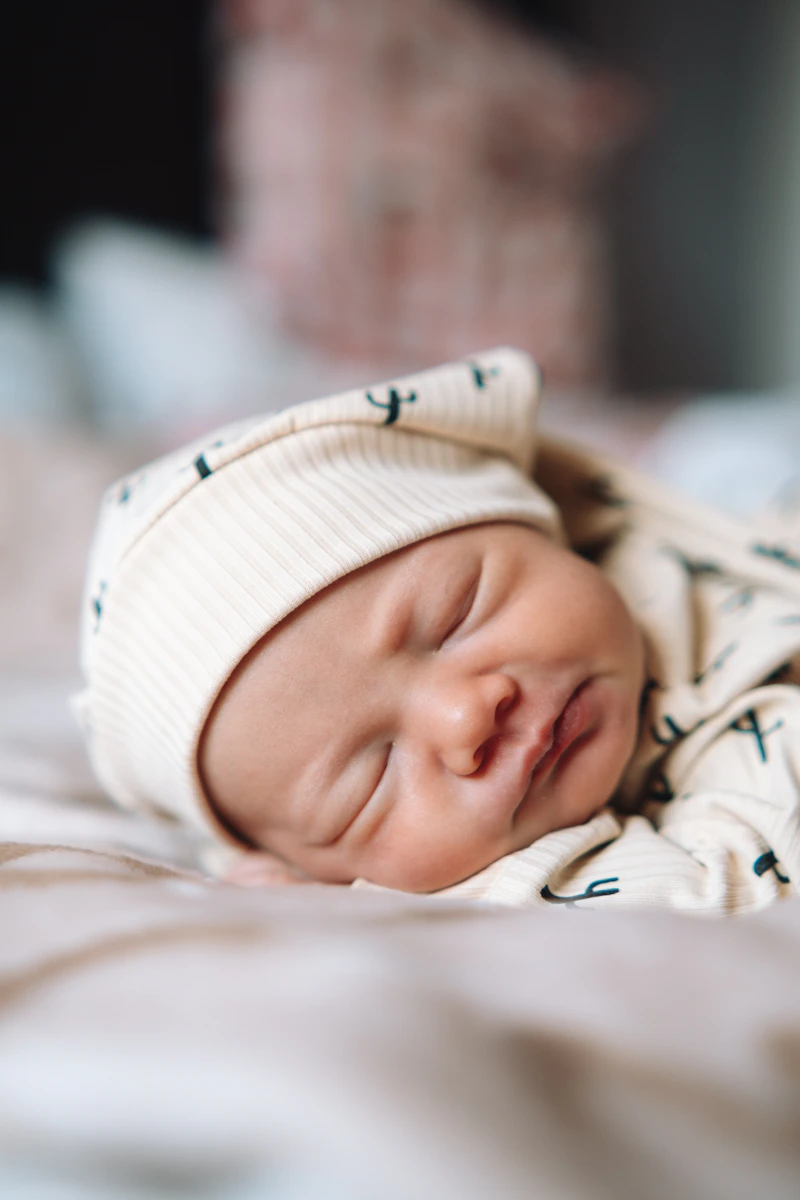
0-3 Months: The Newborn Phase
- Essentials: Newborn diapers, swaddles, onesies (0-3 months), mittens, hats, burp cloths, bassinet, bottle/breastfeeding supplies, pacifiers.
- Rotation Tips: Babies outgrow newborn clothes fast! Sort and store pieces weekly. As your baby hits 3 months or 12-13 lbs, swap out smaller swaddles and onesies for the next size up.
3-6 Months: Gaining Strength & Awareness
- Essentials: 3-6 month clothing, sleep sacks (instead of swaddles), larger diapers, soft toys, tummy time mats, teething toys, larger bottles (if bottle-feeding).
- Rotation Tips: Move out outgrown newborn items. Introduce age-appropriate toys and gear. Assess pacifiers and bottle nipples for correct size and replace as needed.
6-9 Months: On the Move
- Essentials: 6-9 month clothing, crawling-safe play mats, baby-proofing items, high chair, sippy cups, early feeding gear, larger sleep sacks, interactive toys.
- Rotation Tips: Remove any clothing or gear your baby has outgrown. Begin rotating in feeding essentials as solids are introduced. Baby-proof your home and cycle out newborn-specific toys.
9-12 Months: Cruising & Curiosity
- Essentials: 9-12 month clothing, walking shoes (if appropriate), activity tables, advanced baby-proofing, feeding utensils, larger bibs, board books.
- Rotation Tips: Remove outgrown play mats, infant carriers, and small baby toys. Rotate in more complex toys and books that encourage movement and learning.
12 Months & Beyond: Toddler Transitions
- Essentials: 12-18 month clothing, toddler bedding, convertible car seat, step stools, potty training supplies, larger toys, child-safe furniture.
- Rotation Tips: Store or donate baby gear like swings, bouncers, and infant car seats. Rotate in toddler-friendly products and update organization systems to match your child’s growing independence.
How to Rotate Baby Essentials: Step-by-Step
- Inventory What You Have
Make a master list or spreadsheet of all your baby essentials. Group by category: clothing, feeding, sleep, play, safety, etc. This helps you see what you have, what you need, and what can go. - Sort by Size & Age
Use clear labels (by size or age—e.g., 0-3M, 3-6M) for clothes, bottles, pacifiers, and gear. This makes it easy to grab what you need and store outgrown items quickly. - Set a Rotation Schedule
Plan to review and rotate essentials every 2-3 months or at each major milestone (rolling, sitting, crawling, walking, starting solids, etc.). Calendar reminders can help! - Store Outgrown Items Efficiently
Use vacuum bags, storage bins, or under-crib storage. Label everything, and keep similar items together. For sentimental or hand-me-down items, store in a separate, easily accessible spot. - Donate or Sell Unneeded Gear
If you’re done with a stage and don’t plan to reuse items, consider donating to local charities, shelters, or selling on parent groups. This keeps your home clutter-free and helps others. - Update Your Essentials Checklist
As you rotate, update your checklist or inventory. Note what needs replacing or upgrading and plan ahead for upcoming stages.
Smart Storage Solutions for Rotating Baby Essentials
- Clear Bins with Labels: Store clothing, toys, and gear by size and stage. Stackable bins save space and make future access easy.
- Vacuum Storage Bags: Perfect for bulky items like blankets, sleep sacks, and extra bedding.
- Under-Crib Storage: Utilize the space under your baby’s crib for bins or drawers to store rarely used or outgrown items.
- Hanging Closet Organizers: Segment current and next-size-up clothes for easy access.
- Checklists & Inventory Apps: Use digital tools or printables to track what you have and what’s stored away.
Product Recommendations for Every Stage
| Stage | Must-Have Essentials | Recommended Storage |
|---|---|---|
| Newborn (0-3M) | Swaddles, bassinet, newborn diapers, mittens | Labeled bins, under-crib drawers |
| Infant (3-6M) | Sleep sacks, teething toys, larger bottles | Vacuum bags, closet shelves |
| Older Infant (6-12M) | High chair, sippy cups, baby-proofing gear | Clear stackable bins, labeled baskets |
| Toddler (12M+) | Convertible car seat, toddler bed, potty gear | Storage ottomans, closet organizers |
Organization Hacks: Real-World Parent Tips
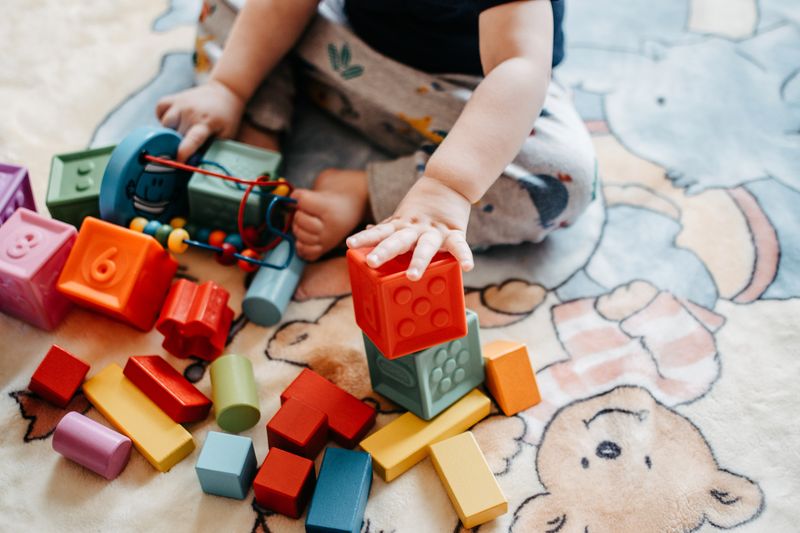
- Rotate Toys Monthly: Keep a small basket of current favorites and rotate in new ones to keep play fresh and reduce clutter.
- Set Up "Next Size" Bins: Have a labeled bin for the next size up in clothing and shoes, so you’re never caught off-guard by a growth spurt.
- Declutter During Naptime: Use short windows of free time to quickly sort and store outgrown items.
- Keep Donation Bag Handy: Place a bag or box in the nursery for outgrown clothes or toys—when it’s full, it’s time to donate!
- Photograph Sentimental Items: If you’re short on space, take photos of special outfits or gear before donating or storing them for memory’s sake.
Common Rotation Mistakes (and How to Avoid Them)
- Keeping Everything: Sentimental attachment is normal, but be practical. Keep only what you’ll truly reuse or treasure, and let the rest go.
- Waiting Too Long: Don’t wait until you’re overwhelmed by clutter. Set regular reminders to rotate essentials.
- Forgetting Safety Checks: Always inspect gear for recalls, wear and tear, and ensure it meets current safety standards before reusing.
- Not Labeling Storage: Unlabeled bins become black holes. Label everything with size, season, and stage.
Preparing for the Next Baby (or Not)
If you’re planning to grow your family, rotation and organized storage make it easy to reuse high-quality essentials. If not, your system makes it simple to pass on what you no longer need—helping other families and freeing up your space.
Conclusion: Embrace the Rotation Routine
Rotating baby essentials may seem like just another chore, but it’s a true game-changer. With a little planning and the right organization systems, you’ll be ready for every growth spurt and milestone—without the stress. Remember, the goal isn’t to keep up with every trend or have every gadget, but to make life easier for you and your growing giggler.
Happy rotating—and enjoy every stage!
FAQs on Rotating Baby Essentials
- How often should I rotate baby essentials?
- You should assess your baby’s needs every 2-3 months or at major milestones. Adjust your essentials accordingly to keep your home clutter-free and your baby comfortable.
- Should I keep all outgrown baby items?
- Only keep what you plan to use for future children or for sentimental reasons. Donate or sell items still in good condition to save space and help other families.
- How can I organize baby essentials efficiently?
- Use labeled bins, vacuum storage bags, and under-crib storage to keep items organized by stage. Keep a checklist or inventory to track what you have and what you need.
- What are the most important baby essentials to rotate?
- Key items include clothing, feeding equipment, sleep gear, toys, and safety products. As your baby grows, swap out items that are too small or developmentally inappropriate.
- When should I transition to toddler essentials?
- Transition as your child nears their first birthday and shows signs of outgrowing infant gear—this is typically around 12-18 months, but always consider your child’s developmental pace.