
How to Prevent Overdressing Your Baby: A Seasonal Guide for Parents
Parenting comes with countless decisions, and one that seems simple—but is surprisingly tricky—is how to dress your baby. With changing seasons, fluctuating temperatures, and your own instincts tugging at you to keep your little one warm, it’s easy to accidentally overdress your baby. Overdressing isn’t just about comfort; it can cause health risks, including overheating, dehydration, and even sudden infant death syndrome (SIDS). So, how do you strike the perfect balance between keeping your baby cozy and preventing overdressing?
Understanding Baby Temperature Regulation
Babies, especially newborns, aren’t as efficient at regulating their body temperature as adults. Their skin is thinner, and their bodies lose heat faster. However, too many layers or heavy clothing can quickly tip the scales and cause overheating. The key is to monitor your baby’s cues and adjust their clothing accordingly.
Why Overdressing Is Risky
- Overheating: Excess warmth can cause dehydration and increase the risk of SIDS.
- Discomfort: Babies may become fussy or restless if they’re too warm.
- Skin Issues: Sweating can lead to heat rash or eczema flare-ups.
Signs Your Baby Is Overdressed
Babies can’t tell us when they’re uncomfortable, so it’s up to parents to spot the signs:
- Flushed cheeks or red skin
- Excessive sweating (especially around the neck or head)
- Rapid breathing
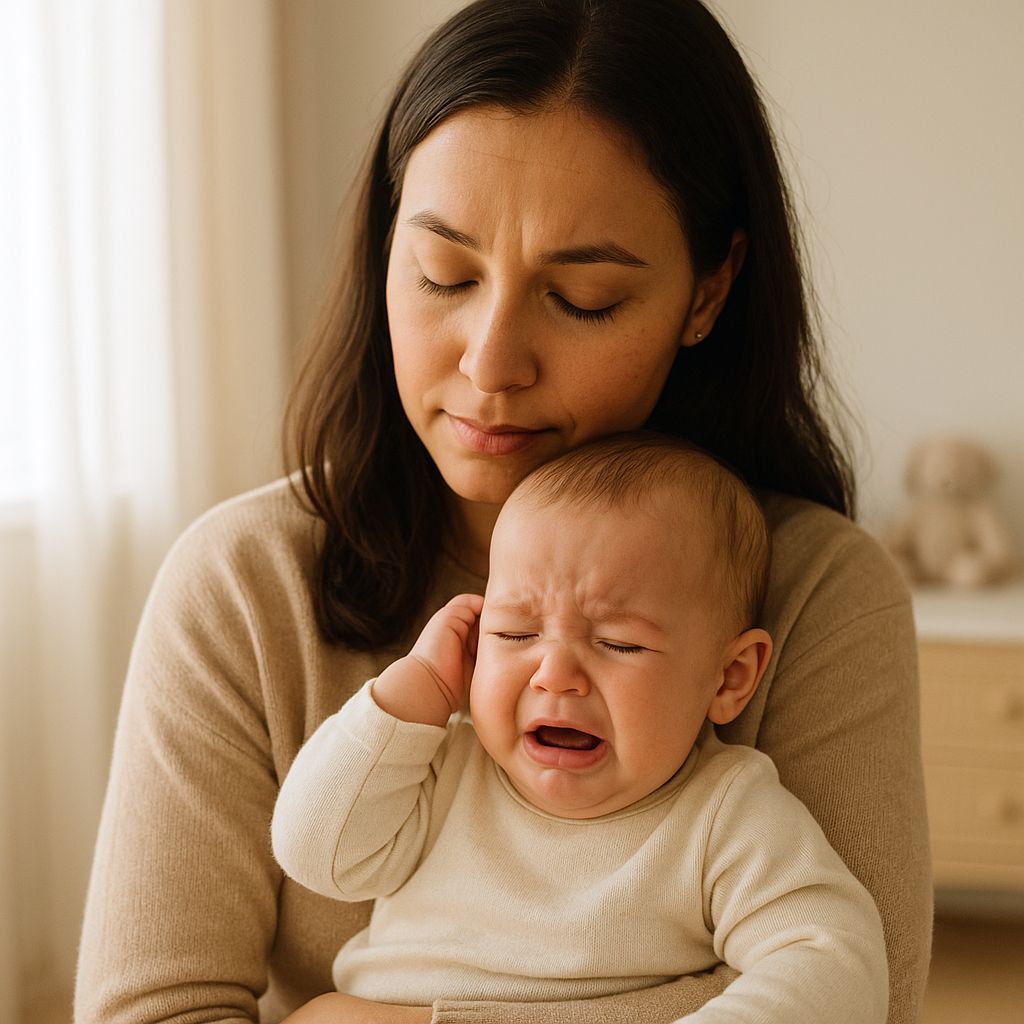
- Fussiness or irritability
- Warm or hot to the touch (especially back, chest, or neck)
- Heat rash (tiny red bumps)
If you notice any of these signs, remove a layer and check your baby’s temperature again in a few minutes.
How Many Layers Should a Baby Wear?
The general rule of thumb: Dress your baby in one more layer than you’re wearing. For instance, if you’re comfortable in a t-shirt and jeans, your baby might need a long-sleeve onesie plus a light blanket or jacket.
But always consider your baby’s activity level, the room or outdoor temperature, and their unique needs. If they’re very active, or the room is warm, you might skip the extra layer.
Seasonal Clothing Tips
Spring & Fall
- Choose breathable fabrics like cotton.
- Dress in layers for easy adjustment.
- Use a light jacket or sweater outdoors.
- Remove outer layers when indoors.
Summer
- Opt for lightweight, moisture-wicking fabrics.
- Avoid hats indoors and use sun hats outdoors.
- Keep legs and arms uncovered unless in direct sun.
- Use a fan or air conditioning to maintain a comfortable indoor temperature.
Winter
- Layer with a onesie, pants, and a sweater.
- Use a warm, breathable sleep sack for naps and nighttime.
- Hats, mittens, and booties outdoors only.
- Remove hats and outer layers as soon as you come inside.
- Avoid bulky snowsuits in car seats (use blankets over harness).
Choosing the Right Fabrics
Fabric choice is crucial. Breathable, natural fibers help regulate body temperature:
- Cotton: Soft, breathable, great for sensitive skin.
- Bamboo: Moisture-wicking, hypoallergenic.
- Wool: Good for winter, but can be layered over cotton.
- Avoid synthetics: Can trap heat and cause sweating.
Layering Like a Pro
Layering allows you to add or remove clothing as needed. Here’s a simple layering strategy:
- Base Layer: A soft onesie or bodysuit.
- Middle Layer: Lightweight pants, shirt, or dress.
- Outer Layer: Sweater, jacket, or blanket (as needed).
Check your baby’s neck, chest, and back for warmth—not hands or feet, which are often cooler.
Practical Tips for Everyday Dressing
- Always check your baby’s skin for signs of overheating.
- Remove layers when inside, especially after coming in from cold weather.
- Use lightweight sleep sacks instead of thick blankets at night.
- Avoid hats indoors; only use them outside in cold weather.
- Adjust clothing for activity—babies who are crawling or playing may warm up quickly.
- Trust your instincts, but rely on cues from your baby too.
Car Seat Safety and Overdressing
Bulky clothing can interfere with car seat safety. Here’s what to do:
- Dress your baby in normal indoor clothing.
- Fasten the car seat harness snugly.
- Add a blanket over the harness if needed.
- Remove hats, snowsuits, and bulky items before buckling up.
Sleep Safety: Dressing Your Baby for Bedtime
Babies are especially vulnerable to overheating while sleeping. Here’s how to keep them safe:
- Use a sleep sack or wearable blanket.
- Keep the room at 68-72°F (20-22°C).
- Avoid hats and thick blankets.
- Dress in a long-sleeve onesie or pajamas, depending on room temperature.
Common Myths About Baby Dressing
- Myth: Babies always need to be bundled up.
Fact: Babies need warmth, but not excess layering. - Myth: Cold hands and feet mean my baby is underdressed.
Fact: Check the chest or back for accurate temperature. - Myth: Hats should be worn indoors for warmth.
Fact: Hats indoors can cause overheating.
When to Seek Help
If your baby shows persistent signs of overheating, becomes lethargic, vomits, or has trouble breathing, seek medical attention immediately. It’s rare, but severe overheating can be dangerous.
Seasonal Checklist: Dressing Your Baby Right
- Spring: Layer cotton clothing, add/remove as needed.
- Summer: Lightweight onesies, sun hats outdoors.
- Fall: Layers for temperature swings, sweater or jacket outdoors.
- Winter: Indoor layers, hat/mittens outdoors, remove outerwear inside.
Final Thoughts: Trusting Your Parenting Instincts
Every baby is different. Some run warmer, some cooler. With practice, you’ll learn what works best for your child. The most important thing is to check your baby regularly, be ready to adjust, and don’t stress—your love and attention are what matter most.
FAQs: Preventing Overdressing in Babies
- How can I tell if my baby is overdressed?
- Look for flushed skin, sweating, fussiness, and check their chest or back for warmth. Remove a layer if needed.
- Is it safer to underdress or overdress a baby?
- Overdressing can cause overheating—dress your baby in one more layer than you’re comfortable in, and adjust as needed.
- What fabrics are best for preventing overheating?
- Choose breathable materials like cotton and bamboo, avoid synthetics that trap heat.
- How should I dress my baby for sleep?
- Use a sleep sack or light pajamas, keep room temperature comfortable, and avoid hats or thick blankets.
- Should babies wear hats indoors?
- No. Hats indoors can cause overheating; use hats only outdoors in cold weather.
Conclusion
Preventing overdressing is about more than just picking out cute outfits—it’s about keeping your baby safe, comfortable, and happy throughout the year. By staying aware of signs, choosing the right fabrics, and learning how to layer effectively, you’ll be a pro at dressing your little one for every season. Remember, when in doubt, check your baby’s skin and behavior, and adjust as needed. Happy parenting!