
How to Choose Safe Baby Products (Checklist)
As a parent, you want only the best and safest for your baby. With the overwhelming number of baby products on the market, it can be challenging to determine which ones are truly safe and which might pose hidden hazards. From bottles and pacifiers to cribs and car seats, every product your child comes in contact with should be carefully scrutinized. This comprehensive guide covers everything you need to know to choose safe baby products, along with an expert-verified checklist to use every time you shop.
Why Safety Matters in Baby Products
Infants and young children are more vulnerable to harmful chemicals, choking hazards, and injuries due to their developing bodies and natural curiosity. Unsafe products can lead to serious health risks, including allergic reactions, poisoning, choking, or even suffocation. By following a safety-first approach when choosing baby products, you can reduce these risks and provide a safer environment for your child to grow and thrive.
Understanding Key Safety Certifications
Before purchasing any baby product, check for the following certifications and standards:
- JPMA Certification: The Juvenile Products Manufacturers Association certifies products that meet rigorous safety standards for baby gear like strollers, high chairs, and play yards.
- ASTM International: This organization sets voluntary consensus standards for products like cribs, mattresses, and toys.
- CPSC Compliance: The U.S. Consumer Product Safety Commission regulates many baby products and issues mandatory safety standards and recalls.
- GREENGUARD Certification: Indicates that a product has low chemical emissions, important for mattresses and furniture.
- OEKO-TEX® Standard 100: For textiles, ensures products are free from harmful substances.
Always look for these labels on packaging or in product descriptions.
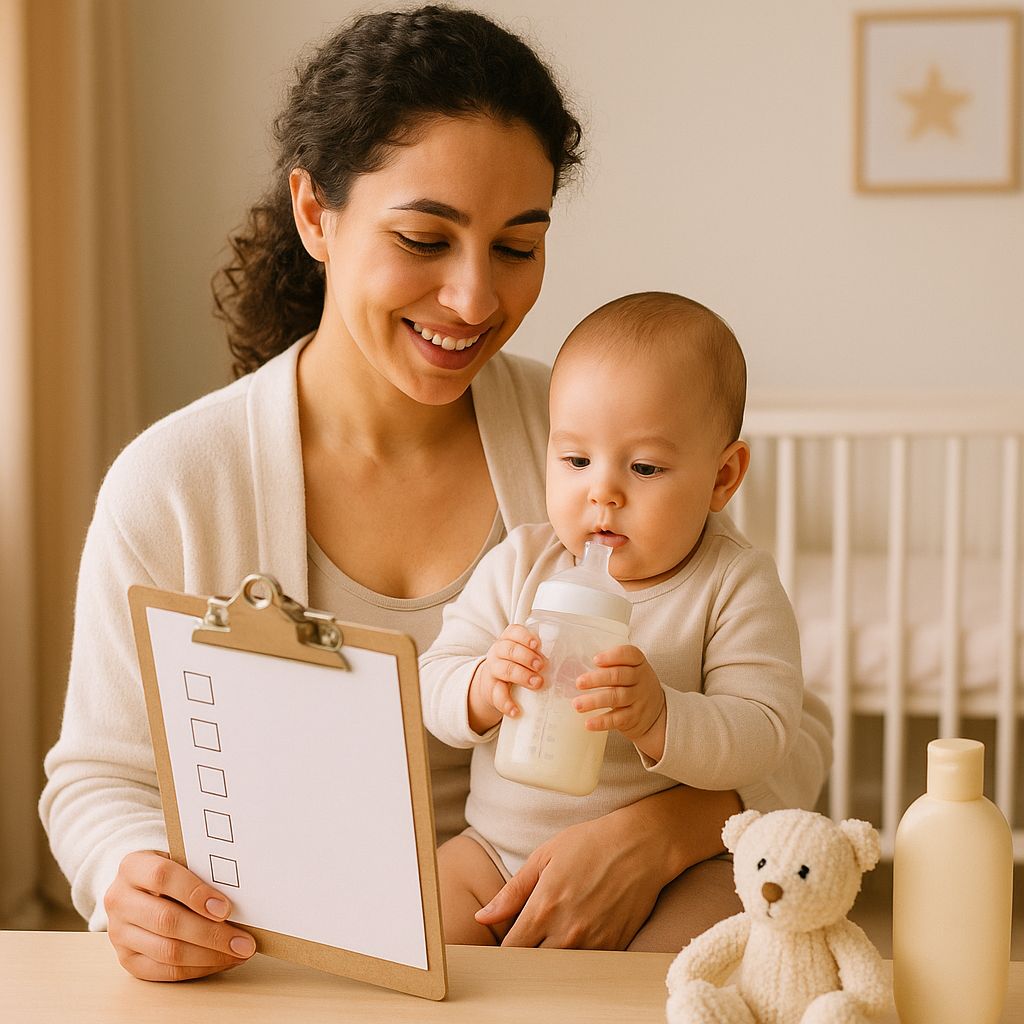
Checklist: How to Choose Safe Baby Products
Use this step-by-step checklist when evaluating any baby product:
- Check for Recalls
- Before buying, search the product and brand on the Consumer Product Safety Commission's recall list.
- Sign up for recall alerts for ongoing safety information.
- Confirm Age Appropriateness
- Ensure the product matches your baby’s developmental stage (e.g., avoid small toys for infants).
- Inspect for Choking and Strangulation Hazards
- Avoid products with small detachable parts, loose threads, or cords longer than 7 inches.
- Examine Materials and Ingredients
- Look for non-toxic, BPA-free, phthalate-free, and lead-free labels.
- For skincare, choose products with minimal, recognizable ingredients.
- Check for Proper Labeling
- Product should display manufacturer information, instructions, and any applicable warnings.
- Assess Construction Quality
- Inspect seams, joints, and fasteners for sturdiness.
- Avoid sharp edges or points.
- Research Consumer Reviews
- Read verified reviews for reports of safety issues, defects, or durability concerns.
- Check for Safety Features
- Look for built-in safety mechanisms, such as locking wheels, secure harnesses, or anti-tip designs.
- Verify Easy Cleaning and Maintenance
- Choose products with removable, machine-washable covers or easy-to-clean surfaces to maintain hygiene.
- Avoid Used Items (When Necessary)
- Do not buy used car seats, cribs, or products past their expiration date as safety standards may have changed.
Specific Product Safety Tips
Cribs and Sleeping Products
- Choose cribs that meet current CPSC and ASTM standards.
- Ensure slats are no more than 2 3/8 inches apart to prevent head entrapment.
- Avoid drop-side cribs, which are banned due to safety risks.
- Use a firm, well-fitting mattress with a tight sheet; keep soft bedding and toys out of the crib.
Car Seats
- Purchase new, never used, as car seats have expiration dates and may have been compromised in accidents.
- Ensure the seat meets or exceeds FMVSS 213 safety standards.
- Register the car seat with the manufacturer for recall notifications.
Feeding Supplies
- Use BPA-free bottles, nipples, and pacifiers.
- Choose products marked as dishwasher safe for thorough cleaning.
- Avoid bottles with many small parts or hard-to-clean crevices.
Toys
- Choose age-appropriate toys free from lead paint and toxic plastics.
- Look for ASTM F963 certification for toy safety.
- Avoid toys with small magnets or button batteries.
Personal Care Products
- Opt for fragrance-free, hypoallergenic products with recognizable ingredients.
- Avoid parabens, phthalates, formaldehyde, and artificial dyes.
- Check for the EWG (Environmental Working Group) rating for safer skincare choices.
Clothing and Textiles
- Look for clothing with OEKO-TEX® or GOTS (Global Organic Textile Standard) certification.
- Avoid drawstrings or loose ribbons that could be strangulation hazards.
- Choose flame-retardant sleepwear or snug-fitting pajamas.
Red Flags: What to Avoid in Baby Products
- Products with strong chemical smells or unlisted materials.
- Items without clear manufacturer or contact information.
- Products sold at suspiciously low prices or from unverified sellers.
- Heirloom or hand-me-down gear that may not meet current safety standards.
- Accessories that are not recommended by pediatricians (e.g., crib bumpers, sleep positioners).
Eco-Friendly and Non-Toxic Options
Many parents seek out eco-friendly baby products to reduce their baby’s exposure to unnecessary chemicals while supporting sustainability. When going green:
- Choose products labeled as organic, non-toxic, and made from renewable resources.
- Look for third-party certification like GREENGUARD or GOTS.
- Be wary of “greenwashing”—always check for substantiated claims and certifications.
Staying Up to Date on Baby Product Safety
- Register all new baby products with the manufacturer for recall alerts.
- Follow trusted resources such as the CPSC, HealthyChildren.org, and the American Academy of Pediatrics for updated guidelines.
- Join parenting forums and local groups for shared experiences and warnings.
Conclusion
Ensuring your baby’s safety starts with the products you choose. By following this checklist and staying informed about recalls, certifications, and age-appropriate guidelines, you can confidently select the safest options for your child. Remember: when in doubt, consult your pediatrician or a trusted safety resource. Your careful choices today lay the foundation for your baby’s healthy and happy future.
Frequently Asked Questions
- What are the most important safety certifications for baby products?
- Key safety certifications include JPMA (Juvenile Products Manufacturers Association), ASTM International, CPSC (Consumer Product Safety Commission), and GREENGUARD. Always look for these labels to ensure the product meets safety standards.
- How can I check if a baby product has been recalled?
- Visit official recall websites such as the U.S. Consumer Product Safety Commission (CPSC) and sign up for recall alerts. Always check a product’s model and batch number against recall lists before purchasing.
- Are organic or eco-friendly baby products safer?
- Organic and eco-friendly products often avoid harmful chemicals and support sustainability, but always check for safety certifications and third-party testing to ensure they meet safety standards.
- Should I buy used baby products?
- Some used products, like clothing, can be safe if cleaned properly, but avoid used car seats, cribs, and items with wear-and-tear or missing safety labels, as they may no longer meet current safety standards.