
How to Calm an Overexcited Toddler During Trips: Expert Strategies for Stress-Free Family Travel
Traveling with toddlers can be a delightful yet challenging experience. The excitement of new sights, sounds, and adventures often leaves young children brimming with energy—and sometimes, teetering on the edge of a meltdown. If you’ve ever wondered how to calm an overexcited toddler during trips, you’re not alone. This comprehensive guide offers expert strategies, practical tips, and reassurance, so your next family journey can be both memorable and manageable.
Why Do Toddlers Get Overexcited During Travel?
Toddlers are naturally curious and thrive on routine. When travel introduces a cascade of new experiences—airports, train stations, bustling crowds, or even a simple road trip—their little minds work overtime to process everything. This overstimulation often manifests as excitement, restlessness, or sometimes, full-blown toddler meltdowns. Understanding the root of this excitement is key to managing it effectively.
Preparation: The Foundation for Calm Travel
Preparation is your most powerful tool for minimizing overexcitement. Here’s how you can set your toddler (and yourself) up for success:
- Talk About the Trip: Share details about where you’re going and what to expect. Use simple language and picture books or videos relevant to your destination.
- Maintain Routines: Stick to familiar routines as much as possible, especially concerning meals and naps. Consistency provides comfort amidst change.
- Plan for Breaks: Schedule regular stops during long journeys. Give your toddler a chance to stretch, run, and decompress.
- Packing Smart: Bring along favorite comfort items—blankets, stuffed animals, or a special toy. These familiar objects can provide reassurance.
Recognizing Signs of Overexcitement
Early recognition is crucial. Watch for these cues that your toddler is becoming overstimulated:
- Increased fidgeting or restlessness
- Louder voice or constant chatter
- Difficulty following simple instructions
- Clinginess or sudden irritability
- Hyperactive movements
By noticing these early signs, you can step in with calming strategies before a meltdown occurs.
Expert-Approved Calming Techniques for Toddlers
Here are effective techniques to calm an overexcited toddler during trips:
1. Deep Breathing Games
Teach your toddler simple breathing exercises. For example, pretend to blow up an imaginary balloon—take a deep breath in, and then a slow breath out. Make it playful by counting, humming, or blowing bubbles together.
2. Sensory Play on the Go
Travel-sized sensory toys, like fidget spinners, squishy balls, or textured books, can help channel nervous energy and provide soothing tactile stimulation.
3. Gentle Touch and Reassurance
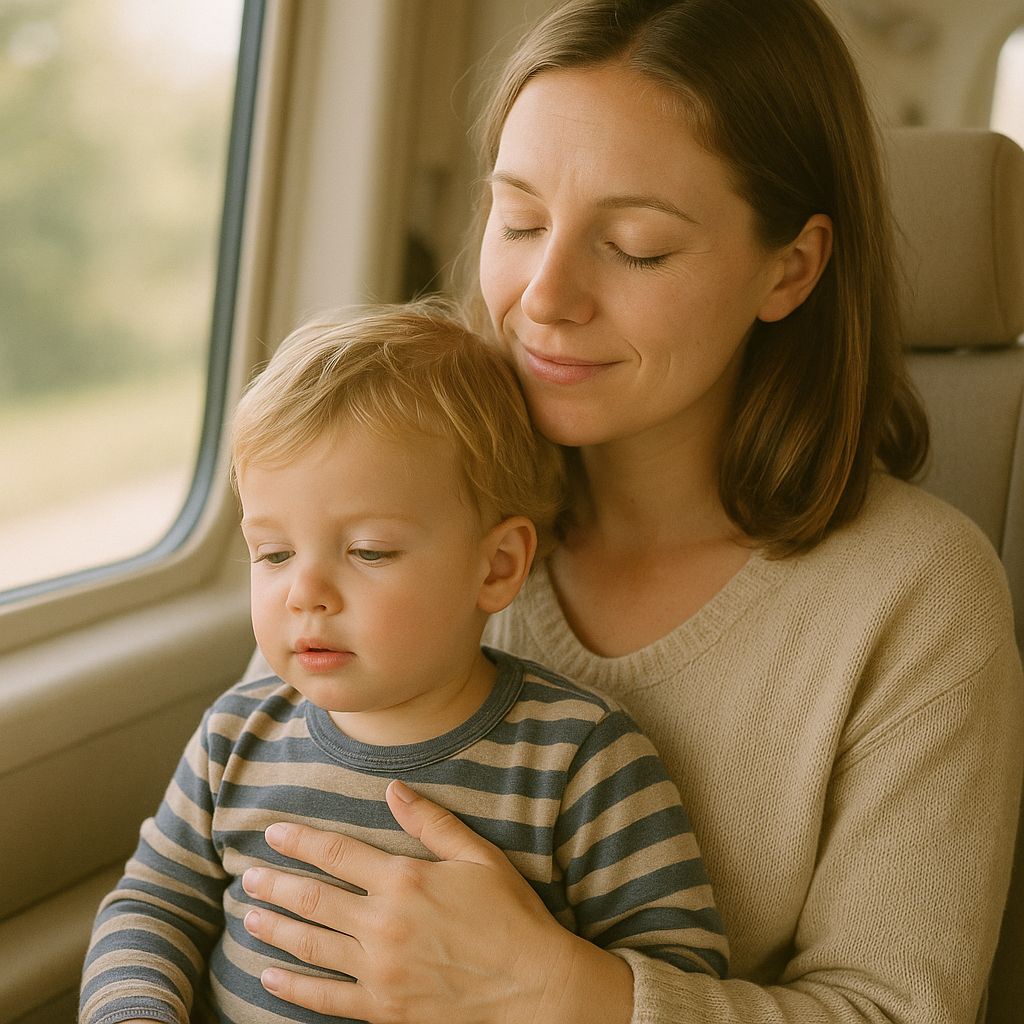
Physical touch is powerful for calming young children. Hold their hand, offer a cuddle, or gently rub their back. Your presence and calm demeanor can help regulate their emotions.
4. Engage the Senses
Distraction is a powerful tool. Play soft music, offer a favorite snack, or let your child look at a new picture book. Engaging the senses in a controlled way can redirect excitement into focused attention.
5. Mindfulness and Visualization
Introduce simple mindfulness exercises. For example, ask your toddler to close their eyes and imagine their favorite place, describing what they see, hear, and feel. This can be a fun game for toddlers aged 3 and up.
6. Create a ‘Calm Down’ Kit
Pack a small kit with soothing items: a favorite blanket, noise-canceling headphones, soft toys, and a water bottle. Use this kit when your child needs a break from the excitement.
7. Storytelling and Imaginative Play
Tell stories about the trip or invent calming adventures featuring your child’s favorite characters. Imaginative play helps toddlers process new experiences in a safe, familiar way.
Sample Travel Day Routine for Toddlers
Routines provide a sense of security. Here’s a sample travel day schedule you can adapt:
- Morning: Wake up, breakfast, and a calm activity (e.g., coloring or quiet play).
- Travel Prep: Let your toddler help pack their bag, choosing a few favorite items.
- Departure: Talk about what will happen next (“First we drive to the airport, then we see the planes”).
- On the Go: Alternate between quiet activities (stories, music) and physical breaks (walking, stretching).
- Arrival: Explore the new environment together, keeping initial activities low-key.
Handling Meltdowns: What to Do When Excitement Overflows
Despite your best efforts, meltdowns can happen. Here’s how to respond:
- Stay Calm: Your child will take cues from your demeanor. Take a deep breath and respond with a gentle voice.
- Remove Triggers: If possible, move to a quieter space or reduce sensory input.
- Validate Feelings: Acknowledge your child’s emotions (“I see you’re feeling really excited and it’s hard to wait”).
- Offer Choices: Simple decisions (“Would you like your teddy or your book?”) help toddlers regain a sense of control.
- Use Your Calm Down Kit: Offer soothing items and encourage slow breathing together.
Preventative Strategies for Future Trips
Every trip is a learning opportunity. After your journey, reflect on what worked and what didn’t. Involve your toddler in the process—talk about their favorite parts, what made them feel happy or overwhelmed, and how you can make the next trip even smoother.
- Observe Patterns: Do certain activities or times of day lead to more excitement?
- Adjust Routines: Tweak your travel schedule to include more downtime or earlier naps if needed.
- Build Emotional Vocabulary: Help your toddler learn words for their feelings, so they can express themselves before emotions boil over.
Common Mistakes to Avoid
- Skipping naps or meals—tired, hungry toddlers are more prone to meltdowns.
- Overpacking activities—leave plenty of time for free play and rest.
- Ignoring early warning signs—intervene early for best results.
- Expecting perfection—travel is unpredictable, so flexibility is key!
Modeling Calm: The Parent’s Role
One of the most impactful things you can do is model calm, flexible behavior. Your toddler learns by watching you navigate stressful situations. Take breaks when you need them, stay positive, and show your child that it’s okay to feel many emotions during exciting adventures.
Conclusion: Building Joyful Travel Memories
Traveling with toddlers is a unique opportunity to foster resilience, adaptability, and family connection. By preparing thoughtfully, responding to your child’s cues, and using effective calming strategies, you’re setting the stage for joyful, memorable adventures. Remember: every trip is a step towards raising a confident, flexible traveler—one giggle at a time.
Frequently Asked Questions
- Why do toddlers get overexcited during trips?
- Toddlers are naturally curious and find new environments stimulating. The change in routine, unfamiliar surroundings, and anticipation can all contribute to excitement and, at times, overstimulation.
- What should I pack to help calm my toddler during travel?
- Pack familiar comfort items like a favorite stuffed animal, blanket, quiet toys, snacks, a water bottle, headphones with soothing music, and simple activity books to help manage excitement and provide distraction.
- How can I prevent my toddler from getting overexcited during a trip?
- Set clear expectations before the trip, stick to routines as much as possible, provide plenty of breaks, and engage your toddler in calming activities to help regulate their emotions.
- What calming techniques work best for toddlers on the go?
- Deep breathing games, gentle touch, distraction with stories or music, and sensory play are effective techniques. You can also create a 'calm down' kit with sensory toys and favorite items.