
How Storytelling Helps Language Growth in Preschoolers
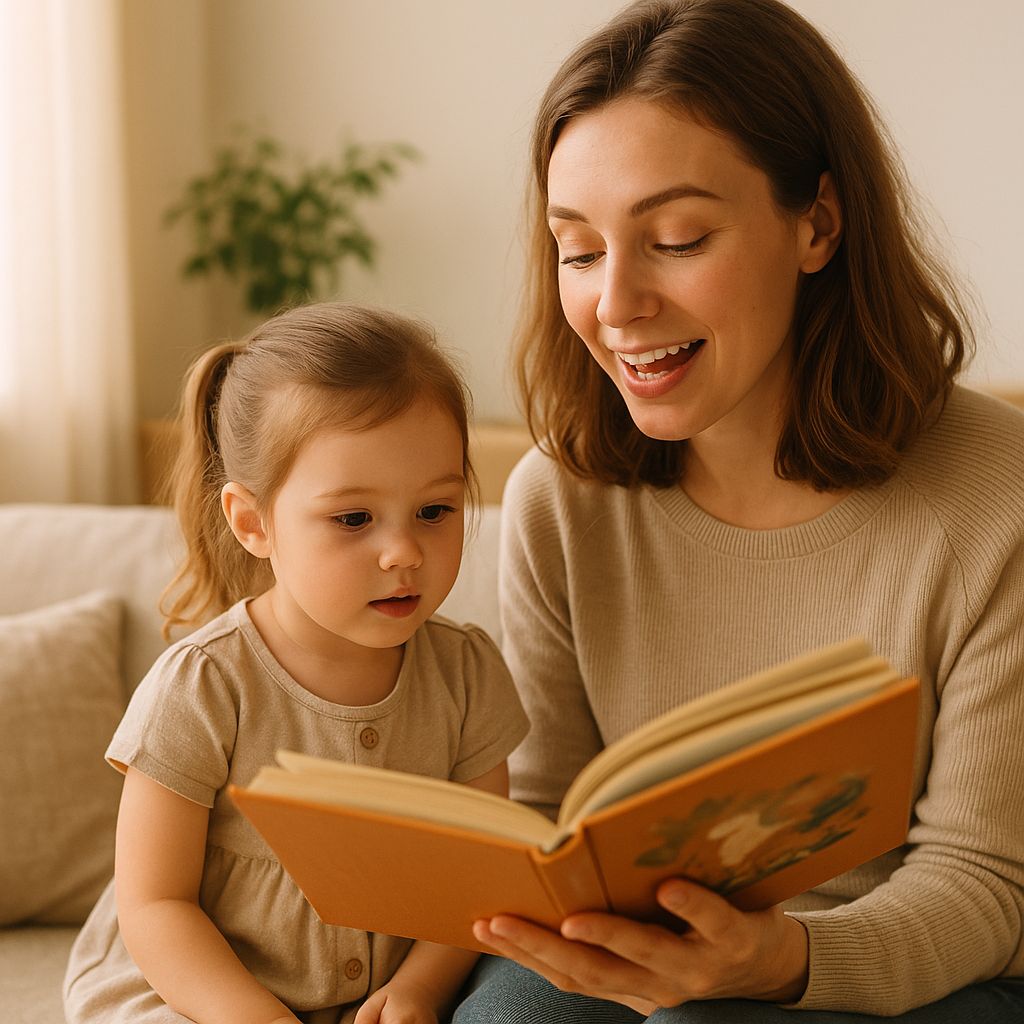
Imagine your preschooler curled up beside you, eyes wide with wonder as you weave a tale about magical forests and talking animals. Storytelling is more than just entertaining—it's one of the most powerful tools parents have to nurture language development. But how exactly does storytelling help preschoolers grow their communication skills, and what can you do to make the most of it?
Why Storytelling Matters for Language Development
Storytelling is an age-old tradition, passed down from generation to generation. In the preschool years (ages 3-5), children are sponges for language. They absorb words, phrases, and patterns, forming the foundation for reading, writing, and confident speaking.
- Stories expose children to new vocabulary and expressions.
- Listening to stories helps children recognize sentence structure and grammar.
- Retelling and participating in stories builds speaking skills and confidence.
- Stories spark imagination and creative thinking, encouraging expressive language.
Research shows that children who engage in frequent storytelling not only develop richer vocabularies but also excel in comprehension, listening, and early literacy skills.
The Science Behind Storytelling and Language Growth
Language development is a complex process, especially in the preschool years. When you tell or read stories, you’re activating multiple parts of your child’s brain:
- Auditory Processing: Children learn to distinguish sounds, words, and sentence patterns.
- Memory: Remembering story details and sequencing events strengthens working memory.
- Comprehension: Understanding the plot, characters, and emotions builds comprehension skills.
- Expressive Language: Children are inspired to use new words and phrases in their own speech.
Storytelling also supports social-emotional growth. Preschoolers learn empathy, problem-solving, and emotional expression by connecting with story characters. This, in turn, enriches their communication abilities.
How Storytelling Works: The Building Blocks
Let’s break down how storytelling actively supports language growth in preschoolers:
1. Vocabulary Expansion
Stories introduce children to words beyond their everyday experience. Hearing and repeating new vocabulary helps them internalize and use these words confidently.
2. Sentence Structure
Listening to stories featuring complex sentences helps preschoolers learn how words fit together. They begin to mimic sentence patterns, improving their own expressive language.
3. Listening and Comprehension
To follow a story, children must listen carefully and understand the sequence of events. This sharpens their listening skills and ability to comprehend spoken language.
4. Speaking and Retelling
When children retell stories, answer questions, or create their own tales, they practice speaking. This boosts their confidence and helps organize their thoughts.
5. Imagination and Emotional Expression
Stories spark imagination, encouraging children to express ideas, feelings, and perspectives. This rich emotional vocabulary supports social communication.
Practical Ways to Use Storytelling at Home
You don’t need to be a professional storyteller to make a big impact! Here are some practical, everyday tips for incorporating storytelling into your preschooler’s routine:
1. Read Aloud Daily
Choose picture books, fairy tales, or short stories. Read with expression, changing your voice for different characters. Pause to ask questions or let your child predict what happens next.
2. Tell Personal Stories
Share memories from your own childhood, family traditions, or funny moments. Preschoolers love hearing about mom’s or dad’s adventures!
3. Create Stories Together
Start a story and let your child add details or invent new characters. Encourage them to use their imagination, no matter how wild the ideas are.
4. Use Props and Puppets
Bring stories to life with stuffed animals, toys, or homemade puppets. Let your child act out scenes or narrate parts of the story themselves.
5. Repeat Favorite Stories
Children thrive on repetition. Re-reading or retelling beloved tales helps reinforce vocabulary and comprehension.
6. Incorporate Storytelling Into Daily Routines
Make up stories during meals, bath time, or car rides. Even a simple “Once upon a time” can turn an ordinary moment into a language-building opportunity.
Storytelling Activities for Preschoolers
Try these fun storytelling activities to boost your child’s language growth:
- Story Stones: Paint small stones with pictures (a sun, a dog, a tree). Use them to create stories together.
- Picture Story Cards: Shuffle cards with images and invent a story based on the sequence.
- Family Story Time: Each family member adds a sentence to build a collaborative story.
- Puppet Shows: Use puppets or toys to act out a simple story and encourage your child to narrate.
- Story Dice: Roll dice featuring pictures, then weave them into an imaginative tale.
How Storytelling Supports Literacy Skills
Storytelling isn’t just about talking—it lays the groundwork for reading and writing. Here’s how:
- Print Awareness: Reading stories together helps preschoolers understand that print carries meaning.
- Phonological Awareness: Stories with rhymes or repetitive phrases improve awareness of sounds and syllables.
- Narrative Skills: Retelling stories teaches children to organize ideas in sequence—a key reading skill.
- Vocabulary Growth: Exposure to new words supports reading comprehension later on.
Storytelling for Diverse Learners (Bilingual & Special Needs)
Storytelling is adaptable for all preschoolers, including those learning a second language or with speech delays:
- Bilingual Families: Tell stories in your native language. This strengthens your child’s foundation in their first language, supporting overall language growth.
- Children with Speech Delays: Use simple, repetitive stories and encourage participation. Storytelling provides a safe space for practicing speech.
- Visual Learners: Incorporate pictures, props, or storyboards for extra support.
Tips for Parents: Making Storytelling a Habit
- Be Consistent: Aim for daily storytelling, even if it’s just a few minutes.
- Follow Your Child’s Interests: Choose stories about topics they love (dinosaurs, princesses, vehicles).
- Encourage Participation: Let your child fill in details, ask questions, or retell the story in their own words.
- Use Expression: Change your voice for different characters, add sound effects, and show excitement.
- Keep it Fun: Don’t worry about perfection. The goal is connection and language exposure.
Common Challenges and Solutions
- My child is shy: Start with familiar stories or use puppets. Gradually encourage participation.
- Short attention span: Keep stories brief and interactive. Use visuals or props.
- Language barriers: Tell stories in your native language or use simple sentences.
Building Emotional Bonds Through Storytelling
Storytelling isn’t just about language—it’s about connection. When you tell stories, you’re sharing time, laughter, and imagination. This strengthens your bond and creates lasting memories.
Preschoolers feel safe and valued when they’re included in storytelling. They learn that their ideas matter and their words have power.
Conclusion: The Magic of Stories for Language Growth
Storytelling is a joyful, impactful way to support your preschooler’s language development. Whether you’re reading from a book or inventing tales at bedtime, you’re giving your child the gift of words, imagination, and confidence.
So, grab a storybook, make up a silly tale, or let your child be the storyteller. The world of language awaits—one story at a time!
Frequently Asked Questions
- How does storytelling improve language skills in preschoolers?
- Storytelling exposes preschoolers to diverse vocabulary, sentence structures, and expressive language. It encourages active listening, comprehension, and speaking skills, all crucial for language development.
- What are some easy storytelling activities for parents and preschoolers?
- Parents can share personal anecdotes, read picture books, create stories together, or use puppets and toys to narrate simple tales. Interactive storytelling, where children participate or fill in details, is especially effective.
- How often should I engage my preschooler in storytelling?
- Daily storytelling, even for a few minutes, is highly beneficial. Incorporate stories into bedtime, mealtimes, or play sessions for consistent language exposure.
- Can storytelling help shy or reluctant speakers?
- Absolutely! Storytelling provides a safe, playful space for shy children to express themselves, try new words, and build confidence in their communication skills.
- Is it okay to tell stories in my native language?
- Yes! Telling stories in your native language helps children build a strong foundation in their first language, which can support learning additional languages later.