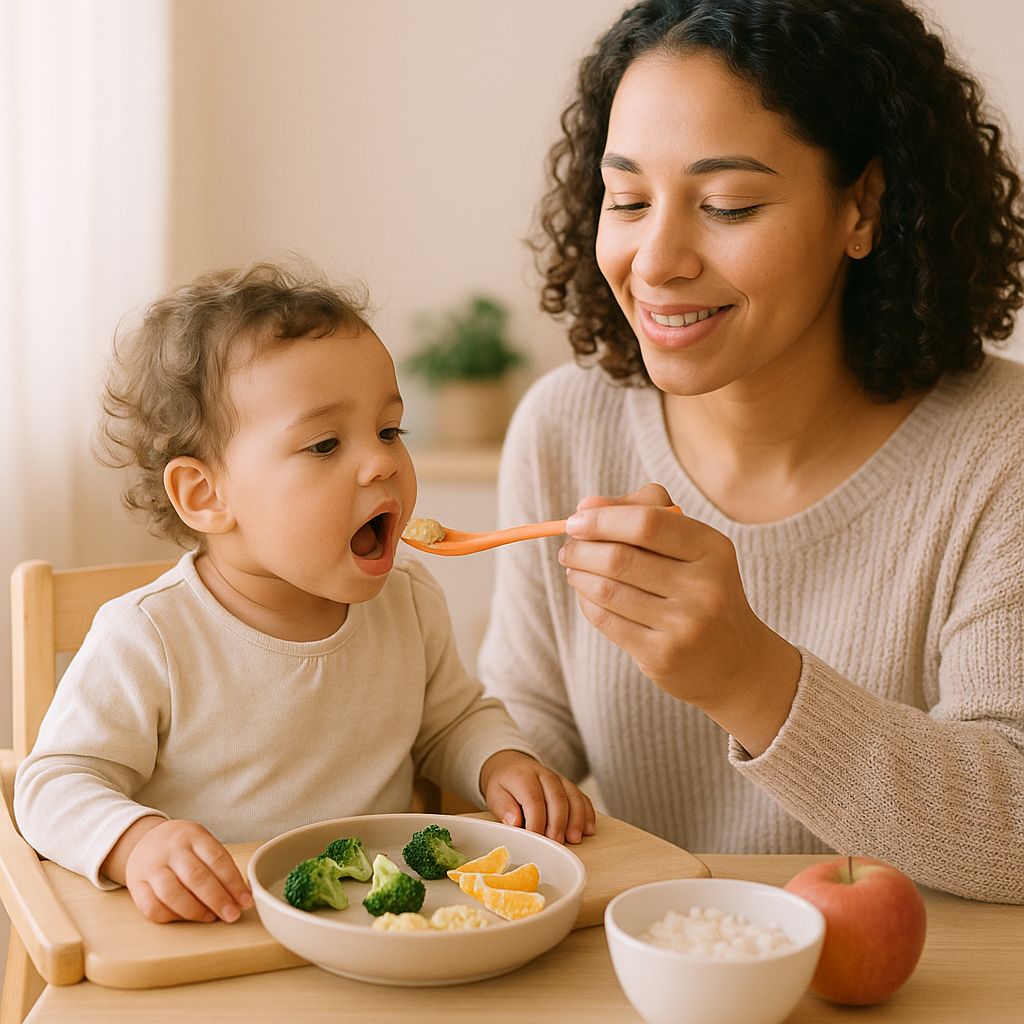

How Much Should a Toddler Eat Daily? A Parent’s Guide to Balanced Nutrition
If you've ever wondered, "How much should a toddler eat daily?"—you're not alone. As a parent, ensuring your little one gets the right amount of food (and the right kind of food!) can feel like navigating a maze. Toddlers are notorious for their unpredictable appetites, sudden food preferences, and those days when they seem to survive on air alone. But don’t worry: with expert advice and a sprinkle of patience, you can help your toddler build healthy eating habits that will last a lifetime.
Understanding Toddler Nutrition: The Basics
Toddlers, defined as children aged 1 to 3 years, are growing rapidly—physically, cognitively, and emotionally. Their nutritional needs are unique, and meeting those needs is crucial for their development. But toddlers aren’t just mini adults; their portion sizes, meal frequency, and food preferences are distinct.
How Many Calories Does a Toddler Need?
The average toddler needs between 1,000 and 1,400 calories per day. This range depends on factors like age, activity level, and growth rate. For example:
- 1-2 years: about 1,000-1,200 calories/day
- 2-3 years: about 1,200-1,400 calories/day
These calories should come from a variety of food groups—fruits, vegetables, grains, proteins, and dairy.
Meal Frequency: How Often Should Toddlers Eat?
Toddlers thrive on routine. Most experts recommend three meals and two snacks per day. This schedule helps them maintain energy, supports growth, and prevents meltdowns caused by hunger.
- Breakfast
- Mid-morning snack
- Lunch
- Afternoon snack
- Dinner
Keep in mind: some days your toddler may eat more, other days less. That’s normal! Their hunger cues are reliable indicators.
Portion Sizes for Toddlers
Toddler portions are much smaller than adult servings. Here’s a handy guide:
- Grains: 1/4 to 1/2 slice of bread, 1/4 cup cooked pasta, rice, or cereal
- Fruits: 1/4 to 1/2 cup diced fruit
- Vegetables: 1/4 to 1/2 cup cooked or raw veggies
- Protein: 1 to 2 tablespoons cooked meat, poultry, fish, or beans
- Dairy: 1/2 cup milk or yogurt, 1/2 ounce cheese
Think “toddler-sized” portions—about the size of their fist or palm. Don’t stress if your child doesn’t finish everything; toddlers are good at self-regulating their intake.
Building a Balanced Toddler Meal Plan
A balanced toddler meal plan covers all the bases: energy, vitamins, minerals, and protein for growth. Here’s what a day might look like:
Sample Daily Meal Plan
| Meal | Example Foods |
|---|---|
| Breakfast | 1/2 slice whole grain toast, 1 scrambled egg, 1/4 cup diced strawberries |
| Morning Snack | 1/4 cup yogurt, 2-3 slices banana |
| Lunch | 1/4 cup cooked pasta, 1 tablespoon shredded chicken, 1/4 cup peas, 1/2 cup milk |
| Afternoon Snack | 1/2 ounce cheese, 1/4 cup apple slices |
| Dinner | 1/4 cup rice, 1-2 tablespoons cooked salmon, 1/4 cup steamed carrots |
Mix and match foods to suit your toddler’s tastes, and include bright colors and textures to keep things interesting.
Signs Your Toddler Is Eating Enough
How can you tell if your toddler is getting the right amount of food? Look for these signs:
- Steady growth (checkups with your pediatrician)
- Energy for play and learning
- Meeting developmental milestones
- Healthy skin and hair
If you’re concerned about picky eating or growth, consult your pediatrician for guidance.
Picky Eating: What’s Normal and What’s Not?
Picky eating is part of toddlerhood. It’s normal for toddlers to suddenly reject foods they loved yesterday or to eat very little at certain meals. Here are some tips for navigating picky eating:
- Don’t force food. Pressuring your child can turn mealtime into a power struggle.
- Offer variety. Introduce new foods alongside favorites, and keep offering rejected foods—they may come around later!
- Model healthy eating. Eat together as a family and show your toddler you enjoy a range of foods.
- Trust their hunger cues. Toddlers are good at regulating intake when allowed to listen to their bodies.
Tips for Feeding Toddlers Without Stress
Mealtime doesn’t have to be stressful. Here are some practical tips:
- Keep meals relaxed. Avoid distractions like screens during mealtime.
- Let them feed themselves. Encourage finger foods and self-feeding to build independence.
- Stick to a routine. Regular meal and snack times help toddlers know what to expect.
- Serve small portions. You can always offer more if your child asks.
- Allow for seconds. If your toddler wants more, it’s okay! Trust their internal cues.
- Offer water with meals. Avoid sugary drinks; water and milk are best.
What About Treats and Junk Food?
While occasional treats are okay, focus on nutritious foods most of the time. Limit foods high in sugar, salt, and unhealthy fats. If you do offer treats, make them part of a meal—not a reward for eating healthy food.
Common Concerns and Solutions
- My toddler eats very little some days. That’s normal! Appetite varies. Look at their diet over a week, not a day.
- They refuse vegetables. Try different cooking methods, add veggies to favorite dishes, or offer dips.
- They want snacks all the time. Stick to planned snack times and offer healthy options like fruit, yogurt, or whole grain crackers.
Frequently Asked Questions
- How many calories does a toddler need daily?
- Most toddlers need about 1,000 to 1,400 calories per day, depending on their age, size, and activity level.
- Should I worry if my toddler is a picky eater?
- Picky eating is common in toddlers. Offer a variety of healthy foods and avoid pressuring your child to eat. Over time, their tastes will expand.
- How do I know if my toddler is eating enough?
- If your toddler is growing well, energetic, and meeting developmental milestones, they’re likely eating enough. Consult your pediatrician if you have concerns.
- What should a typical toddler meal look like?
- A balanced toddler meal includes small portions of fruit, vegetables, whole grains, protein, and dairy. Use colorful plates and offer finger foods for variety.
When to Consult a Doctor
If your toddler is:
- Consistently refusing food
- Losing weight
- Showing signs of nutritional deficiencies (fatigue, hair loss, pale skin)
- Experiencing digestive issues
Contact your pediatrician for advice. They can help assess your child’s growth and diet, and offer solutions for feeding challenges.
Summary: Trust, Patience, and Balance
To answer the big question, "How much should a toddler eat daily?"—it’s less about precise numbers and more about offering balanced meals, trusting your child’s cues, and keeping mealtimes positive. Toddlers are learning to listen to their bodies, and as parents, your role is to provide healthy choices and support their independence. With patience and consistency, you’re setting the stage for lifelong healthy eating habits.
Remember, every toddler is unique. If you ever have concerns about your child’s nutrition or growth, your pediatrician is your best resource. Happy feeding!