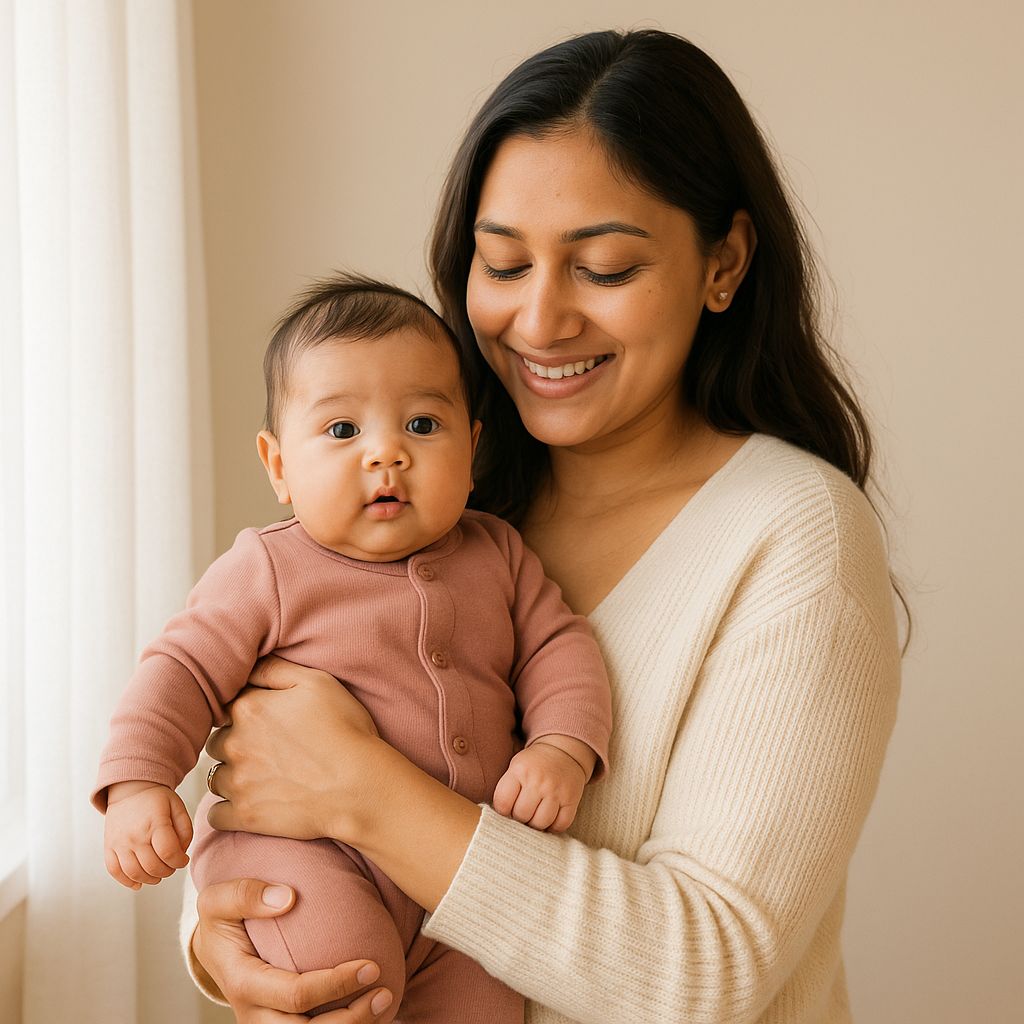
What Is a Healthy Weight Gain for Babies? A Comprehensive Guide for Parents
One of the most reassuring signs of a baby’s healthy development is steady weight gain. Yet, for many parents, tracking the numbers on the scale can be a source of both pride and anxiety. Is your baby gaining enough? Is it too much or too little? Understanding what constitutes healthy weight gain for babies is essential for supporting their growth and well-being. This comprehensive guide explains what to expect, how to monitor your baby’s progress, and when to seek professional guidance.
Why Is Baby Weight Gain Important?
Weight gain is a crucial indicator of a baby’s overall health, nutrition, and development. Adequate weight gain reflects proper feeding, healthy metabolism, and sufficient nutrient intake. Monitoring your baby’s growth helps ensure they are on track with important milestones and can alert parents and healthcare providers to potential health concerns early on.
Typical Patterns of Weight Gain in Babies
Initial Weight Loss After Birth
It’s normal for newborns to lose some weight in the first few days of life—usually up to 10% of their birth weight. This is primarily due to shedding excess fluids. Most healthy babies regain their birth weight by 10 to 14 days of age.
Expected Weight Gain by Age
| Age | Average Weight Gain | Key Milestones |
|---|---|---|
| 0–3 months | 5–7 oz (140–200g) per week | Regain birth weight by 2 weeks; rapid growth phase |
| 4–6 months | 4–6 oz (113–170g) per week | Usually double birth weight by 4–5 months |
| 6–12 months | 3–5 oz (85–140g) per week | Growth rate slows; triple birth weight by 12 months |
How to Track Your Baby’s Weight Gain
Growth Charts: What Are They and How to Use Them
Pediatricians use growth charts—standardized graphs based on large population data—to plot your baby’s weight, length, and head circumference over time. These charts show percentiles, which compare your child’s measurements with those of other children the same age and sex. For example, if your baby is in the 50th percentile for weight, they are heavier than 50% of their peers.
Key points about growth charts:
- Growth should be consistent over time, following a curve, even if it’s not at the same percentile.
- Sudden drops or increases in percentile may warrant further evaluation.
- Growth charts differ for breastfed and formula-fed infants under 24 months (WHO and CDC charts).
Regular Pediatric Check-Ups
Routine visits to your pediatrician are vital. Babies are usually weighed at every check-up, and your doctor will monitor their growth, address concerns, and offer feeding advice tailored to your child’s needs.
Factors Affecting Healthy Weight Gain for Babies
- Feeding Method: Breastfed and formula-fed babies may gain weight at different rates, especially after the first 3–4 months.
- Genetics: Family size and build play a significant role in your baby’s growth pattern.
- Gestational Age: Premature babies may have different growth expectations and catch-up periods.
- Health Conditions: Chronic illnesses, allergies, or feeding difficulties can impact weight gain.
- Feeding Frequency and Efficiency: Effective latching, milk supply, and feeding schedules all matter.
Breastfed vs. Formula-Fed Babies: Weight Gain Differences
In the first few months, both breastfed and formula-fed babies usually gain weight steadily. Around 3–4 months, formula-fed infants may gain weight slightly faster, but both feeding methods can support healthy growth if done responsively and adequately.
Key points:
- Breastfed babies may gain weight more rapidly in the first 3 months, then slow down after.
- Formula-fed babies sometimes continue gaining at a steadier pace beyond 3–4 months.
- Both patterns can be healthy; focus on overall growth, not just weekly numbers.
Signs of Healthy Weight Gain in Babies
- Regaining birth weight by 2 weeks of age
- Consistent growth along a percentile curve
- Alertness and engagement during waking periods
- Regular feeding (8–12 times/day for newborns)
- 6+ wet diapers and several stools per day after day 5
- Visible satiety after feeds
When to Be Concerned About Baby's Weight Gain
Some babies grow more slowly or quickly than others, but the following signs indicate a need to consult your pediatrician:
- No weight gain or continued weight loss after the first 2 weeks
- Dropping two or more percentile lines on the growth chart
- Poor feeding or very short/long feeding times
- Persistent vomiting, diarrhea, or signs of dehydration
- Lethargy, unusual fussiness, or not meeting developmental milestones
Supporting Healthy Weight Gain: Feeding Tips for Parents
1. Practice Responsive Feeding
Watch your baby’s hunger and fullness cues. Offer the breast or bottle whenever your baby shows signs of hunger, such as rooting, sucking on fists, or increased alertness.
2. Ensure Effective Feeding
Check that your baby has a good latch if breastfeeding, or is positioned comfortably for bottle feeds. If you have concerns about milk supply or feeding challenges, seek guidance from a lactation consultant or your pediatrician.
3. Monitor Diaper Output
Frequent wet diapers (at least 6 per day after the first week) and regular stools are signs that your baby is getting enough to eat.
4. Avoid Overfeeding
Don’t pressure your baby to finish bottles or eat more than they want. Overfeeding can also lead to excessive weight gain.
5. Introduce Solids Appropriately
Solids are typically introduced around 6 months. They should complement, not replace, breast milk or formula until 12 months. Focus on nutrient-rich foods and allow your baby to self-regulate intake.
Frequently Asked Questions About Baby Weight Gain
- How much weight should my baby gain each week?
- Newborns generally gain 5–7 ounces (140–200 grams) per week after the first week. This can vary based on age and feeding method.
- Is it normal for my baby to lose weight after birth?
- Yes, most newborns lose up to 10% of their birth weight in the first few days and regain it by two weeks.
- When should I worry about my baby’s weight?
- If your baby hasn't regained birth weight by 2 weeks, seems lethargic, or has a sudden drop in weight percentile, consult your pediatrician promptly.
- Does feeding method affect weight gain?
- Yes, breastfed and formula-fed babies may gain weight at different rates, but both can be healthy if weight gain is steady and your baby is thriving.
Conclusion: Every Baby Is Unique
While general guidelines are helpful, it’s important to remember that every baby grows at their own pace. Consistency in following their own growth curve is often more important than the actual numbers. Regular pediatric check-ups, responsive feeding, and attentive care are the best ways to support your baby’s healthy weight gain and development.
If you ever have concerns about your baby's growth or feeding, don’t hesitate to reach out to your healthcare provider. Early support can make a big difference in your child’s health and your peace of mind.
References:
- World Health Organization. (2006). WHO Child Growth Standards. https://www.who.int/tools/child-growth-standards
- Centers for Disease Control and Prevention. (2022). Infant Growth Chart. https://www.cdc.gov/growthcharts/clinical_charts.htm
- American Academy of Pediatrics. Caring for Your Baby and Young Child: Birth to Age 5. 7th Edition.