
Hair Care for Babies: Expert Tips for Healthy Infant Hair
From the moment your baby enters the world, every aspect of their care is precious—and their hair is no exception. While some newborns arrive with a full head of hair and others with barely a fuzz, each baby’s hair care needs are unique. This guide covers everything parents need to know about nurturing healthy hair and scalp for infants, from safe washing routines to handling common concerns like cradle cap.
Understanding Newborn Hair
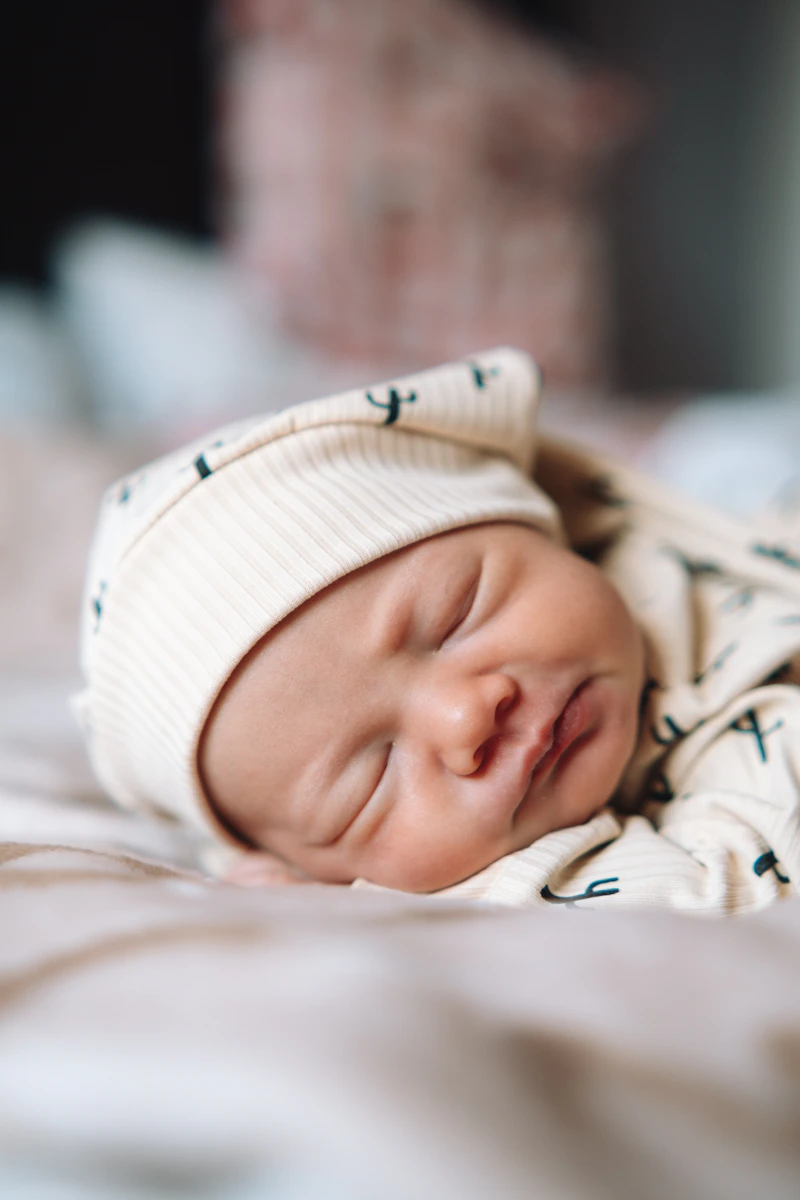
Newborn hair varies greatly. Some infants have thick locks, others have fine wisps, and many experience noticeable changes in hair color, texture, or even hair loss during the first few months. This is perfectly normal and usually related to hormonal changes after birth.
- Lanugo: Some babies are born with fine, downy hair called lanugo. This typically sheds within the first weeks.
- Texture & Color: Hair may change as new growth emerges, sometimes transitioning from dark to light or curly to straight.
- Hair Loss: It's common for babies to lose hair during infancy, with new hair growing back in time.
Why Hair Care Matters for Babies
Infant hair care is not just about aesthetics. Proper routines help maintain scalp health, prevent irritation, and support natural growth. The baby’s scalp is delicate, making it important to use products and methods appropriate for their age.
Safe Washing Practices
How Often Should You Wash Baby Hair?
Infant hair does not require daily washing. For most babies, 2-3 times a week suffices unless there is visible dirt or medical advice to do otherwise. Overwashing can strip the scalp of natural oils, leading to dryness or irritation.
Steps for Washing Your Baby’s Hair
- Prepare the Bath: Ensure water is lukewarm (not hot). Have a soft washcloth, gentle baby shampoo, and a cup for rinsing.
- Support the Head: Hold your baby securely, supporting the head and neck.
- Wet the Hair: Use the washcloth or cup to gently wet the hair, avoiding water in the eyes.
- Apply Shampoo: Use a dime-sized amount of baby shampoo. Massage gently with fingers.
- Rinse Thoroughly: Rinse with clean water, ensuring no residue remains.
- Dry Gently: Pat dry with a soft towel. Avoid rubbing, which can cause tangles or breakage.
Choosing the Right Hair Products
Baby hair products should be gentle, hypoallergenic, and free of harsh chemicals. Here’s what to look for:
- Fragrance-Free: Avoid products with perfumes, which can irritate sensitive skin.
- No Sulfates or Parabens: These additives are too harsh for infants.
- Dermatologist-Tested: Opt for products with pediatrician or dermatologist endorsements.
Tip: Never use adult shampoos or conditioners. Even “natural” products may contain ingredients unsuitable for babies.
Handling Common Infant Hair Concerns
Cradle Cap
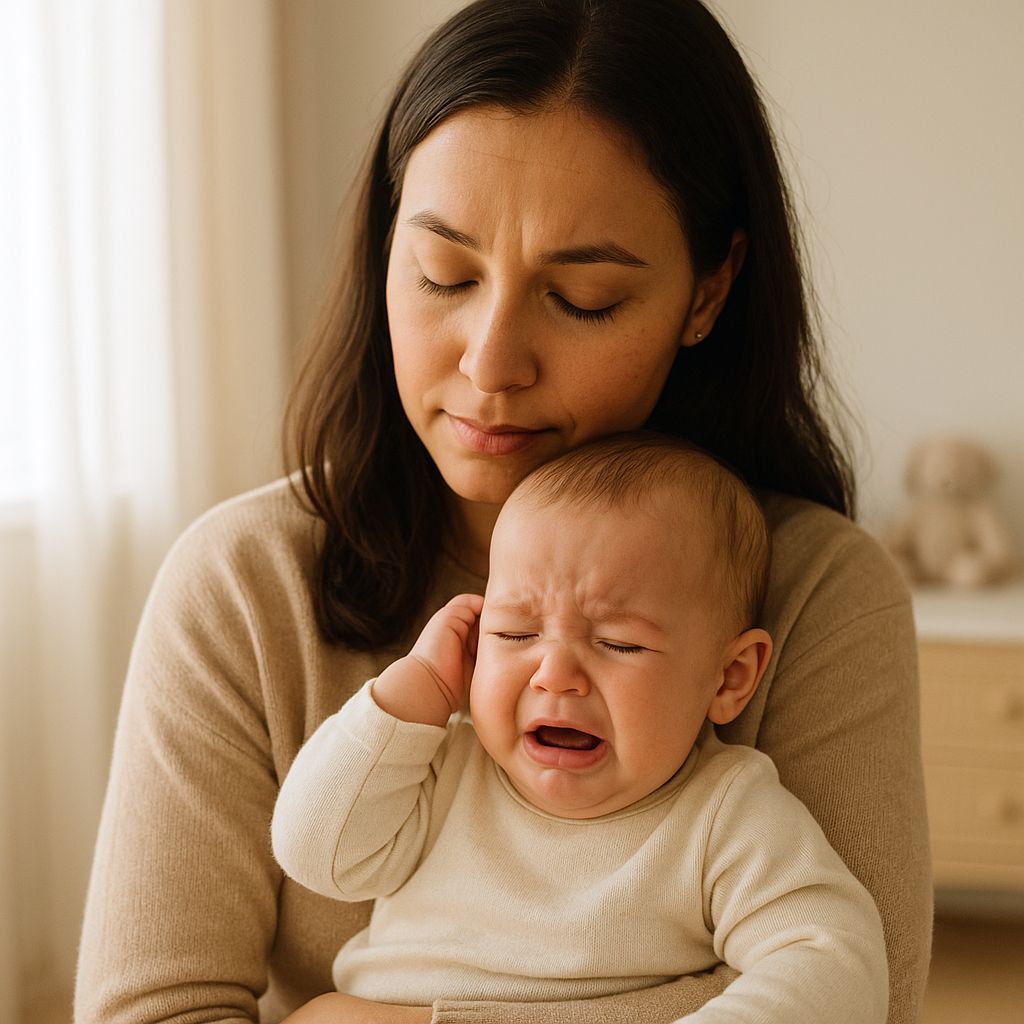
Cradle cap is a common scalp condition in infants, characterized by yellowish, scaly patches. It’s usually harmless and resolves on its own, but gentle care can help:
- Wash regularly with mild baby shampoo.
- Use a soft-bristled brush to loosen flakes.
- Avoid picking or scraping the scalp.
- Consult your pediatrician if it persists or worsens.
Hair Loss
Many babies experience hair loss during the first six months. This is usually temporary and not a cause for concern. Causes include:
- Hormonal changes
- Friction from sleeping positions
- Natural hair growth cycles
Hair typically regrows within a few months.
Dry Scalp & Flaking
If your baby’s scalp is dry or flaky, avoid overwashing and ensure you’re using gentle products. Avoid oils unless recommended by your pediatrician, as they can clog pores or cause irritation.
Safe Grooming Practices
Brushing & Combing
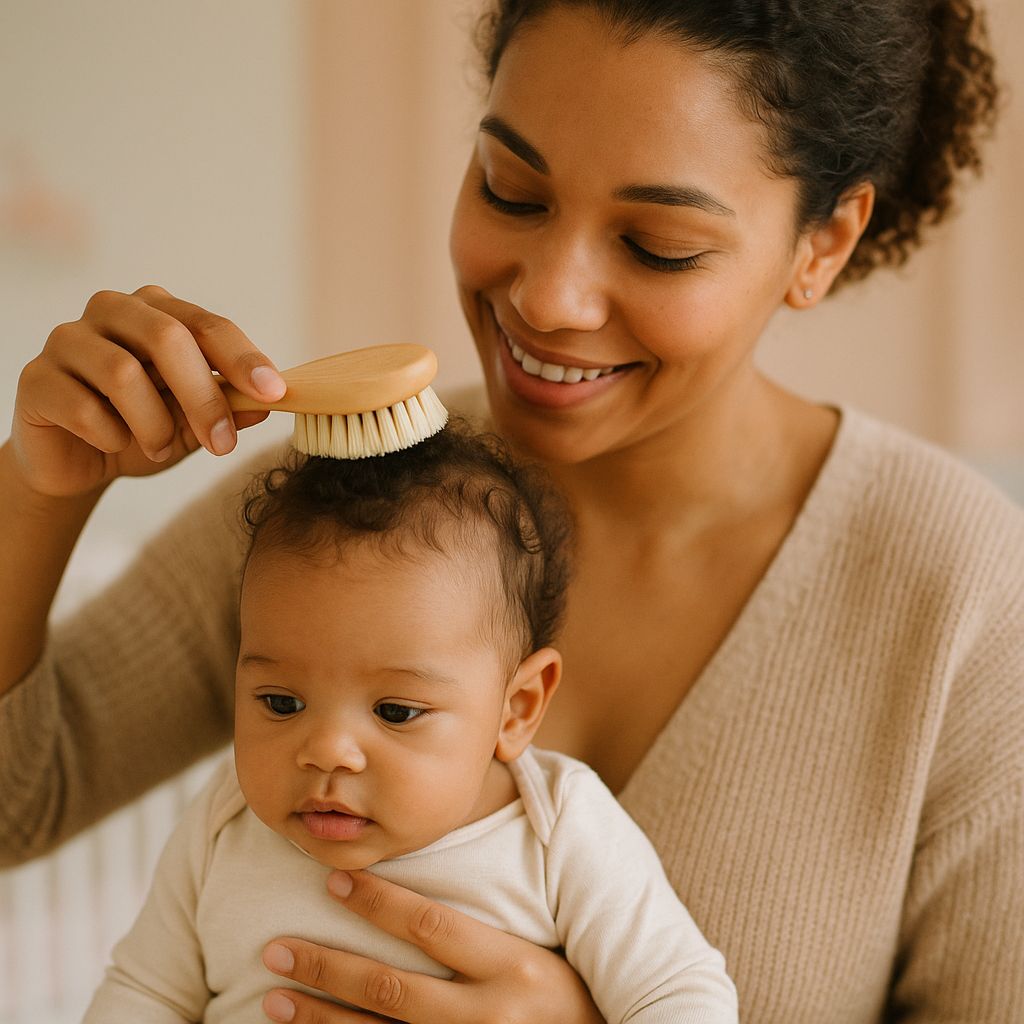
Use soft-bristled brushes or wide-toothed combs designed for babies. Avoid tugging or brushing when hair is wet, as it’s more fragile.
- Brush gently to stimulate circulation and prevent tangles.
- Do not use adult brushes or sharp combs.
Styling Tips (If Any)
For infants, styling should be minimal. Avoid tight ponytails, clips, or bands that can pull on hair or damage the scalp. If you need to secure hair, use soft, fabric-covered bands and avoid leaving them in for extended periods.
When to Consult a Pediatrician
Contact your doctor if you notice:
- Persistent scalp rash or severe dryness
- Excessive hair loss or bald spots
- Bleeding or oozing from the scalp
- Signs of infection (redness, swelling, fever)
Myths and Facts About Baby Hair Care
- Myth: Shaving a baby’s head makes hair thicker.
Fact: Hair thickness is determined by genetics, not shaving. - Myth: Oiling is necessary for healthy hair.
Fact: Most babies don’t need oils; natural scalp oils suffice. - Myth: Daily washing is required.
Fact: Overwashing can dry out the scalp; 2-3 times a week is adequate.
Tips for Encouraging Healthy Hair Growth
- Ensure a balanced diet if your baby is eating solids.
- Protect the scalp from excessive sun exposure.
- Allow hair to air dry; avoid blow dryers or heat styling.
- Keep baby’s bedding clean to reduce friction and irritation.
Special Considerations for Different Hair Types
Babies can have a variety of hair textures. Here’s how to care for each:
- Fine Hair: Avoid heavy products; brush gently.
- Curly Hair: Use a wide-toothed comb; avoid tangling.
- Thick Hair: Wash in sections; use extra care when detangling.
Conclusion
Hair care for babies is about gentle, thoughtful routines that honor their delicate scalp and evolving hair. With the right products, safe washing, and attentive grooming, you’ll help your infant develop healthy hair habits from the very beginning. Remember, every baby’s hair journey is unique—embrace it with patience and care.
Frequently Asked Questions
- How often should I wash my baby's hair?
- For most infants, washing their hair 2-3 times a week is sufficient. Overwashing may strip natural oils and dry out the scalp.
- Can I use regular shampoo on my baby?
- No. Adult shampoos contain harsh chemicals unsuitable for infant skin. Always use mild, fragrance-free baby shampoos.
- What should I do if my baby has cradle cap?
- Gently wash the scalp with baby shampoo and use a soft brush to loosen scales. If it persists or worsens, consult your pediatrician.
- Is it normal for my baby's hair to fall out?
- Yes. Many infants experience hair shedding within the first few months. New hair usually grows back, sometimes with a different texture or color.
- Should I oil my baby's hair?
- Oiling is not necessary for most babies and may cause irritation. If you wish to use oil, choose a hypoallergenic, pediatrician-approved product and use sparingly.