
Top Games to Develop the Minds of Toddlers: Boosting Growth Through Play
Toddlers are rapidly learning about the world every day. Their brains are forming more than one million neural connections every second in the early years. This period is crucial for cognitive, emotional, and social development. But how can parents and caregivers ensure their toddler is getting the best mental stimulation? The answer lies in play.
The Power of Play in Toddler Development
Play is not just about keeping toddlers entertained—it is a vital component of learning. Through engaging games, children develop critical thinking, language, memory, social, and emotional skills. The right games to develop minds of toddlers can turn everyday moments into powerful learning experiences.
Key Areas of Toddler Mind Development
- Cognitive Skills: Problem-solving, memory, and logical reasoning.
- Language Skills: Vocabulary, listening, and communication.
- Social-Emotional Skills: Empathy, cooperation, and self-regulation.
- Physical Coordination: Fine and gross motor skills that support brain development.
Best Games to Develop Minds of Toddlers
1. Puzzle Play
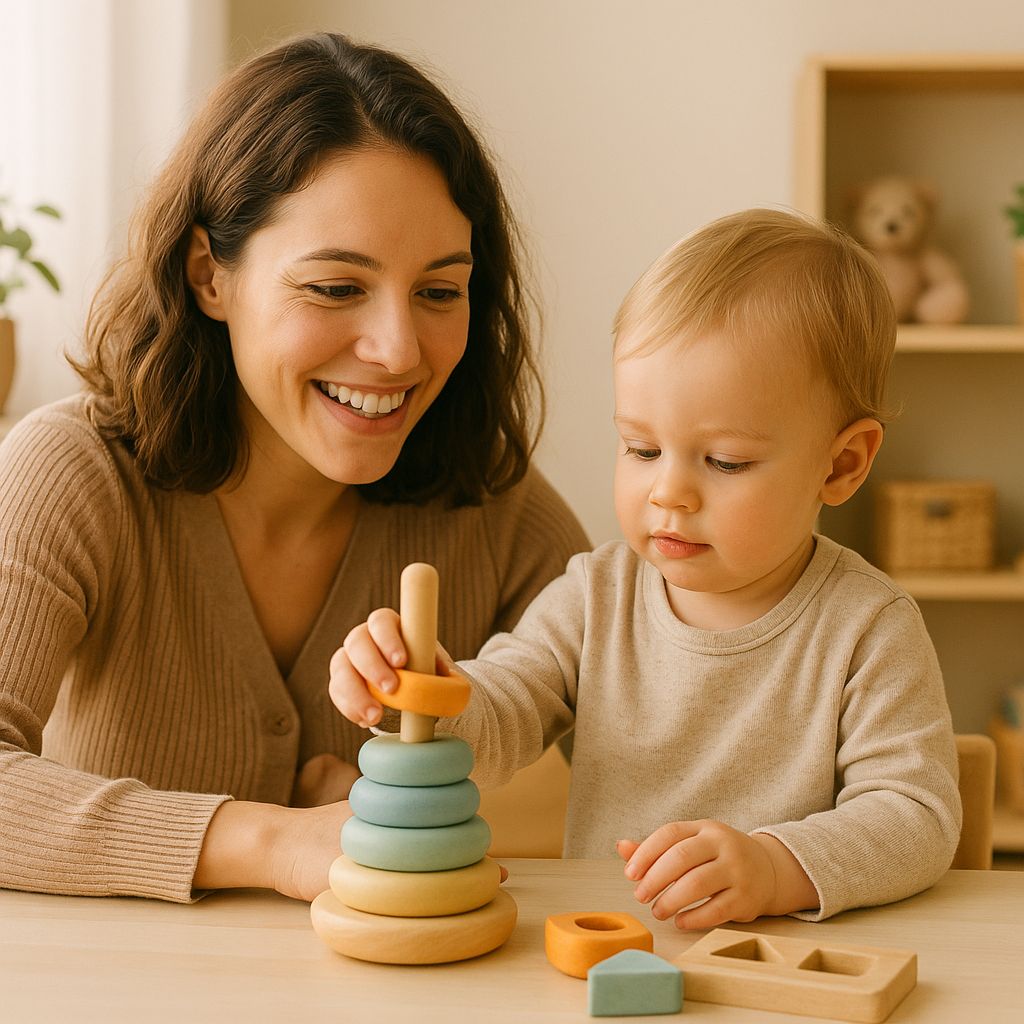
Puzzles are classic toddler brain development games that encourage problem-solving, hand-eye coordination, and patience. Start with simple wooden puzzles with large pieces. As your child grows, increase the complexity to shape sorters or interlocking puzzles.
- Tip: Sit with your toddler, model how to complete the puzzle, and talk about the shapes and colors.
2. Sorting and Matching Games
Sorting objects by color, size, or shape is a powerful cognitive development activity for toddlers. Use blocks, balls, or even socks from the laundry basket. Matching picture cards or memory games also build concentration and recognition skills.
- Try: "Find the Red Block," or match lids to containers during kitchen playtime.
3. Pretend Play and Role-Playing
Pretend play, from cooking with toy sets to playing doctor, boosts imagination, language, and social skills. It allows toddlers to experiment with different roles and scenarios, learning empathy and problem-solving along the way.
- Engage: Join your toddler’s pretend play, narrate actions, and introduce new vocabulary.
4. Building and Stacking Games
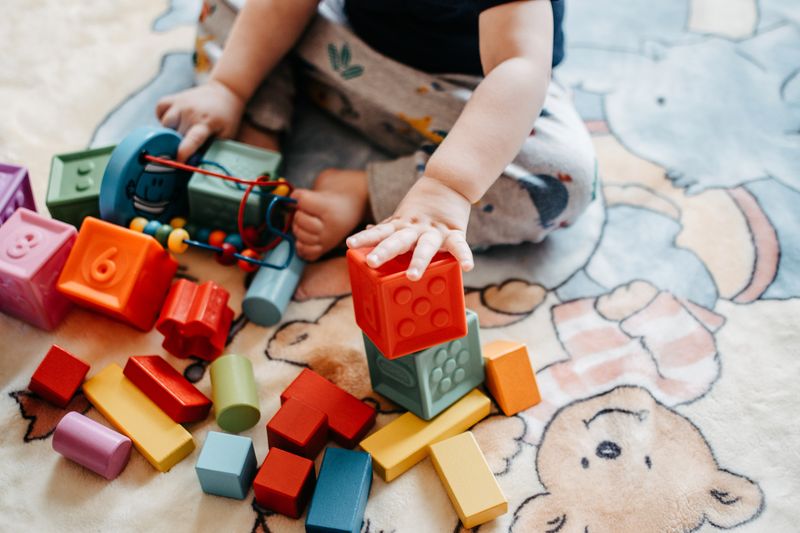
Blocks, stacking cups, and construction sets are excellent educational games for toddlers. These activities enhance spatial reasoning, motor skills, and creativity.
- Challenge: Ask your toddler to build a tower “as tall as the teddy bear,” or create a simple bridge.
5. Simple Board Games
There are many best games for toddlers in the form of age-appropriate board games. Look for those focusing on colors, shapes, or counting, such as Snail’s Pace Race or First Orchard.
- Benefit: Board games teach turn-taking, following rules, and patience.
6. Music and Movement Games
Clapping to rhythms, dancing to songs, and playing simple instruments (like shakers) support auditory processing and coordination. Musical games like “Freeze Dance” or “Head, Shoulders, Knees, and Toes” build memory and listening skills.
- Involve: Sing together and encourage your toddler to copy simple movements.
7. Outdoor Exploration and Obstacle Courses
Outdoor play is essential for both physical and cognitive development. Create simple obstacle courses using pillows, boxes, or hula hoops. Activities like treasure hunts stimulate problem-solving and observation.
- Example: "Can you hop to the blue circle and crawl under the table?"
8. Storytelling and Reading Games
Reading together is one of the most effective toddler learning games. Boost engagement by asking questions about the story, letting your toddler turn pages, or acting out scenes.
- Expand: Use puppets or toys to retell favorite stories.
9. Sensory Play
Sensory bins filled with rice, beans, or water, as well as playdough and finger painting, stimulate the senses and encourage creativity. Sensory play supports cognitive development by helping toddlers make sense of the world through exploration.
- Supervise: Always supervise sensory play, especially with small objects, to ensure safety.
10. Simon Says and I Spy
These classic games teach listening, memory, and attention. “Simon Says” is perfect for following instructions, while “I Spy” boosts observation and vocabulary.
- Adapt: Use objects in your environment and adjust the difficulty based on your child's age.
Everyday Household Games for Mind Development
You don’t need expensive toys to nurture your toddler’s mind. Here are simple games using everyday objects:
- Sorting spoons and forks—teaches categorizing and fine motor skills.
- Matching socks—improves memory and color recognition.
- Hide and seek with toys—enhances spatial awareness and problem-solving.
- Pouring water between cups—develops coordination and understanding of volume.
Guidelines for Parents: Maximizing the Benefits of Play
- Follow your toddler’s lead. Offer choices and let your child’s interests guide play.
- Encourage exploration. Allow safe messes and mistakes—they are part of learning.
- Be present. Play alongside your child, ask questions, and model curiosity.
- Rotate games and toys. Keep activities fresh by introducing new challenges regularly.
- Limit screen time. Prioritize hands-on activities for optimal brain development.
The Science Behind Play-Based Learning
Research shows that play-based learning enhances memory, adaptability, language, and executive function in toddlers. The American Academy of Pediatrics recommends play as a key strategy for early childhood development, supporting the formation of social bonds and emotional regulation.
When to Seek Extra Support
All children develop at their own pace, but if your toddler is not engaging in play, has difficulty interacting, or shows delayed communication skills, consult your pediatrician. Early intervention can make a significant difference.
Conclusion: Every Game is a Learning Opportunity
The best games to develop minds of toddlers are those filled with laughter, curiosity, and connection. Whether you’re building a tower of blocks, pretending to be animals, or singing together, each moment is laying the foundation for a lifetime of learning. With your support and creativity, play will not only entertain but also empower your toddler to thrive.
Frequently Asked Questions
- What types of games are best for toddler brain development?
- The best games include puzzles, sorting, matching, pretend play, and simple board games, supporting a range of cognitive, emotional, and social skills.
- How much playtime do toddlers need each day?
- Experts recommend 1–2 hours of active play daily, spread throughout the day in both structured and unstructured activities.
- Can screen-based games be beneficial for toddlers?
- While some educational apps can supplement learning, hands-on and physical games remain optimal. Limit screen time to short, supervised sessions.
- Do I need special toys for these games?
- No, many games can be played with household objects such as cups, blocks, or socks. Creativity is key!
- How do these games help with emotional and social skills?
- Games encourage communication, cooperation, and emotional expression, fostering empathy and patience, especially during group or parent-child play.
References
- American Academy of Pediatrics. (2018). The Power of Play: A Pediatric Role in Enhancing Development in Young Children. Pediatrics, 142(3), e20182058.
- Center on the Developing Child at Harvard University. (2023). Brain Architecture.
- Zero to Three. (2022). Play: How It Fosters Cognitive Development.