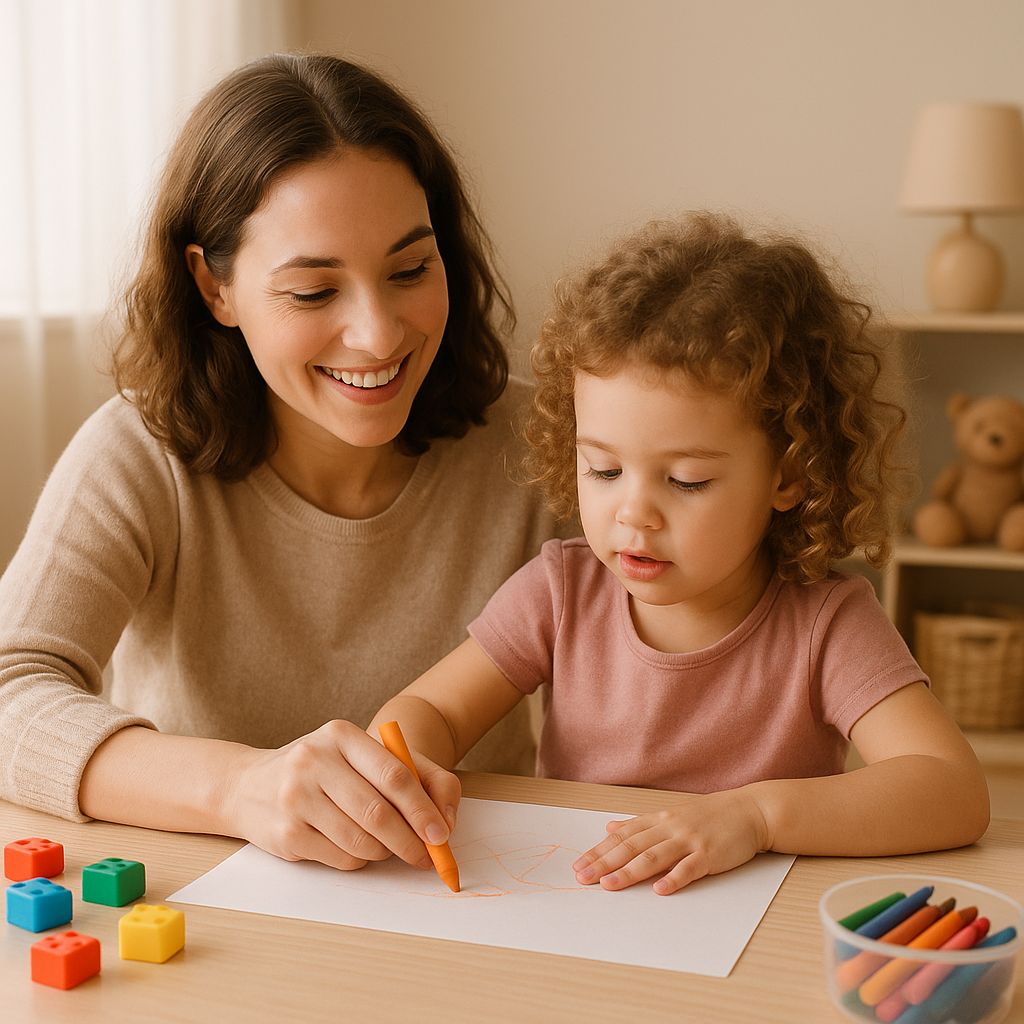

Fun Indoor Activities for Preschoolers: Creative Ideas for Rainy Days
When the weather keeps you and your preschooler indoors, it’s easy to worry about boredom or excessive screen time. But staying inside doesn’t have to mean less fun or fewer learning opportunities! In fact, indoor activities can spark imagination, encourage movement, and build important skills—all from the comfort of your own home. Whether you’re facing a rainy day, cold weather, or simply want to mix up your routine, these fun indoor activities for preschoolers will keep your little one giggling and engaged.
Why Indoor Activities Matter for Preschoolers
Preschoolers thrive on play, exploration, and hands-on learning. Indoor activities offer a safe environment to develop motor skills, language, creativity, and social abilities. Plus, they provide a wonderful opportunity for family bonding. With a little planning and creativity, your living room can transform into a magical play space!
Simple Indoor Activities Using Everyday Items
You don’t need a fancy playroom or expensive toys. Many of the best indoor activities for preschoolers use items you already have. Here are some easy and effective ideas:
- Building with Blocks or Cups: Stack and knock down, make castles, or sort by color. Blocks and sturdy cups are perfect for fine motor skill development.
- DIY Obstacle Course: Use pillows, chairs, and blankets to create a course for crawling, jumping, and balancing. Challenge your child to go fast, slow, or backwards!
- Scavenger Hunt: Hide favorite toys or objects around the house and give clues or create a simple map. This boosts observation and problem-solving skills.
- Tape Shape Game: Use painter’s tape to make shapes or lines on the floor. Have your child jump, hop, or crawl along the path.
- Sorting and Matching: Gather socks, buttons, or toy animals and ask your child to sort by color, size, or type. This is a great way to reinforce math concepts.
Arts and Crafts for Creative Preschool Play
Arts and crafts are a classic indoor activity, offering endless opportunities for creativity and skill-building. Here are some preschool-friendly projects:
- Finger Painting: Use washable paints and large sheets of paper. Let your child mix colors, create shapes, and explore textures.
- Paper Plate Masks: Cut eye holes in paper plates, then decorate with markers, stickers, or scraps. Pretend to be animals, superheroes, or silly characters!
- Collage Creations: Provide magazines, colored paper, glue, and safety scissors. Help your child cut and paste to make fun scenes or silly faces.
- Playdough Sculptures: Homemade or store-bought playdough is perfect for rolling, squishing, and creating. Add cookie cutters or plastic utensils for extra fun.
- Sticker Stories: Use stickers to create a scene, then encourage your child to tell a story about what’s happening. This supports language development and imagination.
Movement Activities: Burn Off Energy Indoors
Preschoolers need to move! Even inside, you can help them stay active and healthy. Try these movement activities:
- Dance Party: Turn on favorite tunes and dance together. Freeze the music and see who can hold the funniest pose!
- Animal Walks: Pretend to be different animals—hop like a bunny, slither like a snake, stomp like an elephant. Great for gross motor skills and imagination.
- Simon Says: Play the classic game with silly commands: “Simon says touch your toes!” or “Simon says wiggle your fingers!”
- Balloon Volleyball: Clear some space, blow up a balloon, and gently hit it back and forth without letting it touch the ground.
- Yoga for Kids: Simple poses like tree, butterfly, or downward dog are easy to learn and calming for little ones.
Quiet Activities for Calm Moments
When you need a quieter activity—perhaps before nap time or after a busy day—try these calming ideas:
- Puzzle Time: Age-appropriate puzzles help with spatial reasoning and patience.
- Storytelling and Reading: Let your child pick the stories, or create your own together. Use funny voices or act out scenes to make it interactive.
- Coloring and Drawing: Offer crayons, markers, or colored pencils. Encourage your preschooler to draw their favorite things or doodle freely.
- Listening Games: Play "I Spy" or ask your child to find sounds around the house (the ticking clock, the hum of the fridge).
- Mindfulness Moments: Try simple breathing exercises, gentle stretches, or a guided relaxation story.
Imaginative Play: Fueling Preschooler Creativity
Imaginative play is essential for preschoolers, helping them process emotions, practice social skills, and explore new ideas. Here are some ways to encourage pretend play indoors:
- Dress-Up: Use old clothes, hats, scarves, and costume jewelry. Let your child become a pirate, doctor, chef, or anything else they dream up.
- Puppet Shows: Make simple puppets from socks or paper bags, then put on a show together.
- Kitchen Play: Set up a pretend kitchen with toy food and utensils, or let your child help with real (supervised) cooking tasks like stirring or pouring.
- Pretend Store: Create a mini store using household items. Practice shopping, paying, and selling. This is great for social skills and early math.
- Story Acting: Read a favorite book together and act out the characters or scenes.
DIY Sensory Activities for Preschoolers
Sensory play is fantastic for preschool development—helping children explore textures, smells, and sounds. Try these easy indoor sensory activities:
- Rice or Pasta Sensory Bin: Fill a shallow bin with dry rice or pasta, add small toys, measuring cups, or spoons. Let your child scoop and sort.
- Water Play: Set up a towel, a shallow tub of water, and some cups or boats. Supervise closely and let your child pour, splash, and experiment.
- Nature Exploration: Gather leaves, rocks, or pinecones (if available) and let your child inspect, sort, and feel different textures.
- Homemade Slime or Gak: Make simple slime with safe recipes and let your child squish and stretch.
- Scented Playdough: Add a drop of vanilla or peppermint extract to playdough for extra sensory fun.
Learning Activities: Indoor Play That Teaches
Many indoor activities double as learning opportunities. Here are some favorites for preschoolers:
- Counting Games: Count toys, steps, or snacks together. Use objects to practice simple addition or subtraction.
- Letter Hunt: Hide magnetic letters or write letters on sticky notes. Challenge your child to find them and match to words or names.
- Shape Sorting: Cut shapes from paper and ask your child to match, name, or sort them.
- Color Mixing: Combine paints or colored water to see what happens. Discuss new colors and encourage experimentation.
- Pattern Play: Use blocks, beads, or stickers to create repeating patterns. Ask your child what comes next!
Tips for Successful Indoor Play
- Follow Your Child’s Interests: If they love animals, incorporate animal-themed games. If they enjoy building, focus on blocks or construction.
- Mix Structured and Free Play: Offer some guidance, but allow plenty of time for your preschooler to explore independently.
- Rotate Activities: Change up toys and games every few days to keep things fresh and exciting.
- Encourage Family Participation: Join in the play! Preschoolers love sharing activities with grown-ups, and it strengthens bonds.
- Be Flexible: Some days your child may prefer quiet play, other days they’ll want to move. Adapt as needed.
Indoor Activities for Group Play
If you have multiple preschoolers or friends over, try these group-friendly indoor activities:
- Musical Chairs: Use soft chairs or pillows. Play music, and when it stops, everyone finds a seat!
- Team Building Blocks: Collaborate on building a tall tower or large structure.
- Group Storytelling: Each child adds a sentence or action to a story.
- Relay Races: Use bean bags or soft balls for indoor relays.
- Circle Games: Play “Duck, Duck, Goose” or “Hot Potato.”
Making the Most of Indoor Playtime
Indoor activities aren’t just a backup plan—they’re a chance to connect, learn, and laugh together. By offering a mix of creative, movement, quiet, and sensory play, you’ll help your preschooler develop new skills and stay happy, no matter the weather.
Key Takeaways
- Indoor activities can be both fun and educational for preschoolers.
- Creative play helps develop motor, cognitive, and social skills.
- Simple household items can be transformed into engaging games.
- Routine indoor play boosts imagination and fosters family bonding.
- Adapt activities to your child’s interests and abilities for best results.
Frequently Asked Questions
- What are some easy indoor activities for preschoolers?
- Some easy indoor activities include building with blocks, arts and crafts, scavenger hunts, obstacle courses, and sensory bins. These require minimal setup and use items you likely already have at home.
- How can I keep my preschooler active indoors?
- Set up mini obstacle courses, dance parties, or simple movement games like Simon Says. These activities help burn off energy and develop gross motor skills, even when space is limited.
- Are indoor activities educational for preschoolers?
- Absolutely! Many indoor activities encourage learning through play, such as sorting games, counting, storytelling, and creative arts. These support language, math, and social development.
- How can I make indoor play more creative?
- Encourage your child to invent their own games, use household items in new ways, and explore imaginative play like pretending to be different animals or acting out stories. Let their interests guide your activity choices.
Final Thoughts
Whether it’s a rainy day or just a cozy afternoon inside, there’s no shortage of fun indoor activities for preschoolers. With a little imagination and enthusiasm, you’ll turn ordinary moments into extraordinary memories. So gather your supplies, clear some space, and let the giggles begin!