
Foods to Avoid for Toddlers (1–3 Years): A Parent's Guide
As your little one transitions from babyhood to toddlerhood, their nutritional needs and eating habits undergo significant changes. It’s an exciting time—filled with new tastes, textures, and mealtime adventures! But it’s also a period that requires extra attention to food safety and nutrition. Toddlers (aged 1–3 years) are naturally curious, have developing chewing skills, and are prone to food-related risks like choking and allergies. Wondering what foods to avoid for toddlers? This comprehensive guide will help you navigate these challenges, keeping your child safe, healthy, and happy.
Why Are Some Foods Unsafe for Toddlers?
Toddlers are not just mini adults—they have unique physical and developmental characteristics that make certain foods unsafe. Their airways are small, their chewing and swallowing skills are still developing, and they’re more prone to foodborne illnesses. Some foods pose choking hazards, others may trigger allergies, and some can simply overwhelm their system with salt, sugar, or additives.
Common Choking Hazards for Toddlers
Choking is one of the top food-related dangers for toddlers. The American Academy of Pediatrics (AAP) recommends avoiding foods that are hard, round, sticky, or tough. Here’s a list of foods to avoid or modify:
- Whole grapes and cherry tomatoes: Always cut these into quarters or smaller.
- Nuts and seeds: Avoid whole nuts and seeds; nut butters should be thinned and spread thinly.
- Popcorn: Not recommended until age 4 due to risk of choking.
- Hard candies, gum, and marshmallows: Remove these from your toddler’s diet completely.
- Hot dogs and sausages: Cut lengthwise and then into small pieces; never serve whole or in thick rounds.
- Raw carrots, apples, and celery: Serve cooked or finely shredded.
- Peanut butter: Serve in thin layers, never by the spoonful.
- Cheese cubes: Cut into thin strips or grate.
Always supervise your toddler during meals and snacks, and encourage them to sit while eating.
Foods That May Cause Allergies
Food allergies are a growing concern among parents. While new guidelines encourage early introduction of common allergens (like peanuts and eggs) to help prevent allergies, it’s important to proceed cautiously—especially if your child has a family history of allergies. Common allergenic foods include:
- Milk (cow’s milk and dairy products)
- Eggs
- Peanuts and tree nuts
- Fish and shellfish
- Wheat
- Soy
Introduce these foods one at a time and watch for signs of allergic reaction, such as hives, vomiting, diarrhea, or difficulty breathing. Consult your pediatrician for guidance, especially if allergies run in your family.
Foods That Are Hard to Digest
Toddlers’ digestive systems are still maturing. Some foods can be tough on their tummies, causing discomfort or upset. Avoid:
- Spicy foods: Can irritate the digestive tract.
- Fried and greasy foods: Hard to digest and may cause tummy upset.
- High-fiber foods: Such as bran cereals or whole beans, which can cause gas and bloating.
Foods High in Salt, Sugar, and Additives
Toddlers don’t need extra salt or sugar in their diets. These additives can lead to unhealthy eating habits, impact growth, and even harm developing organs. Here’s what to avoid:
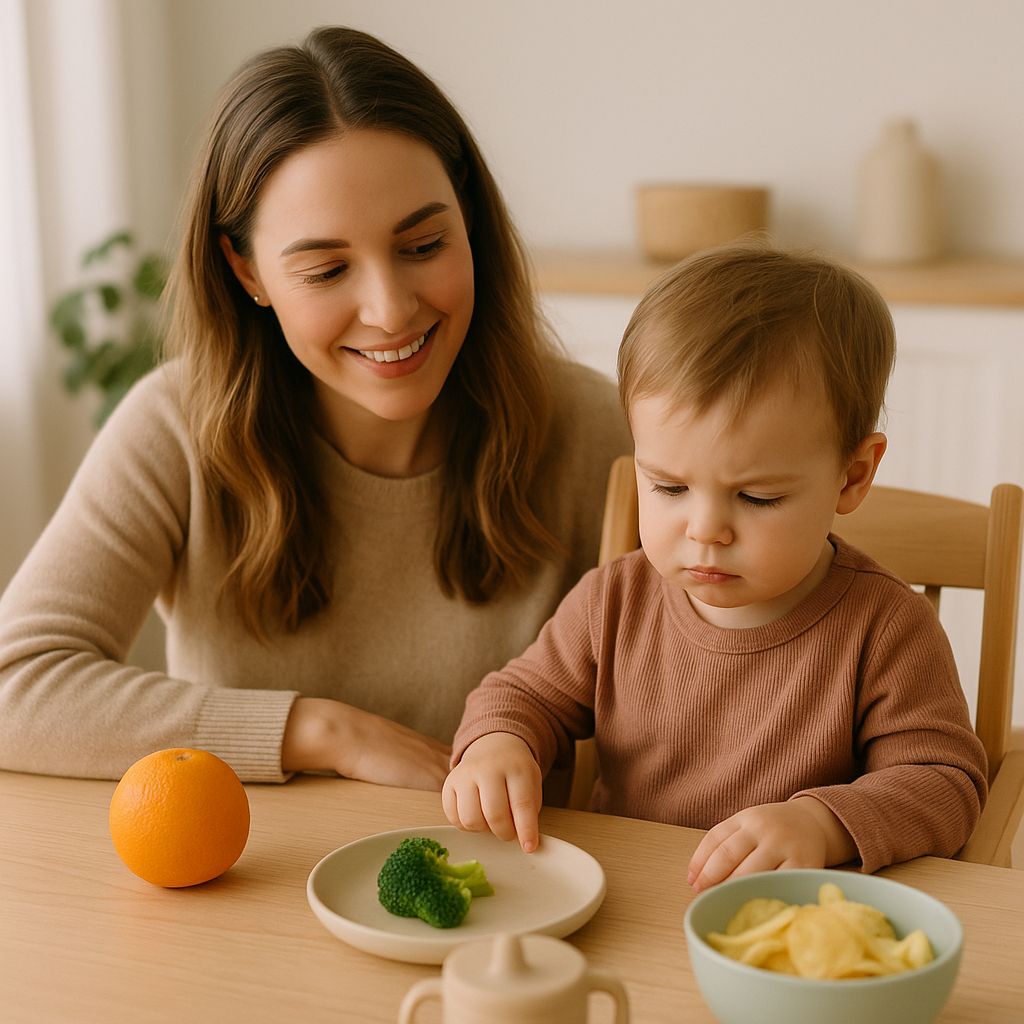
- Processed snacks: Such as chips, pretzels, and crackers—often loaded with salt.
- Sugary treats: Like cookies, cakes, candies, and sweetened beverages.
- Soft drinks and fruit juices: Offer water or milk instead; juices are best limited or avoided.
- Fast food and takeout: Often high in salt, sugar, and unhealthy fats.
- Canned soups and meals: Check labels for sodium content.
Foods That May Cause Foodborne Illness
Young children are more vulnerable to foodborne illnesses. Avoid:
- Raw or undercooked eggs: Risk of salmonella.
- Raw fish or shellfish: Sushi and oysters are off-limits.
- Unpasteurized dairy products: Can contain harmful bacteria.
- Honey (for children under 12 months): Risk of infant botulism.
Foods to Avoid for Toddlers with Special Dietary Needs
If your toddler has medical conditions, allergies, or sensitivities, consult your pediatrician for personalized advice. Some children may require dairy-free, gluten-free, or other special diets.
Safe Food Preparation Tips
- Cut foods into small, manageable pieces—no larger than half an inch.
- Cook or steam hard vegetables and fruits.
- Remove pits, seeds, and tough skins.
- Grate or mash foods as needed.
- Serve nut butters thinly spread on bread or crackers.
- Supervise mealtime and encourage slow, mindful eating.
What Should Toddlers Eat Instead?
Toddlers need a balanced diet rich in:
- Fresh fruits and veggies (cooked or cut appropriately)
- Whole grains
- Lean proteins (chicken, turkey, beans, lentils)
- Healthy fats (avocado, olive oil)
- Milk or milk alternatives (if not allergic)
Offer a variety of flavors and textures, but always prioritize safety and nutritional balance.
Signs Your Toddler May Be Reacting to Unsafe Foods
Watch for:
- Choking, coughing, or gagging
- Rash, hives, or swelling
- Vomiting or diarrhea
- Difficulty breathing
- Excessive gas or stomach pain
If you notice these symptoms after introducing a new food, seek medical attention promptly.
Frequently Asked Questions
- Why are some foods dangerous for toddlers?
- Toddlers have small airways, undeveloped chewing skills, and sensitive digestive systems. Foods that are hard, sticky, or small can cause choking, while others may trigger allergies or overload their bodies with salt, sugar, or additives.
- What are common choking hazards for toddlers?
- Common choking hazards include whole grapes, nuts, popcorn, hard candies, raw carrots, hot dogs, and peanut butter. Always cut food into small pieces and supervise your child while eating.
- How can I make meals safer for my toddler?
- Serve age-appropriate portions, cut foods into small, manageable pieces, cook or soften hard foods, and avoid offering known choking hazards. Always supervise your toddler during meals.
- Are there foods that can cause allergies in toddlers?
- Yes, foods like cow’s milk, eggs, peanuts, fish, shellfish, soy, and wheat can cause allergic reactions. Introduce these foods carefully and consult your pediatrician if your child has a family history of allergies.
- Is honey safe for toddlers?
- No, honey is not safe for children under 12 months due to the risk of infant botulism. After your child turns one, honey can be introduced in moderation.
Final Thoughts: Navigating Toddler Nutrition Safely
Feeding your toddler can feel daunting, but with the right knowledge, you can confidently provide safe, nutritious meals. Avoiding certain foods during the toddler years isn’t about denying your child variety—it’s about protecting their health, preventing accidents, and laying the foundation for lifelong healthy eating habits. Remember, every child is unique. If you’re ever unsure, consult your pediatrician or a registered dietitian for guidance tailored to your family.
Happy mealtimes and growing giggles await!