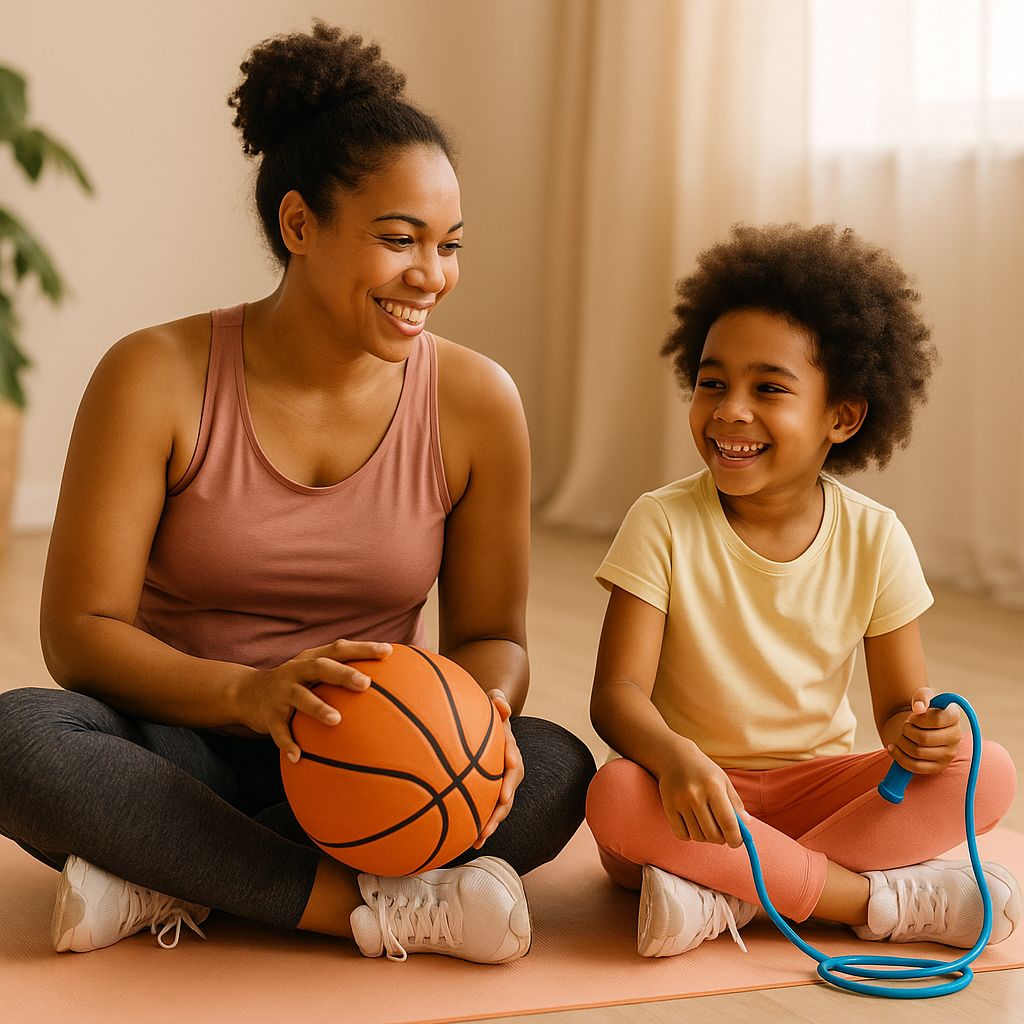

Fitness Activities to Keep Kids Active: Expert Tips for Healthy, Happy Kids
In today’s digital age, keeping kids physically active is more important—and more challenging—than ever. As screens and sedentary lifestyles encroach on childhood, parents must prioritize fitness activities that promote health, happiness, and holistic development. This comprehensive guide from Growing Giggles brings you expert strategies, practical ideas, and actionable routines to help kids stay active, develop essential skills, and spark lifelong enthusiasm for movement.
Why Is Physical Activity Vital for Kids?
Physical activity isn’t just about burning off energy—it’s a cornerstone of childhood development. Regular exercise helps children:
- Build strong bones, muscles, and joints
- Maintain a healthy weight
- Improve cardiovascular health
- Boost mood and reduce stress
- Enhance focus and academic performance
- Develop social skills through teamwork and play
According to the Centers for Disease Control and Prevention (CDC), children aged 6-17 should get at least 60 minutes of moderate to vigorous physical activity every day. The benefits go far beyond physical health, influencing mental, emotional, and social well-being.
The Challenges of Keeping Kids Active
Modern life presents unique obstacles to children’s activity:
- Screen time: TV, tablets, and video games can lead to sedentary habits
- Busy schedules: Academic demands and extracurriculars may limit playtime
- Safety concerns: Limited access to safe outdoor spaces or weather constraints
- Lack of motivation: Some children may prefer passive activities or feel self-conscious
Overcoming these challenges requires creativity, flexibility, and a supportive environment. Parents play a pivotal role in modeling healthy behaviors and making fitness a family priority.
Top Fitness Activities to Keep Kids Active
Variety is key to sustaining children’s interest in physical activity. Here are expert-recommended activities for all ages and interests:
1. Outdoor Adventures
- Biking: Family bike rides or neighborhood cycling build endurance and balance
- Hiking: Nature walks introduce kids to new environments and stimulate curiosity
- Soccer or Basketball: Team sports teach teamwork and agility
- Tag and Capture the Flag: Classic games encourage running, problem-solving, and social interaction
- Jump Rope: Improves coordination and cardiovascular fitness
- Obstacle Courses: Set up backyard challenges using cones, hula hoops, and tunnels
2. Indoor Activities
- Dance Parties: Put on music and let kids move freely or follow simple routines
- Yoga for Kids: Teaches flexibility, balance, and mindfulness
- Simon Says: Incorporate active movements like jumping, stretching, and balancing
- Fitness Videos: Choose age-appropriate online workouts or apps
- Indoor Obstacle Course: Use pillows, chairs, and tape to create a safe challenge
- Balloon Volleyball: A soft, safe way to play indoors
3. Family Fitness Activities
- Family Walks: Evening strolls promote bonding and healthy habits
- Group Challenges: Set step goals or activity streaks and celebrate milestones
- Gardening: Physical, educational, and rewarding for children
- DIY Fitness Games: Create bingo cards or scavenger hunts with physical tasks
- Seasonal Activities: Sledding, swimming, skating, or hiking depending on weather
4. Structured Exercise Routines
- Kids’ Circuit Training: Rotate through stations of jumping jacks, squats, push-ups, and planks
- Bodyweight Exercises: Safe for all ages—focus on proper form
- Stretching: Prevents injuries and improves flexibility
- Balance Exercises: Stand on one foot, walk a straight line, or use balance boards
Fun Fitness Games and Playful Approaches
Kids thrive when exercise feels like play. Try these creative games:
- Animal Moves: Crawl like a bear, hop like a frog, or slither like a snake
- Fitness Scavenger Hunt: Find objects or complete tasks linked to movement
- Active Board Games: Modify classics (e.g., Twister, Jenga) with physical tasks
- Freeze Dance: Dance until the music stops, then freeze in place
- Relay Races: Indoors or outdoors, with creative obstacles
Age-Appropriate Fitness: Tailoring Activities for Kids
Children’s abilities and interests evolve with age. Here’s how to adapt fitness activities:
Preschoolers (3-5 Years)
- Short, active bursts (5-10 minutes at a time)
- Simple games—tag, hide-and-seek, animal movements
- Focus on fun, not competition
Elementary School (6-12 Years)
- Longer sessions (30-60 minutes)
- Introduce sports, dance, and structured routines
- Encourage skill development and teamwork
Preteens (12+ Years)
- Higher intensity and variety
- Options for individual and group fitness (sports, running, strength training)
- Promote independence and self-motivation
Building Healthy Exercise Habits for Life
Fitness shouldn’t be a chore—it should be woven into daily life. Here are expert tips for fostering lasting habits:
- Lead by Example: Children mimic parents’ behaviors. Be active yourself.
- Make Fitness Routine: Schedule daily activity as a family priority.
- Celebrate Progress: Track achievements, reward effort, and encourage persistence.
- Let Kids Choose: Offer options and let children select their favorite activities.
- Keep It Positive: Focus on fun and improvement, not perfection.
- Mix It Up: Rotate activities to prevent boredom.
Safety First: Tips for Injury Prevention
- Ensure age-appropriate activities and equipment
- Supervise young children during exercise
- Warm up and cool down before and after activity
- Teach proper technique, especially for new exercises
- Stay hydrated and take breaks as needed
- Use protective gear for sports (helmets, pads)
Inclusivity: Fitness for Every Child
All children deserve the chance to be active, regardless of abilities or interests. Adapt activities to accommodate physical, sensory, or developmental needs. Encourage participation and celebrate all forms of movement.
Integrating Fitness into Daily Life
Small changes make a big difference:
- Walk or bike to school when possible
- Take activity breaks during homework or screen time
- Use stairs instead of elevators
- Play outside after meals
Technology and Fitness: Making Screen Time Active
Not all screen time is sedentary! Try these tech-based fitness options:
- Fitness Apps for Kids: Interactive movement games
- Dance or Yoga Videos: Guided routines with music and animation
- Active Video Games: Games that require jumping, dancing, or sports motions
Expert Advice: Overcoming Common Barriers
- Start small—gradually increase activity levels
- Focus on progress, not perfection
- Involve friends or siblings for social support
- Adapt activities for weather (indoor/outdoor options)
- Address reluctance with encouragement, not pressure
Sample Weekly Fitness Schedule for Kids
| Day | Activity | Duration |
|---|---|---|
| Monday | Family walk + dance party | 30 min + 20 min |
| Tuesday | Soccer practice or backyard obstacle course | 45 min |
| Wednesday | Yoga for kids + animal moves | 20 min + 15 min |
| Thursday | Biking or hiking | 40 min |
| Friday | Fitness scavenger hunt | 30 min |
| Saturday | Team sports or relay races | 60 min |
| Sunday | Stretching + gardening | 15 min + 25 min |
Conclusion: Making Movement a Lifelong Adventure
Fitness activities for kids are more than exercise—they’re a gateway to joy, discovery, and self-confidence. By prioritizing active play, varied routines, and family involvement, you help your child build healthy habits that will last a lifetime. Start today, embrace the fun, and watch your child thrive!
Frequently Asked Questions
- How much physical activity do kids need each day?
- Children aged 6-17 should aim for at least 60 minutes of moderate to vigorous physical activity daily, according to the CDC. This can be broken up into shorter sessions throughout the day.
- What are some fun fitness activities for kids indoors?
- Indoor activities include dance parties, yoga, obstacle courses, jumping jacks, creative movement games, and workout videos designed for children.
- How can I motivate my child to stay active?
- Set a positive example, make activities enjoyable, allow your child to choose their favorite exercises, join them in play, and celebrate their achievements.
- Are competitive sports necessary for kids to stay fit?
- No, competitive sports are just one of many ways to stay active. Non-competitive activities such as hiking, biking, swimming, and playful games are equally effective and beneficial.
- Is it safe for kids to do strength training?
- Yes, with proper supervision and age-appropriate exercises, kids can safely participate in strength training using bodyweight movements or light resistance. Avoid heavy weights and focus on form.
Resources and Further Reading
- CDC: Physical Activity Facts
- KidsHealth: Exercise and Kids
- Shape America: Physical Activity Guidelines
For more expert parenting tips and activity guides, visit Growing Giggles!