
First Aid Kits for Babies: What to Include for Complete Peace of Mind
Parenthood comes with delightful moments and, inevitably, a few bumps along the way. While we hope never to face emergencies, being prepared with a well-stocked first aid kit for babies is a non-negotiable aspect of keeping your little one safe. From tiny scrapes to unexpected fevers, having the right supplies at your fingertips can make all the difference. In this expert guide, we’ll walk you through exactly what to include in a baby first aid kit, how to organize it, and tips for using it effectively.
Why Every Parent Needs a Baby-Specific First Aid Kit
Babies are not just small adults; their needs are unique. Their sensitive skin, developing immune systems, and specific medication dosages mean that ordinary first aid kits may not suffice. A baby first aid kit is designed with infant safety in mind, including age-appropriate supplies and tools to handle common emergencies.
Baby First Aid Kit Essentials: What to Include
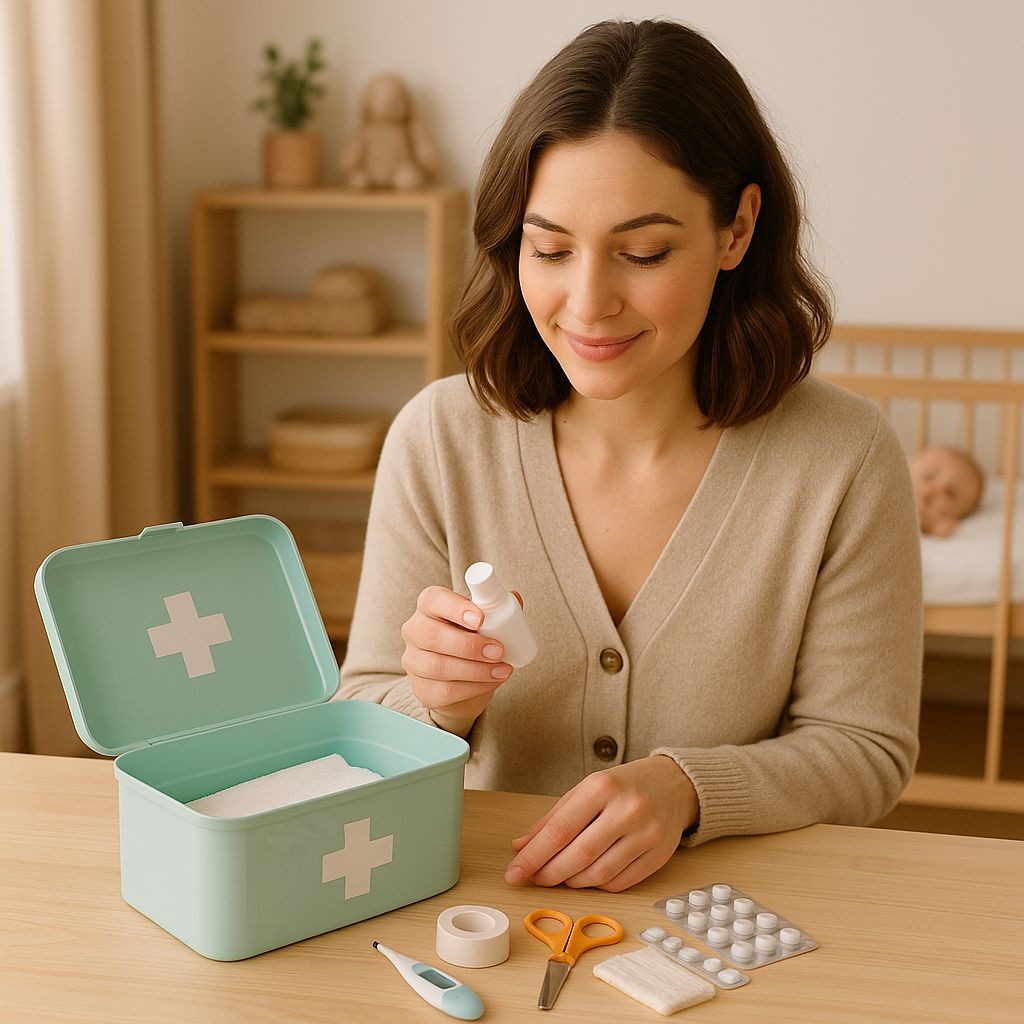
Below is a comprehensive list of items that should be in your baby’s first aid kit. These are organized by type for easy reference and assembly.
Medical Supplies
- Digital Thermometer (rectal or underarm): For accurate fever readings. Avoid mercury thermometers due to breakage risk.
- Infant Acetaminophen: For pain or fever, always check dosing with your pediatrician.
- Infant Ibuprofen: For babies six months and older, as advised by your doctor.
- Saline Nasal Drops or Spray: To help relieve nasal congestion.
- Oral Syringe or Medicine Dropper: For accurate medication dosing.
- Antibiotic Ointment: For minor cuts and scrapes.
- Hydrocortisone Cream (0.5% or 1%): For mild rashes and skin irritations (with pediatrician approval).
Wound Care & Bandaging
- Adhesive Bandages (various sizes): Hypoallergenic and latex-free preferred for sensitive skin.
- Gauze Pads & Rolls: For larger wounds or bleeding control.
- Medical Tape: Hypoallergenic, gentle adhesive.
- Alcohol-Free Wipes: For cleaning wounds without stinging.
- Cotton Balls & Swabs: For gentle cleaning and application.
Baby-Specific Tools
- Baby Nail Clippers or Scissors: For safely trimming tiny nails.
- Nasal Aspirator (bulb syringe or electric): To clear stuffy noses.
- Soft-Tipped Tweezers: For removing splinters or debris.
- Medicine Measuring Spoon or Cup: Ensures correct dosing.
- Medicine Pacifier: For babies who resist oral syringes.
Additional Health & Safety Items
- Instant Cold Pack: For bumps and bruises (wrap in cloth before use).
- Baby-Friendly Insect Repellent: For outdoor adventures (for babies over 2 months, as advised).
- Sunscreen (SPF 30+): For babies over 6 months.
- Sterile Gloves: For hygienic wound care.
- Emergency Contact Card: List pediatrician, local emergency numbers, and allergies/medical notes.
Optional but Useful Additions
- Thermometer Covers: For hygiene between uses.
- Infant Gas Relief Drops: As recommended by your pediatrician.
- Oral Rehydration Solution: For dehydration (as directed by a doctor).
- Baby Toothbrush and Teething Gel: For dental discomfort (age-appropriate).
- Emergency Blanket: Compact for travel, provides warmth if needed.
Organizing Your Baby’s First Aid Kit
Organization is key to using your infant medical kit efficiently during a stressful moment. Consider the following tips for assembly:
- Choose a sturdy, portable container: Clear, compartmentalized boxes or soft zippered cases work well.
- Label each section: For quick access to medications, wound care, or tools.
- Include usage instructions: Print out basic first aid steps and medication dosing charts for reference.
- Keep it accessible but out of reach of children: Store your kit in a known location, but away from curious hands.
- Consider a travel version: Assemble a mini kit for the diaper bag, stroller, or car.
How to Use Your Baby First Aid Kit in an Emergency
Preparation is only effective if you know how to use your kit’s contents. Take the time to:
- Familiarize yourself with each item: Practice using thermometers, aspirators, and medicine dispensers when calm.
- Take a baby first aid class: Organizations like the American Red Cross offer courses on infant CPR and first aid.
- Know when to seek help: Your kit is for minor injuries and symptoms. Call your pediatrician or emergency services for anything serious, such as breathing difficulties, seizures, or high fever unresponsive to medication.
Maintaining and Updating Your Kit
Regular maintenance ensures your kit is always ready:
- Check expiration dates: Medications, ointments, and sterile supplies should be in date.
- Restock after use: Replace items as soon as they’re used or if packaging is damaged.
- Update emergency contacts: Refresh medical information and numbers as needed.
Buying vs. Assembling: The Best Baby First Aid Kit for Your Family
Pre-assembled kits are widely available and offer convenience, but customizing your own ensures you’re prepared for your baby’s specific health needs, allergies, and family preferences. Many parents find the best approach is to purchase a quality basic kit and supplement it with personalized items.
First Aid Kit Checklist for Babies – Downloadable PDF
For your convenience, download our printable Baby First Aid Kit Checklist to help you assemble, organize, and maintain your kit with ease.
Conclusion: Ready for Anything
Being prepared doesn’t mean expecting the worst—it means empowering yourself to handle life’s little surprises with confidence. By assembling a comprehensive first aid kit for babies, you’re taking one of the most important steps in keeping your child safe and healthy at home and wherever you go. Remember to refresh your knowledge, restock your kit, and keep emergency contacts up to date. Your peace of mind is the best gift you can give your growing giggle!
Frequently Asked Questions
- Why is a baby-specific first aid kit important?
- Babies have unique medical needs and sensitivities that differ from older children and adults. A baby-specific first aid kit contains items tailored for infants’ safety, such as infant-safe medications, small-size bandages, and specialized tools like a baby nasal aspirator.
- How often should I check and update my baby’s first aid kit?
- You should review your baby’s first aid kit every 3 to 6 months, replacing expired medications, restocking used supplies, and updating emergency contact information as needed.
- Can I buy a pre-made baby first aid kit, or should I assemble my own?
- Pre-made kits offer convenience, but assembling your own ensures you include items specific to your baby’s health needs and your family’s lifestyle. Many parents opt for a combination: purchasing a basic kit and supplementing it with personalized items.
- What should I do if I need to use the first aid kit in an emergency?
- Stay calm, use the items as directed, and seek medical help if the situation is serious. Keep emergency numbers handy in your kit and familiarize yourself with basic infant first aid procedures.