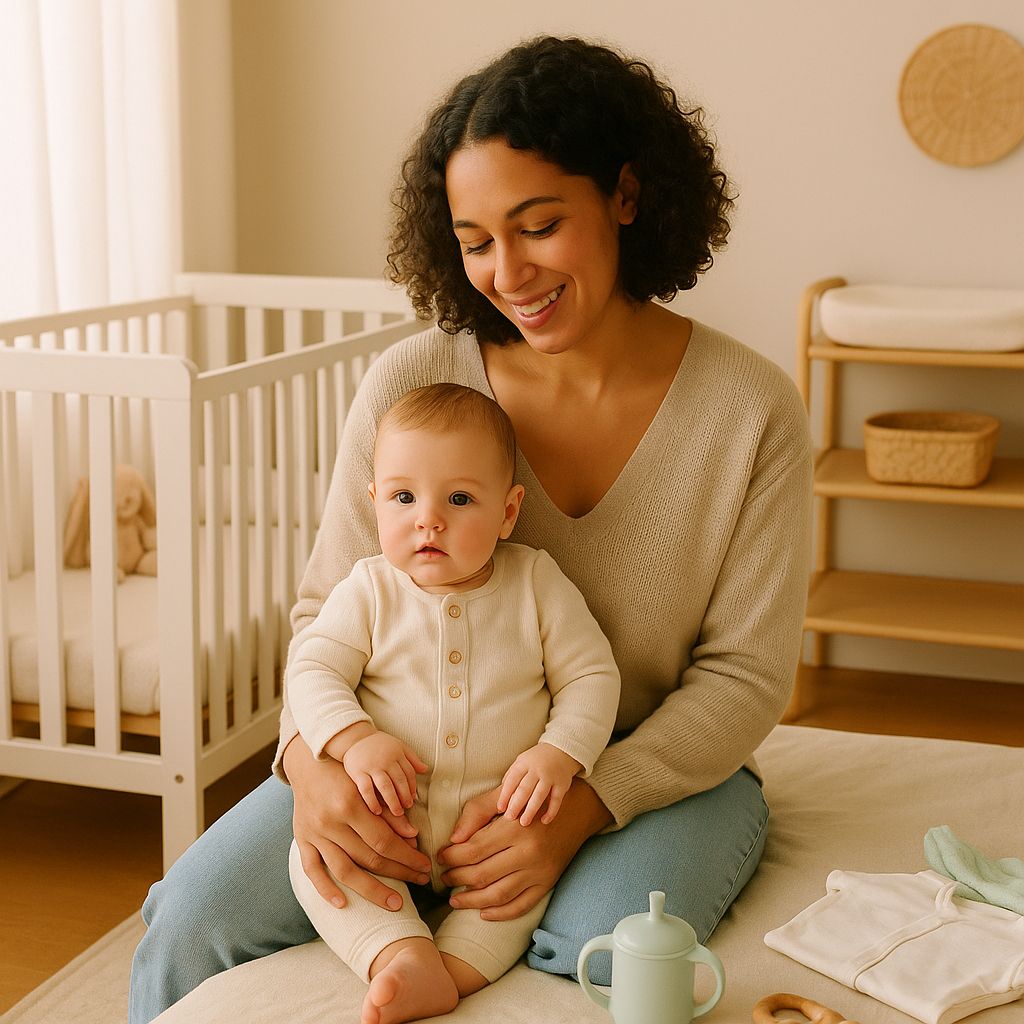

Essential vs Optional Baby Items: A Practical Breakdown
Walking into a baby store (or scrolling through online lists) can be a dizzying experience for new parents. The sheer number of products promising to make your parenting journey smoother, safer, and more fun can be both exciting and overwhelming. But which of these items are truly essential, and which ones are simply nice-to-have? At Growing Giggles, we’re here to help you cut through the clutter with a practical, supportive guide on essential vs optional baby items.
Why the Difference Matters
With new and innovative baby products launching every year, it's easy to believe that you need everything on the shelf. But the truth is: babies have the same core needs they always have—safety, nourishment, hygiene, comfort, and love. Focusing on these basics can prevent overspending, reduce household clutter, and help you feel more confident as you prepare for your little one's arrival.
What Makes an Item 'Essential'?
Essential baby items are those you absolutely need to keep your baby safe, healthy, and comfortable. These products fulfill basic requirements like feeding, sleeping, cleaning, and safe movement. Optional items, on the other hand, are those that might make parenting more convenient, entertaining, or stylish, but aren’t strictly necessary—especially in the early months.
Essential Baby Items: The True Must-Haves
Let’s break down the core categories and what you really need in each:
1. Safe Sleep Space
- Crib or Bassinet: A firm, flat sleep surface is critical for safe sleep. Choose a crib or bassinet that meets current safety standards.
- Fitted Sheets: A couple of snug, well-fitting crib/bassinet sheets are all you need.
- Swaddles or Sleep Sacks: These can help your baby sleep better and safer, but stick to a simple design and avoid loose bedding.
2. Feeding Supplies
- Bottles and Nipples: Even if breastfeeding, it’s helpful to have a few bottles on hand.
- Breast Pump: Essential if you plan to return to work or pump for any reason; optional for exclusive breastfeeding at home.
- Formula: If not breastfeeding, choose your formula brand.
- Burp Cloths: Simple cloths to protect your clothes during feeds.
3. Diapering
- Diapers: Whether you choose disposable or cloth, stock up on newborn sizes.
- Wipes: Unscented and gentle; you can also use washcloths with warm water for sensitive skin.
- Diaper Rash Cream: For soothing and preventing irritation.
- Changing Pad: Not strictly necessary, but helpful for protecting surfaces during changes.
4. Clothing
- Onesies and Sleepers: 5-7 of each, in soft, breathable fabrics.
- Hats and Socks: For warmth and comfort, especially in cooler weather.
- Mittens: To prevent accidental scratching in the early weeks.
5. Transportation
- Car Seat: Non-negotiable for bringing baby home and every trip in the car. Always check for expiration and recall status if using secondhand.
- Stroller or Carrier: At least one is needed for outings and hands-free mobility.
6. Bathing & Hygiene
- Baby Wash & Shampoo: Gentle, fragrance-free products are best.
- Soft Towels & Washcloths: For gentle cleaning and drying.
- Nail Clippers or File: Baby nails grow fast and can scratch their delicate skin.
7. Health & Safety
- Digital Thermometer: For checking your baby’s temperature.
- Nasal Aspirator: To help clear stuffy noses.
- First Aid Kit: Basic supplies for minor issues.
Optional Baby Items: Nice-to-Haves (But Not Essential)
Once you have the essentials, you can consider items that add convenience, comfort, or fun. Here are some common optional items and the benefits they offer:
1. Wipe Warmer
While warm wipes might seem cozy, most babies do just fine without them. If you live in a cold climate, you might find it comforting, but it’s not a necessity.
2. Bottle Warmer & Sterilizer
Both make feeding easier, but bottles can be warmed in a bowl of hot water and sterilized with boiling water or dishwasher cycles.
3. Changing Table
Many parents find a changing pad on a dresser or bed works perfectly. A dedicated changing table is a space luxury, not a requirement.
4. Fancy Outfits
Adorable, but rarely used. Babies are most comfortable in soft, simple clothes, and fancy outfits are often outgrown before they’re worn.
5. Baby Shoes
Not needed for non-walkers. Socks or booties are enough for warmth.
6. Baby Monitor
Essential for larger homes or if you’ll be far from baby’s room; optional in small apartments or if you’re always nearby.
7. Swing, Bouncer, or Rocker
Soothing for some babies, ignored by others. Try before you buy if possible, or borrow from friends.
8. Pacifiers
Some babies love them; others refuse. Try one before stocking up.
9. White Noise Machine
Can help with sleep, but fans or phone apps can serve the same purpose.
10. Nursing Pillow, Covers, and Accessories
Some parents find these helpful for comfort, but couch pillows or blankets can also work in a pinch.
11. Diaper Pail
Convenient for containing odors, but a lidded trash can works too.
What About Baby Gear 'Systems' and Tech?
From all-in-one travel systems to high-tech bassinets and bottle prep machines, there’s no shortage of gear that promises to simplify your life. These items can be wonderful if they fit your lifestyle and budget, but they are rarely essential. Consider waiting to see what you need as your routine develops, and remember that simpler can often be better.
Tips for Building Your Baby Registry
- Start with the essentials. Add optional items only if you have a specific need or want.
- Talk to friends or family about what they actually used (and what collected dust!)
- Consider your space and storage—less is often more in small homes.
- Remember: You can always buy more later. Babies grow and change fast!
Frequently Asked Questions
- What are the absolute must-have items for a newborn?
- Absolute essentials include a safe sleep space (crib/bassinet), clothing, diapers, wipes, a car seat, and feeding supplies (breastfeeding or bottle feeding equipment).
- Which baby items are commonly bought but often go unused?
- Wipe warmers, bottle sterilizers, diaper stackers, and fancy outfits are frequently purchased but not always used.
- How can I avoid overspending on baby gear?
- Prioritize essentials, borrow or buy second-hand when safe, and wait to purchase optional items until you know what your baby actually needs.
Final Thoughts: Trust Yourself (and Your Baby!)
Every family is different, and what is essential for one may be optional for another. Trust your instincts, observe your baby's preferences, and don’t feel pressured to buy every new gadget. By focusing on the essentials and thoughtfully considering optional items, you'll create a comfortable, nurturing environment for your little one—and a more peaceful, manageable start to parenthood.
Remember, at Growing Giggles, we’re here to support your unique journey. If you have questions or want to share your own essential vs optional baby item discoveries, join our community of thoughtful, caring parents!