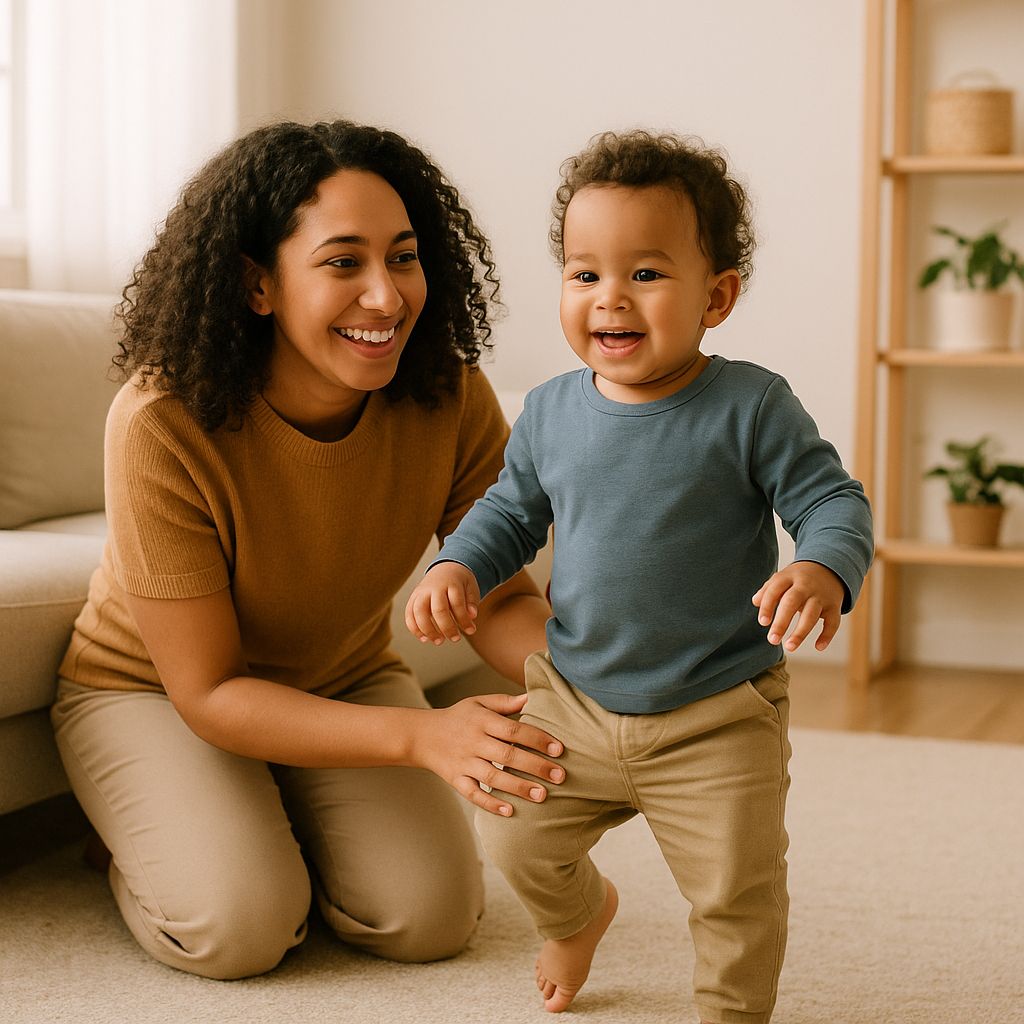

Encouraging Walking, Running, and Climbing Safely: A Parent’s Guide for Toddlers
The toddler years are a whirlwind of firsts—first steps, first dash across the living room, first triumphant climb onto the couch. As your little explorer discovers the joy of movement, you might find yourself torn between cheering them on and worrying about tumbles. Here’s how to encourage walking, running, and climbing safely, so you can nurture your child’s growing independence while minimizing risks.
Why Gross Motor Skills Matter
Gross motor skills are the big movements that use large muscle groups—think walking, running, climbing, jumping, and balancing. These skills lay the foundation for future physical activity and overall health. They boost confidence, encourage active play, and help toddlers make sense of their bodies in space.
- Walking: Builds balance and coordination
- Running: Strengthens muscles and cardiovascular health
- Climbing: Develops problem-solving, agility, and spatial awareness
Understanding Toddler Milestones
Every toddler is unique, but here’s what you can generally expect:
- Walking: Most toddlers start walking between 9 and 15 months.
- Running: Running begins around 18-24 months, often after walking is well established.
- Climbing: Once walking is mastered, climbing soon follows—on furniture, stairs, playgrounds, and beyond.
Remember, milestones aren’t a race! Some kids are early movers, while others take their time. Focus on providing safe opportunities rather than pushing your child.
Setting Up Safe Spaces for Active Play
The right environment makes all the difference. Here’s how to create spaces that encourage movement while reducing risks:
- Clear the floor: Remove clutter, sharp objects, and tripping hazards.
- Soft surfaces: Use rugs, foam mats, or carpet to cushion falls.
- Safe climbing structures: Invest in age-appropriate indoor gyms, step stools, or soft play blocks.
- Safety gates: Block stairs or unsafe areas.
- Anchor furniture: Secure heavy items to walls to prevent tipping.
- Outdoor play: Choose playgrounds with soft ground and toddler-sized equipment.
Encouraging Walking: Tips for Success
Walking is a huge milestone—here’s how to help your toddler take those first steps confidently:
- Start with cruising: Arrange furniture so your child can move around holding on.
- Offer your hands: Hold their hands as they walk, gradually offering less support.
- Praise effort: Celebrate every attempt, not just successful steps.
- Encourage barefoot time: Bare feet help toddlers build balance and strengthen foot muscles.
- Use push toys: Sturdy push walkers can motivate early walkers.
- Limit walkers: Avoid wheeled baby walkers, which can be unsafe and delay walking skills.
Supporting Running Skills
Once your toddler is walking, running isn’t far behind! Here’s how to nurture this next leap:
- Open spaces: Play in safe, open areas like grassy yards or parks.
- Games: Try simple games like chase, tag, or follow the leader.
- Obstacle courses: Set up soft objects to run around or over.
- Model running: Run alongside your child to show how it’s done (and burn off some energy yourself).
- Teach stopping: Practice stopping on command to help with safety.
Encouraging Climbing—Safely
Climbing is natural for toddlers, but it can make parents nervous. Instead of discouraging climbing altogether, channel it safely:
- Designated climbing spots: Provide indoor climbing toys or outdoor play structures made for toddlers.
- Supervise closely: Stay nearby, especially when your child tries new challenges.
- Teach safe techniques: Show your toddler how to climb up and down, not just up.
- Discourage unsafe climbing: Redirect your child from furniture, counters, or other dangerous spots.
- Soft landings: Place mats or cushions under climbing areas.
Balancing Independence and Safety
It’s tempting to hover, but toddlers need space to try, stumble, and succeed. Here’s how to strike the right balance:
- Supervise, don’t smother: Stay close enough to step in if needed, but let your child try independently.
- Set limits: Use clear rules about where and how to climb, run, or walk.
- Model safe behavior: Demonstrate how to walk, run, and climb carefully.
- Encourage resilience: Comfort your child after a fall, but encourage them to try again.
Fun Activities to Build Motor Skills
Everyday play is the best way to boost walking, running, and climbing skills. Here are some favorites:
- Dance parties: Play music and dance together—walking, running, jumping, and moving to the beat.
- Nature walks: Explore trails, climb over logs, and run across grassy fields.
- Mini obstacle courses: Use pillows, blankets, and boxes to create safe climbing and crawling challenges indoors.
- Playground visits: Let your toddler explore age-appropriate equipment, always with supervision.
- Follow the leader: Take turns leading each other through walking, running, and climbing actions.
- Family races: Short races in the yard or park help practice running and stopping.
Safety First: Minimizing Common Risks
Active play comes with bumps and bruises, but you can minimize risks with a few simple steps:
- Dress for success: Choose well-fitting shoes (or go barefoot indoors), and avoid clothes that trip or catch.
- Check play spaces: Look for hazards like sharp corners, loose rugs, or slippery floors.
- Teach rules: “No running inside,” “Always climb with a grown-up,” “Only climb on playgrounds.”
- Be prepared: Keep a basic first aid kit handy for minor scrapes.
Helping Your Toddler Bounce Back After Falls
Falls are part of learning. Here’s how to help your child recover:
- Stay calm: Your reaction sets the tone. If you’re calm, your child will be too.
- Assess injuries: Most falls are minor, but check for serious injuries.
- Comfort and encourage: Offer hugs, reassurance, and praise for trying.
- Teach resilience: Remind your child that it’s okay to fall—and to try again.
Building Confidence in Movement
Confidence is key to safe, joyful movement. Here’s how to nurture it:
- Praise effort: Celebrate trying, not just succeeding.
- Stay positive: Avoid scolding for falls or mistakes.
- Let your child lead: Follow their interests and pace.
- Model resilience: Show how you try, stumble, and try again.
When to Seek Help
If your toddler isn’t walking by 18 months, can’t run by age 2, or avoids climbing altogether, talk to your pediatrician. Some kids take longer, but delays may signal a need for support.
Frequently Asked Questions
- What age do toddlers start walking, running, and climbing? Most toddlers begin walking between 9 and 15 months, running around 18-24 months, and climbing soon after they master walking. Every child is unique, so milestones may vary.
- How can I make my home safer for my climbing toddler? Anchor furniture, use safety gates, pad sharp corners, secure windows, and remove tempting hazards. Encourage climbing on safe, age-appropriate play structures rather than unsafe furniture.
- What should I do if my toddler falls while running or climbing? Stay calm, assess for injuries, and comfort your child. Most falls are minor, but seek medical attention for severe pain, bleeding, or head injuries. Reassure your toddler and encourage them to try again safely.
- How can I support my toddler’s confidence in active play? Offer praise, stay positive, provide opportunities for safe play, and allow your child to explore at their own pace. Model resilience and celebrate effort, not just achievement.
- Are playgrounds safe for toddlers? Playgrounds designed for toddlers with soft surfaces, age-appropriate equipment, and supervision are generally safe. Always check for hazards and stay close to your child during play.
Final Thoughts
Encouraging walking, running, and climbing safely is about finding the sweet spot: supporting your toddler’s adventurous spirit while keeping them safe. Provide a secure environment, model positive behaviors, and let your child explore at their own pace. You’ll help them build strong bodies, confident minds, and a love for active play that will last a lifetime.
Ready for more parenting tips? Explore our other guides on toddler development, play, and safety at Growing Giggles!