
Do You Need a Baby Sleep Nest? Pros and Cons
New parents are constantly bombarded with products promising better sleep for their newborns. One such product that has surged in popularity is the baby sleep nest—a portable, cushioned lounger designed to mimic the womb and provide a cozy environment for infants. But do you really need a baby sleep nest? This guide explores the pros and cons, safety recommendations, and expert insights to help you make an informed decision for your family.
What Is a Baby Sleep Nest?
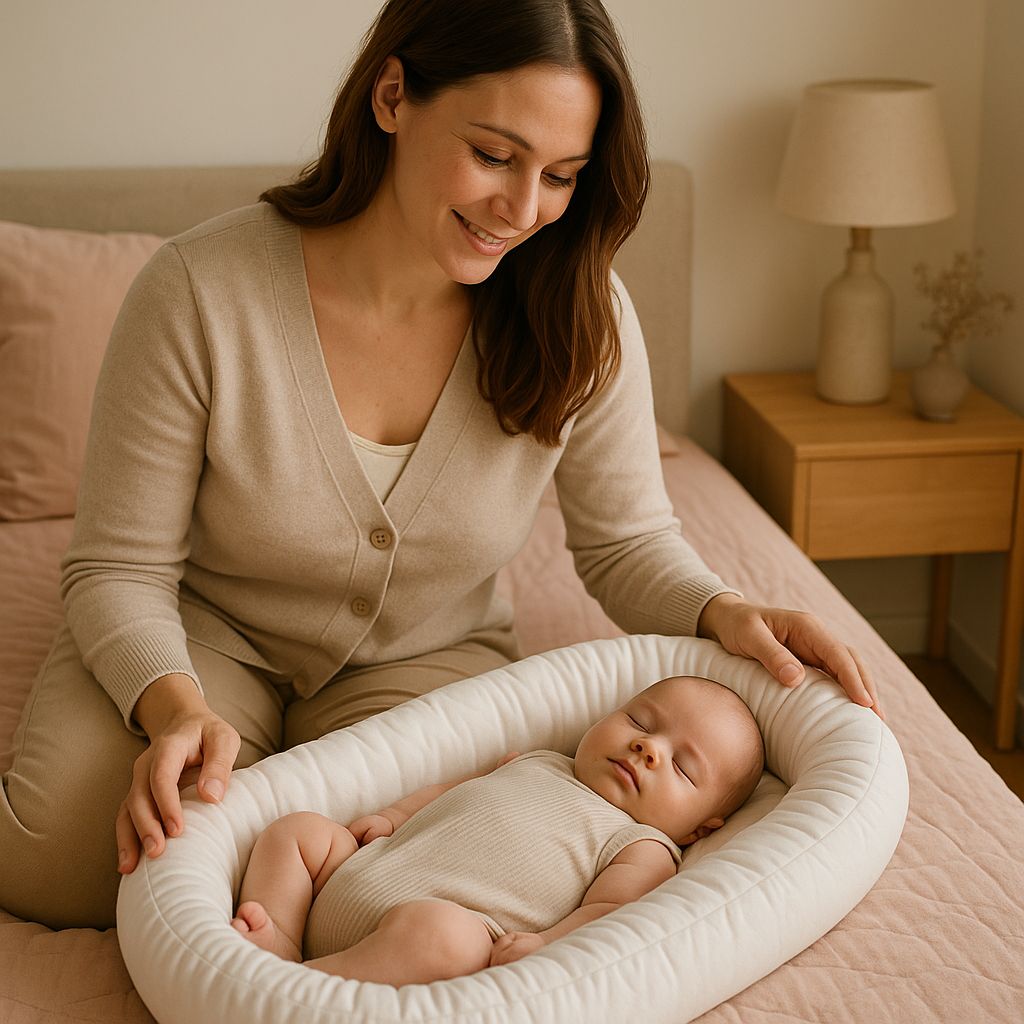
A baby sleep nest, also known as a baby lounger or pod, is a padded, often portable sleeping surface with raised sides. The idea is to create a snug, cocoon-like space where infants feel secure, supported, and comfortable. Sleep nests are marketed for various uses, including supervised naps, tummy time, diaper changes, and travel. Some brands claim their nests support easier transitions from womb to crib, reduce startle reflex, and help babies sleep longer.
Pros of Using a Baby Sleep Nest
- Portability: Sleep nests are lightweight and easy to move, making them ideal for travel or for keeping your baby nearby during the daytime.
- Comfort and Security: The snug design can help recreate the feeling of being in the womb, potentially soothing fussy babies and reducing startle reflex.
- Multipurpose Use: Many sleep nests are marketed for supervised naps, tummy time, playtime, and even diaper changes, making them versatile baby accessories.
- Ease of Supervised Co-Sleeping: Some parents use sleep nests for supervised co-sleeping, keeping baby close while minimizing direct contact.
- Travel-Friendly: Their compact design makes sleep nests convenient for overnight stays, visits to grandparents, or vacations.
Cons of Using a Baby Sleep Nest
- Safety Concerns: The American Academy of Pediatrics (AAP) and other health organizations strongly discourage the use of sleep nests for unsupervised or overnight sleep due to risks of Sudden Infant Death Syndrome (SIDS), suffocation, and entrapment.
- Soft Sides and Padding: Raised, cushioned sides can pose a suffocation hazard if a baby rolls over or presses their face against them.
- Mixed Messaging: Marketing materials often tout sleep nests as safe for sleep, but safety guidelines from pediatricians contradict these claims, creating confusion for parents.
- Not a Substitute for Cribs or Bassinets: Sleep nests should not replace a certified, firm sleep surface like a crib, bassinet, or pack-and-play.
- Cost: High-quality sleep nests can be expensive, and their limited safe-use scenarios may not justify the price for some families.
Expert Safety Recommendations
Safe sleep is a top priority for every parent. According to the AAP, the safest place for a baby to sleep is on their back, alone, in a crib or bassinet with a firm mattress and fitted sheet—no soft bedding, bumpers, pillows, or nests. Sleep nests are not approved for overnight sleep or unsupervised naps. If you choose to use a sleep nest:
- Limit use to supervised periods only (e.g., playtime, tummy time, diaper changes).
- Never place a sleep nest in a crib, bassinet, or on an elevated surface.
- Ensure your baby is always within arm's reach and under observation.
- Follow all manufacturer safety guidelines and check for safety certifications.
- Consult your pediatrician before using any new sleep product.
When Can a Baby Sleep Nest Be Useful?
While sleep nests are not recommended for unsupervised sleep, they may have practical benefits in certain scenarios:
- Supervised Napping: During the day, when you can keep a close eye on your baby, sleep nests may provide a comfortable spot for short naps.
- Tummy Time: Sleep nests with firm padding can support tummy time and encourage muscle development.
- Travel: When visiting family or traveling, a sleep nest can offer a familiar, portable space for your baby to rest (under supervision).
- Diaper Changes: The cushioned surface may be convenient for quick diaper changes or dressing.
- Playtime: Sleep nests can serve as a cozy play area on the floor for newborns.
How to Choose a Safe Baby Sleep Nest
If you decide a sleep nest is right for your family, prioritize safety and quality. Here are expert tips for choosing a product:
- Breathable Materials: Opt for sleep nests made from breathable, hypoallergenic fabrics to reduce overheating.
- Firm Padding: Avoid nests with overly soft padding or high, plush sides. Choose models with firm, supportive surfaces.
- No Loose Parts: Ensure there are no loose bedding, ties, or accessories that could pose choking or suffocation risks.
- Safety Certifications: Look for products that meet recognized safety standards (e.g., ASTM, CPSC).
- Easy to Clean: Babies are messy! Removable, washable covers make maintenance easier.
- Manufacturer Guidelines: Read and follow all instructions, warnings, and age recommendations.
- Pediatrician Consultation: Discuss your choice with your child's pediatrician, especially if your baby has health concerns.
Alternatives to Baby Sleep Nests
For parents seeking safer options for sleep and comfort, consider these alternatives:
- Cribs and Bassinets: Certified sleep surfaces with firm mattresses and fitted sheets are the gold standard for infant sleep.
- Pack-and-Plays: Portable, safe sleep options for travel and daytime rest.
- Swaddling: Swaddling can provide comfort without soft bedding or padding. Use breathable swaddles and discontinue once your baby can roll.
- Wearable Blankets: Sleep sacks and wearable blankets keep babies warm without loose bedding.
Frequently Asked Questions
- Are baby sleep nests safe for overnight sleep?
- Most experts, including the American Academy of Pediatrics, do not recommend baby sleep nests for unsupervised or overnight sleep due to increased risks of suffocation and SIDS. They may be suitable for supervised naps but should not replace a crib or bassinet.
- What are the main benefits of using a baby sleep nest?
- Baby sleep nests offer portability, comfort, and a cozy environment that can soothe infants. They can be useful for supervised daytime rest, tummy time, and travel.
- How do I choose a safe baby sleep nest?
- Look for sleep nests with breathable materials, firm padding, robust safety certifications, and avoid designs with loose bedding or high sides. Always follow manufacturer guidelines and consult with a pediatrician.
- Can sleep nests help my baby sleep better?
- Some parents find that sleep nests help create a sense of security, potentially improving sleep quality during supervised periods. However, every baby is different, and safe sleep practices should always be prioritized.
- Are there alternatives to baby sleep nests?
- Yes. Safe sleep alternatives include cribs, bassinets, and pack-and-plays with firm mattresses and fitted sheets. Swaddling and wearable blankets can also provide comfort without compromising safety.
Final Verdict: Should You Buy a Baby Sleep Nest?
The allure of baby sleep nests is understandable—they promise comfort, convenience, and a cozy space for your newborn. However, the safety concerns cannot be ignored. Sleep nests should never be used for unsupervised or overnight sleep. If you choose to use one for supervised activities, prioritize safety, select high-quality products, and consult with your pediatrician.
Ultimately, the safest sleep environment for your baby is a firm, flat surface with no soft bedding or accessories. Sleep nests may have a place in your parenting toolkit, but only when used responsibly and with awareness of their limitations.
References & Resources
- American Academy of Pediatrics: Where Should My Baby Sleep?
- Consumer Product Safety Commission: Safe Sleep for Babies
- Sleep Foundation: Safe Sleep Guidelines for Babies
Key Takeaways
- Baby sleep nests offer comfort and portability but come with safety concerns.
- Major pediatric organizations recommend caution when using sleep nests for unsupervised sleep.
- Sleep nests can be useful for supervised naps, tummy time, and travel.
- Parents should prioritize safe sleep guidelines and consult experts before using sleep nests.
- Choosing a sleep nest requires careful consideration of materials, design, and safety certifications.
For more expert parenting guides, visit Growing Giggles and subscribe to our newsletter for updates, tips, and product reviews!