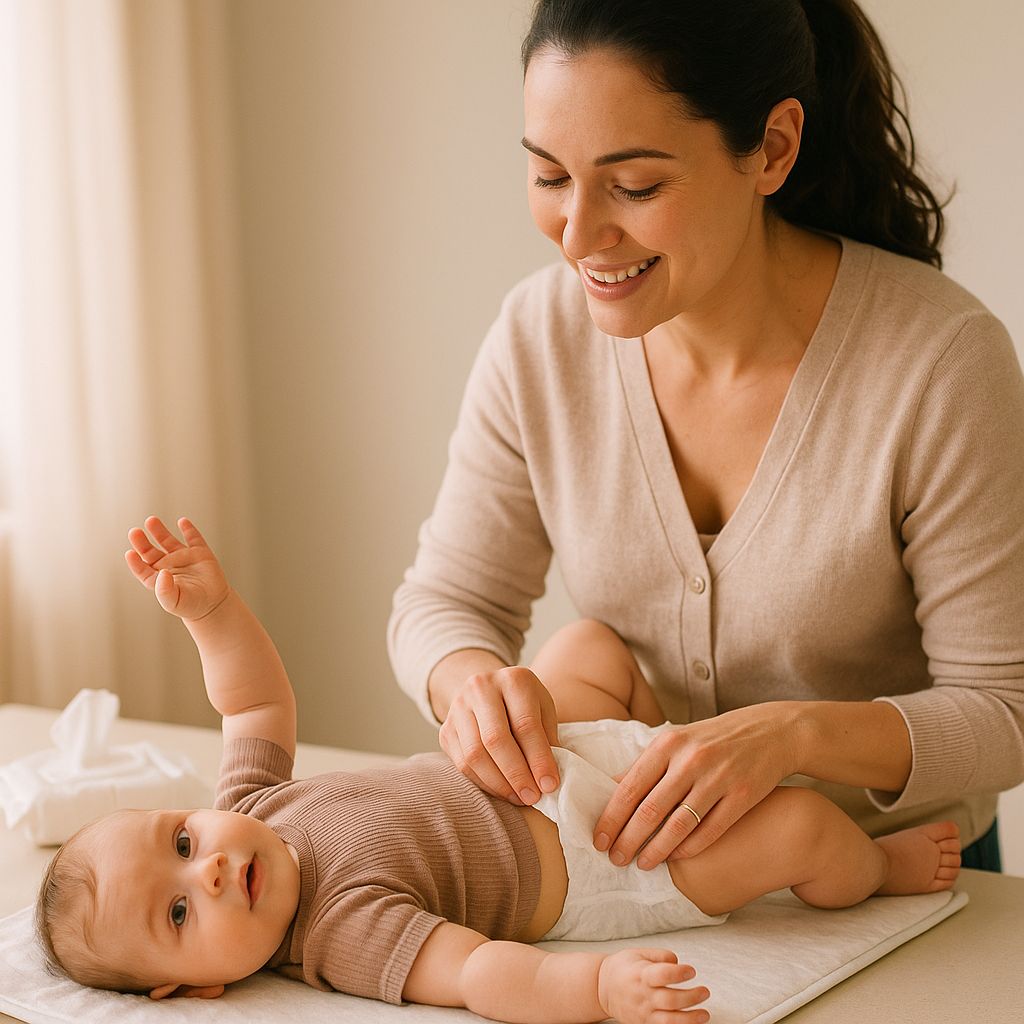

Diapering Tips for Active Babies: Expert Strategies for Stress-Free Changes
Diapering is a fundamental part of infant care, but as babies grow and become more active, diaper changes can turn into a real challenge. Wriggling, rolling, and even crawling away mid-change are common behaviors that can make diapering stressful for parents and uncomfortable for babies. If you’re struggling to keep up with your active infant during diaper time, this expert guide is for you. We’ll share practical diapering tips, product recommendations, and proven techniques to make changing easier, safer, and more enjoyable for both you and your baby.
Understanding the Challenges of Diapering Active Babies
Babies become increasingly mobile as they develop, especially during the infant stage (typically 6-12 months). Their curiosity and desire to explore can make them resist staying still during diaper changes. Some common challenges include:
- Wriggling and twisting: Babies may roll, kick, or arch their backs.
- Grabbing supplies: Little hands can reach for wipes, diapers, or creams.
- Crawling away: Older infants may attempt to crawl off the changing surface.
- Resistance and fussiness: Some babies cry or protest diaper changes.
Understanding these challenges is the first step toward finding solutions that work for your family.
Safety First: Essential Guidelines for Diapering Active Babies
The most important aspect of diapering is safety. With active babies, risks like falling or getting into diapering supplies increase. Follow these guidelines:
- Never leave your baby unattended. Always keep one hand on your baby during changes, especially on elevated surfaces.
- Use a secure changing area. Choose a sturdy changing table with safety straps or change diapers on the floor if your baby is especially active.
- Keep supplies within reach. Arrange wipes, diapers, creams, and disposal bags before starting.
- Check for hazards. Remove any choking risks or sharp objects from the changing area.
By prioritizing safety, you’ll reduce stress and prevent accidents.
Preparation is Key: Organize Your Diapering Space
Having everything ready before you start the diaper change can make the process faster and easier.
- Pre-open wipes and diapers. This allows quick access and minimizes time spent on the change.
- Use a diaper caddy or organizer. Keep all essentials together and portable.
- Lay out a clean changing mat. Use a waterproof, easy-to-clean mat for hygiene and comfort.
- Have distractions ready. Place engaging toys or objects nearby to keep your baby occupied.
A well-organized space reduces the likelihood of disruptions and helps keep your baby focused.
Distraction Techniques: Keep Your Baby Engaged
Distraction is one of the most effective ways to keep an active baby still during diaper changes. Try these strategies:
- Designate a special diaper-time toy. Reserve a favorite toy or object exclusively for diaper changes.
- Sing songs or play music. Use familiar tunes to soothe and entertain your baby.
- Make faces or play peek-a-boo. Engaging your baby with eye contact and playful expressions can redirect their attention.
- Use mobiles or visual distractions. Hang a mobile above the changing area or use colorful pictures.
Experiment with different distractions to find what works best for your baby’s temperament.
Timing Matters: Choose the Right Moment for Diaper Changes
Babies are more likely to cooperate when they’re calm and content. To maximize cooperation:
- Change diapers before feedings or naps. Avoid diapering when your baby is hungry or overtired.
- Look for natural breaks in activity. Wait until your baby is less active or distracted by something else.
- Maintain a consistent routine. Diapering at regular intervals helps your baby anticipate and accept changes.
By timing diaper changes strategically, you can reduce resistance and fussiness.
Choosing the Right Diaper for Active Babies
Not all diapers are created equal. For active infants, the right diaper can make a big difference:
- Flexible fit: Look for diapers with elastic waistbands and leg cuffs for a snug, comfortable fit.
- Strong fasteners: Velcro or adhesive tabs should withstand movement and keep the diaper in place.
- Pull-up style diapers: For older babies, pull-ups make changing easier and quicker, especially for standing changes.
- Breathable materials: Choose diapers that wick moisture efficiently and prevent diaper rash.
Popular brands with active baby options include Pampers Cruisers, Huggies Little Movers, and Seventh Generation Free & Clear.
Quick and Efficient Diaper Changing Techniques
Speed and efficiency are essential for diapering active babies. Here are some expert techniques:
- Lay your baby on their back. Use one hand to gently hold their torso or legs.
- Unfasten the diaper and clean quickly. Use pre-opened wipes and work in swift motions.
- Slide a fresh diaper underneath before removing the old one. This reduces exposure and keeps the process fast.
- Use pull-up diapers for standing changes. If your baby prefers standing, pull-ups are easier to use.
- Practice one-handed changes. With practice, you’ll be able to change diapers using one hand while the other keeps your baby secure.
The goal is to minimize time spent and reduce opportunities for your baby to wriggle away.
Interactive Techniques: Make Diapering Fun
Turning diaper changes into a positive, interactive experience can help reduce resistance:
- Talk through the process. Narrate each step to engage your baby.
- Play games. Try simple games like "Where’s your nose?" or "Pat-a-cake" during changes.
- Give gentle massages. Lightly massage your baby’s tummy or legs to calm them.
- Encourage participation. Let your baby hold a wipe or diaper (supervised) to foster independence.
Making diapering interactive helps build trust and cooperation.
Common Diapering Mistakes with Active Babies (and How to Avoid Them)
Even experienced parents can make mistakes. Here are some to avoid:
- Leaving baby unattended: Never step away, even for a second.
- Not securing the diaper properly: Loose diapers can lead to leaks and discomfort.
- Forgetting to check for rash: Inspect your baby’s skin with each change and use barrier creams as needed.
- Using too many distractions: Overstimulating your baby can backfire; stick to one or two effective distractions.
By avoiding these pitfalls, you’ll ensure a safer and smoother diapering routine.
Product Recommendations for Diapering Active Babies
The right products make all the difference. Consider:
- Portable changing pads: Lightweight mats for diapering on the go.
- One-handed wipes dispensers: Allows easy access while keeping one hand on your baby.
- Diaper caddies: Keeps supplies organized and within reach.
- Special diaper-time toys: Soft, washable toys for distraction.
- Pull-up diapers: For quick changes, especially with standing babies.
Investing in practical products streamlines your diapering routine.
Dealing with Diaper Rash and Discomfort
Active babies are prone to diaper rash due to friction and moisture. Prevent and treat diaper rash by:
- Changing diapers frequently: Every 2-3 hours, or immediately after soiling.
- Using gentle wipes: Opt for alcohol-free, fragrance-free wipes.
- Applying barrier creams: Zinc oxide or petroleum jelly protects delicate skin.
- Letting skin air out: Allow your baby to go diaper-free for short periods.
If rash persists, consult your pediatrician for medical advice.
Travel and On-the-Go Diapering Tips
Diapering active babies while out and about requires extra planning:
- Pack a portable changing kit: Include diapers, wipes, cream, a changing mat, and disposable bags.
- Use public changing stations safely: Clean surfaces before use and keep baby secured.
- Change diapers in the stroller or car seat: If necessary, use a portable mat and quick changes.
- Bring distractions: Toys or snacks for busy environments.
Being prepared ensures diapering remains manageable even outside the home.
When to Seek Help: Persistent Diapering Struggles
If your baby consistently resists diaper changes, cries excessively, or shows signs of discomfort, consider:
- Checking for skin irritation or infection. Persistent rash may require medical treatment.
- Evaluating diaper fit and material. Switch brands if discomfort persists.
- Consulting your pediatrician. Ongoing struggles may indicate underlying issues.
Professional guidance can help resolve persistent challenges and restore calm to diapering routines.
Conclusion: Embrace the Active Baby Diapering Journey
Diapering an active baby is a dynamic, often unpredictable experience. With the right strategies, preparation, and products, you can transform diaper changes from stressful moments into opportunities for bonding and fun. Remember: safety, efficiency, and engagement are key. Every baby is unique, so be patient and flexible as you discover what works best for your little one.
For more expert parenting advice and infant care tips, explore our resources at Growing Giggles. Happy diapering!