
Diaper Changing Safety Tips: A Complete Guide for Parents
Diaper changing is one of the most frequent and essential tasks in a parent’s daily routine. While it might seem straightforward, diaper changing comes with hidden risks that every caregiver should be aware of. Practicing safe diaper changing not only protects your baby from accidents and infections but also ensures a smooth and pleasant experience for both of you. In this comprehensive guide, we’ll cover expert diaper changing safety tips, from setup to hygiene, so you can confidently care for your little one.
Why Diaper Changing Safety Matters
Babies, especially newborns, are naturally wiggly and unpredictable. Falls and injuries can happen in mere seconds. The changing area can harbor germs and lead to infections if not properly maintained. Prioritizing safety during diaper changes is crucial for your baby’s health and peace of mind.
Preparing for a Safe Diaper Change
- Gather all supplies first: Have clean diapers, wipes, creams, and a change of clothes within arm’s reach before starting. This prevents the need to step away, leaving your baby unattended.
- Choose the right location: Use a sturdy, flat surface like a changing table, pad, or even the floor. Ensure the area is clean, well-lit, and away from hazards like cords or sharp objects.
- Use a changing pad: A waterproof pad with raised edges or safety straps adds an extra layer of protection against falls and messes.
- Keep distractions nearby: Soft toys or a mobile can help keep your baby occupied and reduce squirming during changes.
Diaper Changing Table Safety
Changing tables are convenient but require extra vigilance:
- Never leave your baby unattended. Even for a moment, babies can roll or wiggle off the table.
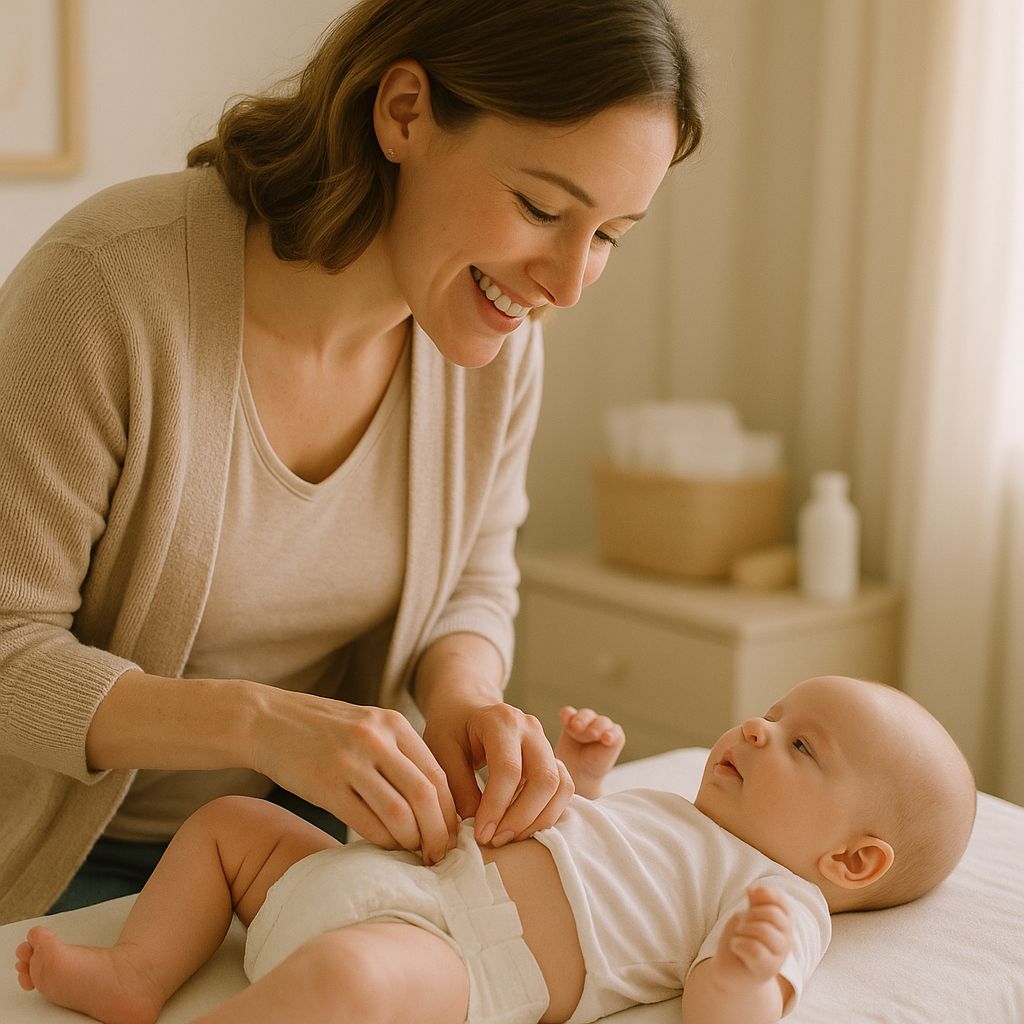
- Always use the safety strap. Secure your baby with the table’s safety belt, but remember, it’s not a substitute for supervision.
- Check for stability. Ensure the table doesn’t wobble and that all screws and rails are tightly secured.
- Keep supplies within reach. Store diapers, wipes, and creams on shelves or in baskets attached to the table, not across the room.
- Keep one hand on your baby. If you need to reach for anything or turn away, maintain physical contact at all times.
Safe Diaper Changing on the Go
When you’re away from home, safety is just as important:
- Use portable changing pads. Lay them on a clean, flat surface and sanitize public changing stations before use.
- Keep a travel kit. Pack diapers, wipes, disposable bags, and hand sanitizer in a compact, easy-to-access bag.
- Change on the floor if necessary. If no safe table is available, the floor can be the safest choice to prevent falls.
Hygiene: Preventing Infections and Diaper Rash
Proper hygiene is key to keeping your baby healthy:
- Wash your hands thoroughly before and after each diaper change. Use hand sanitizer if soap and water aren’t available.
- Clean the diaper area gently with fragrance-free wipes or warm water and a soft cloth. Always wipe front to back to prevent urinary tract infections, especially in girls.
- Allow skin to dry before putting on a new diaper. Pat gently with a soft towel and let the area air out for a moment.
- Apply barrier creams to protect against diaper rash, especially if your baby’s skin is sensitive or you notice redness.
- Dispose of diapers properly. Use a lidded diaper pail or sealed bag to contain odors and germs. Clean the changing pad and surrounding area regularly with baby-safe disinfectant.
Handling Common Safety Challenges
What to Do if Your Baby Won’t Stay Still
As babies grow, they become more mobile and curious, which can make diaper changes challenging:
- Distract with toys or music. Sing a song, give them a special diaper-changing toy, or let them hold a soft book.
- Use speed and efficiency. Work quickly but gently, keeping everything you need close at hand.
- Change on the floor. If your baby is very active, consider switching to the floor with a waterproof pad to eliminate falling risks.
Dealing with Blowouts and Messy Changes
Messy diaper changes are inevitable. Here’s how to handle them safely:
- Remove clothes carefully. Roll up onesies from the bottom or use the envelope neckline to pull clothes down instead of over the head.
- Contain the mess. Have extra wipes and a change of clothes ready. Place soiled items directly into a sealed laundry bag.
- Clean thoroughly. Pay special attention to skin folds and creases to prevent irritation and infection.
Safe Disposal and Cleaning Practices
- Dispose of diapers promptly. Seal dirty diapers in a bag or diaper pail to reduce odors and the spread of germs.
- Disinfect changing surfaces. Wipe down the pad and table after each change using a baby-safe disinfectant.
- Launder changing pad covers and reusable cloths regularly in hot water.
Special Diaper Changing Safety Tips for Newborns
Newborns are especially vulnerable to accidents and sensitive to products:
- Support your baby’s head and neck. Always cradle your newborn’s head with one hand during changes.
- Use gentle, fragrance-free products. Avoid wipes and creams with harsh chemicals or fragrances.
- Be cautious with umbilical cord stumps. Fold down the front of the diaper to keep the area dry until it heals.
Emergency Preparedness
- Know what to do in case of a fall. If your baby falls from a changing table, seek medical attention immediately, especially if they hit their head or lose consciousness.
- Keep emergency numbers handy. Post local emergency contacts near your changing area.
- Baby-proof the room. Secure heavy furniture, cover electrical outlets, and keep choking hazards out of reach.
Frequently Asked Questions About Diaper Changing Safety
- What is the safest place to change a diaper?
- A sturdy, flat surface with raised sides or safety straps is best. Always keep one hand on your baby. Never leave your baby unattended, not even for a second.
- How can I prevent diaper rash during diaper changes?
- Change diapers promptly, clean the area thoroughly, allow the skin to air dry, and use a barrier cream. Choose gentle wipes and diapers, and avoid tight clothing.
- Are changing tables safe for babies?
- Changing tables are safe if they are sturdy, have safety straps, and are never used without supervision. Always keep changing essentials within easy reach.
- What should I do if my baby rolls during a diaper change?
- If your baby starts rolling, use one hand to gently hold them steady. Engage them with a toy or song to distract them. Never leave them unattended, and consider changing on the floor if they are very active.
Conclusion: Safe Diaper Changes for Happy Babies
Diaper changing is more than a routine—it’s an opportunity to bond with your baby and ensure their well-being. By following these diaper changing safety tips, you can protect your child from accidents and infections, making this daily task smoother and safer. Remember, preparation, supervision, and hygiene are the cornerstones of safe diapering. Happy changing!