
Decluttering Baby Essentials: What to Keep and What to Remove
Becoming a parent means welcoming a tiny new family member — and often, what feels like a mountain of baby gear, toys, and clothes. If you’re feeling overwhelmed by all the stuff, you’re not alone! The good news? Decluttering baby essentials isn’t just about regaining your living room floor; it’s about simplifying your routines, saving time, and making your home a more peaceful, joyful space for your family. Let’s dive into how to confidently decide what to keep, what to let go, and how to organize what remains.
Why Decluttering Baby Essentials Matters
It’s easy to accumulate baby items — from gifts at your shower to hand-me-downs and impulse buys. But research shows that too much clutter can increase parental stress and distract from precious moments with your child. Decluttering doesn’t mean getting rid of everything; it means keeping what truly serves your family and letting go of the rest.
Step 1: Assess What You Really Use
Start by making a list of what your baby uses daily, weekly, and rarely. Walk through your home and note:
- Essentials you use every day (diapers, wipes, bottles, onesies).
- Items used occasionally (baby carrier, stroller, pack ‘n play).
- Things your baby has outgrown or never liked (swings, certain toys, newborn clothes).
This quick audit sets you up for smart decisions on what’s truly essential and what’s just taking up space.
Baby Essentials Worth Keeping
There are some “can’t-live-without” baby items that you’ll likely use through several stages. Here’s a core list:
- Safe sleep space: Crib, bassinet, or play yard.
- Feeding supplies: Bottles, breast pump (if needed), bibs, and high chair.
- Travel gear: Car seat, stroller, baby carrier.
- Clothing: Enough everyday outfits, pajamas, and weather-appropriate layers.
- Diapering: Changing pad, diaper bag, wipes, and plenty of diapers.
- Bathing: Baby tub, gentle soap, washcloths, and towels.
- Health and safety: First-aid supplies, thermometer, baby nail clippers.
- Soothing and entertainment: A few favorite books, rattles, or teethers.
Every family’s list will look a little different — and that’s okay! The goal is to keep what makes your life easier, not harder.
What to Remove: Outgrown, Duplicates, and Unused Items
Babies grow at lightning speed. That means you’ll quickly accumulate clothes that no longer fit, toys for different stages, and even gear that didn’t work for your family’s lifestyle. Here’s what to consider letting go:
- Outgrown clothes and shoes: If it’s too small, it’s time to pass it on.
- Duplicate items: Multiple sippy cups, bottles, or toys? Keep favorites and donate the rest.
- Rarely or never used gear: Swings, bouncers, or gadgets your baby never liked.
- Broken or unsafe items: Anything with missing pieces, expired car seats, or recalled products should be responsibly recycled or disposed of.
How to Decide: Keep, Donate, Sell, or Recycle?
When you pick up each item, ask yourself:
- Is this safe and in good condition?
- Has my baby outgrown it, or is it no longer useful?
- Does it have sentimental value? (If yes, consider a memory box.)
- Will we use this for a future sibling?
Donate
Many gently used baby items can be a blessing for other families. Local women’s shelters, charities, or new parent support groups often accept donations. Just be sure items are clean, complete, and safe.
Sell
Popular online marketplaces or neighborhood groups are great for selling baby gear in good condition, especially larger items like strollers or cribs. This can help recoup some costs and reduce waste.
Recycle or Dispose
Items that are broken, stained, or recalled should be disposed of properly. Check for local recycling programs for textiles, plastics, or baby equipment.
Organizing What Remains
Now for the fun part: organizing the essentials you’ve chosen to keep! Here are some smart tips:
- Group by use: Store diapers, wipes, and creams in a basket near the changing station; keep feeding supplies together in a kitchen drawer.
- Rotate toys: Keep a small selection out and store the rest, rotating them every few weeks to keep things fresh (and floors tidy!).
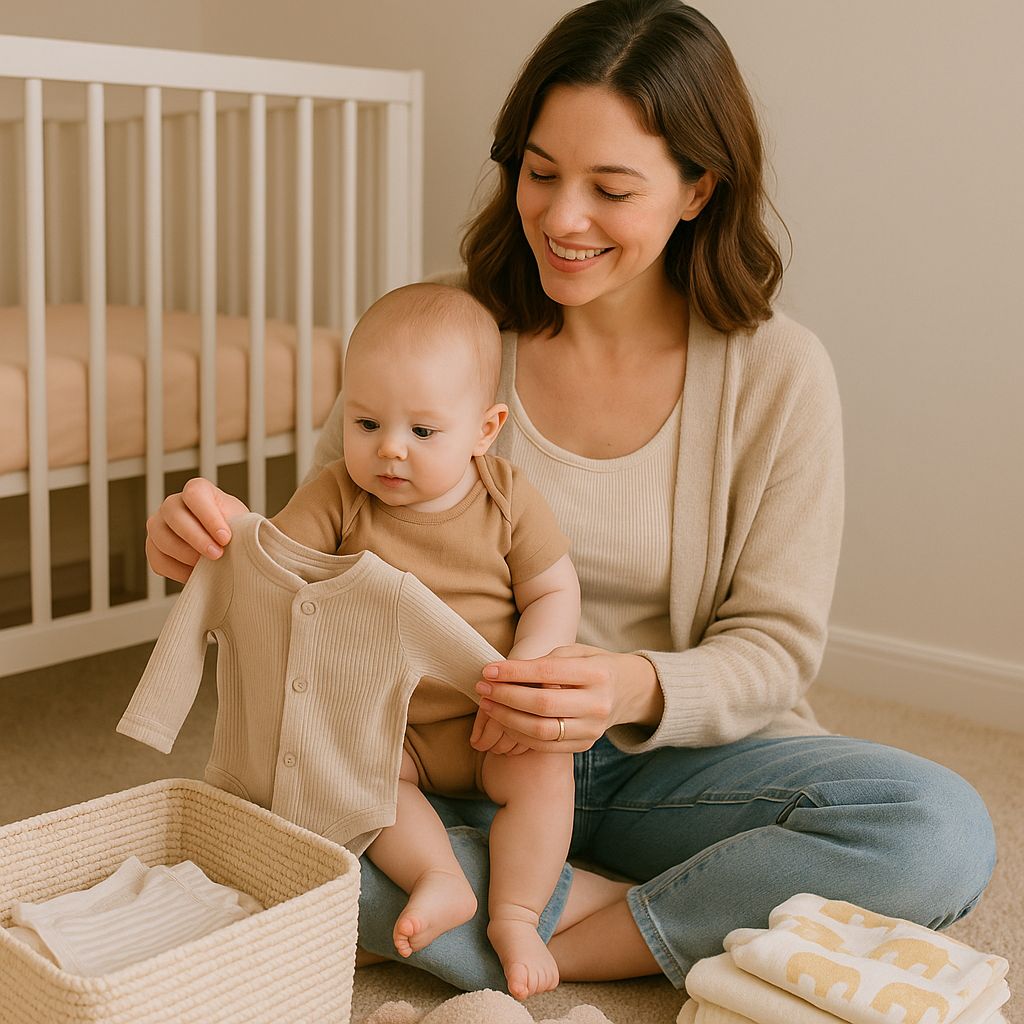
- Seasonal clothes: Store out-of-season or next-size-up clothing in labeled bins.
- Accessible storage: Use baskets, shelves, or bins within easy reach for daily essentials.
- Memory box: Set aside a small box for special keepsakes like hospital bracelets or first booties.
Remember, organization systems only work if they’re simple and fit your routine. Don’t be afraid to adjust as your baby grows!
Tips for Maintaining a Clutter-Free Baby Space
- Set a regular schedule: Every 3-6 months, review and update your baby’s items.
- Use the one-in, one-out rule: For every new item, donate or store one old item.
- Keep donation bins handy: Place a bin in your closet for outgrown clothes and gear.
- Ask before accepting hand-me-downs: Only take what you’ll use and have space to store.
- Communicate with caregivers: Let grandparents and friends know you’re keeping things minimal.
Minimalist Baby Gear: Do You Need All the Gadgets?
The baby industry is full of clever gadgets, but most families can get by with a simple toolkit. Before buying or keeping a new item, ask:
- Will this make my life easier on a daily basis?
- Could I do without it or use something I already own?
- Is it safe, easy to clean, and easy to store?
Minimalist baby gear isn’t about deprivation — it’s about freedom from clutter and more time for what matters most.
What About Sentimental Items?
It’s natural to want to keep a few special items that mark your baby’s milestones. Designate a small memory box for truly meaningful keepsakes, and let go of the rest. Take photos of items you’re not keeping, and create a digital memory album — it saves space and still preserves the memories!
Decluttering With Older Siblings
If you have older children, involve them in the process! Let them choose which baby books or toys to pass on, and explain that sharing helps other families. This can make letting go easier and teach valuable lessons in generosity.
Decluttering Baby Essentials: A Real-World Example
Let’s say your baby is now crawling and has outgrown the bassinet, swaddles, and newborn onesies. Here’s a quick declutter plan:
- Gather all newborn items in one spot.
- Sort into keep (for future babies), donate/sell (in good condition), and discard (worn out or stained).
- Label storage bins with sizes ("0-3 months," "next baby") and store in an accessible spot.
- Donate or sell the rest within a week to keep momentum going.
Repeat this process as your baby moves to new stages (teething, first foods, toddlerhood) and you’ll keep clutter under control.
Final Thoughts: Less Stuff, More Joy
Decluttering baby essentials isn’t just about a tidy home — it’s about creating space for laughter, play, and restful nights. By keeping only what you need, you can focus on what matters most: enjoying these fleeting moments with your little one. Remember, every family’s essentials are unique. Trust your instincts, and don’t be afraid to let go of what isn’t serving you anymore. Happy decluttering!
Frequently Asked Questions
- How often should I declutter baby essentials?
- It’s helpful to review your baby’s items every 3-6 months. Babies grow quickly, so regular decluttering ensures you only keep what’s age-appropriate and necessary.
- What baby items should I definitely keep?
- Keep items that are safe, age-appropriate, and frequently used, like a crib, car seat, stroller, weather-appropriate clothes, and feeding supplies. Sentimental items can be kept in a memory box.
- How can I responsibly get rid of unneeded baby gear?
- Donate to local shelters, charities, or parenting groups, sell gently used items online, or recycle if possible. Ensure items are clean and safe before passing them on.
- Is it okay to keep baby items for future children?
- Yes, as long as you have the space and the items are in good condition. Store them in labeled, airtight bins and regularly check for recalls or wear and tear.
Resources for Decluttering and Donating
With a little organization and a lot of heart, you can make space for what truly matters. Happy decluttering!