
Creative Art and Craft Ideas for Preschoolers: Fun Projects for Little Hands
Preschoolers are naturally curious, energetic, and bursting with creativity. As a parent or caregiver, you can nurture this creativity through fun and engaging art and craft activities! These projects not only provide hours of entertainment, but also support your child’s development in important ways—boosting motor skills, encouraging self-expression, and laying the groundwork for lifelong learning. Whether you’re looking for rainy day inspiration or everyday activities, this guide offers a treasure trove of art and craft ideas for preschoolers, all perfect for little hands and big imaginations.
Why Art and Craft Matter for Preschoolers
- Development of Fine Motor Skills: Cutting, gluing, and drawing help strengthen little fingers and improve coordination.
- Creativity and Imagination: Art projects encourage children to think outside the box and express themselves.
- Problem-Solving and Patience: Following steps, making choices, and figuring out how things fit together help with cognitive development.
- Boosts Confidence: Completing a craft gives a sense of accomplishment and pride.
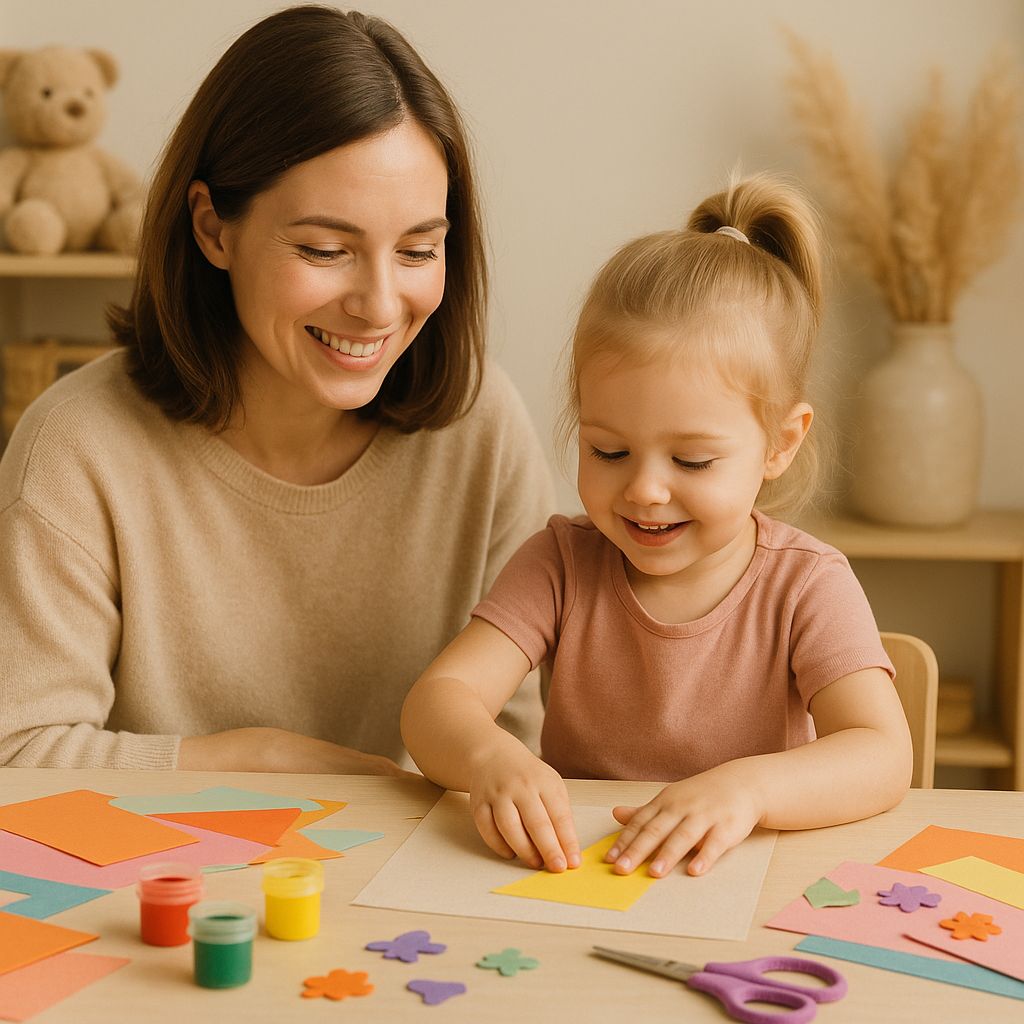
- Bonding Time: Crafting together creates special moments with your child.
Getting Started: Tips for Preschool Craft Sessions
- Choose Safe Materials: Use non-toxic supplies and age-appropriate tools.
- Set Up a Craft Area: Cover tables with newspaper or a plastic cloth for easy cleanup.
- Keep It Simple: Pick projects with few steps and clear instructions.
- Let Kids Lead: Encourage your child to make choices and create their own designs.
- Enjoy the Process: Focus on having fun rather than making something “perfect.”
15 Creative Art and Craft Ideas for Preschoolers
1. Colorful Collage Creations
Materials: Construction paper, child-safe scissors, glue sticks, magazines or colored paper scraps.
- Let your preschooler cut or tear paper into shapes.
- Arrange and glue pieces onto a background to make a collage.
- Encourage them to create animals, scenes, or abstract art.
2. Nature Art: Leaf Prints and Stick Sculptures
Materials: Leaves, twigs, washable paint, paper, glue.
- Collect leaves and sticks during a nature walk.
- Paint one side of a leaf and press onto paper for a print.
- Glue sticks together to make fun shapes or little creatures.
3. DIY Paper Plate Masks
Materials: Paper plates, markers, yarn, child-safe scissors, glue, craft sticks.
- Cut out eye holes from the plate.
- Decorate with markers, yarn for hair, or glued-on scraps.
- Add a craft stick for holding the mask.
4. Button Art Boards
Materials: Cardboard, buttons, glue, crayons.
- Draw a simple outline (e.g., flower, rainbow) on cardboard.
- Glue buttons inside the outline for a textured effect.
5. Popsicle Stick Picture Frames
Materials: Popsicle sticks, glue, paint, stickers.
- Glue sticks into a square or rectangle shape for a frame.
- Decorate with paint and stickers.
- Add a photo or drawing inside!
6. Cotton Ball Snowmen
Materials: Cotton balls, paper, glue, markers.
- Draw a snowman outline on paper.
- Glue cotton balls inside the outline.
- Add features with markers or cut paper.
7. Homemade Playdough Creations
Materials: Flour, salt, water, food coloring.
- Mix ingredients to make playdough together.
- Create shapes, animals, or pretend food.
8. Egg Carton Critters
Materials: Egg cartons, paint, googly eyes, glue.
- Cut egg cartons into individual cups.
- Paint and decorate as bugs, animals, or monsters.
9. Sponge Stamp Painting
Materials: Sponges, paint, paper, scissors.
- Cut sponges into fun shapes.
- Dip in paint and stamp onto paper.
10. String Art for Beginners
Materials: Cardboard, yarn, glue.
- Draw a simple shape outline (heart, star) on cardboard.
- Glue yarn along the outline and fill in with loops.
11. Finger Painting Fun
Materials: Washable finger paints, paper.
- Let your child experiment with colors and patterns using their fingers.
- Encourage mixing colors and creating scenes.
12. Recycled Art: Cardboard Tube Creatures
Materials: Paper towel or toilet paper tubes, paint, paper, glue, googly eyes.
- Paint tubes and decorate as animals, robots, or monsters.
- Add paper ears, arms, or tails.
13. Tissue Paper Flowers
Materials: Tissue paper, pipe cleaners, child-safe scissors.
- Cut tissue paper into squares.
- Layer squares, pinch in the middle, and twist a pipe cleaner as a stem.
14. Sticker Storyboards
Materials: Stickers, paper, crayons.
- Let your child create a scene or story using stickers.
- Add details and background with crayons.
15. Sensory Art: Salt Painting
Materials: Glue, salt, watercolor paint, paper.
- Draw shapes with glue on paper.
- Sprinkle salt over glue and shake off excess.
- Use a brush to gently dab watercolor on the salty designs.
Seasonal and Holiday Craft Ideas
Spring: Butterfly Crafts
- Use coffee filters, markers, and pipe cleaners to make colorful butterflies.
Summer: Sun Catchers
- Layer tissue paper between two sheets of wax paper and hang in a sunny window.
Autumn: Leaf Crowns
- Glue leaves onto a strip of paper to make a festive crown.
Winter: Snowflake Cut-Outs
- Fold and cut paper to create unique snowflake designs.
Holidays: Festive Handprint Cards
- Use handprints to make cards for birthdays or special celebrations.
Encouraging Creativity and Self-Expression
Preschoolers thrive when given the freedom to express themselves. Instead of aiming for a picture-perfect finished product, focus on the joy of creating. Ask your child questions like, “What colors do you want to use?” or “Can you tell me about your picture?” Celebrate their ideas and efforts, and display their artwork proudly at home. This boosts confidence and makes them eager to try new projects!
Making Art and Craft Accessible
Crafting doesn’t have to be expensive or complicated. Use recycled materials, household items, and nature finds to keep things simple and budget-friendly. Set up a dedicated art box with supplies your preschooler can access with your supervision. Rotate materials to keep things fresh and exciting.
Safety Tips for Preschool Craft Time
- Always supervise your child, especially when using scissors or glue.
- Choose non-toxic, child-safe materials.
- Keep small items out of reach if your child is still mouthing objects.
- Teach gentle handling and proper use of tools.
- Clean up together and wash hands after crafting.
How to Handle Messes and Cleanup
Let’s face it—art and crafts can get messy! Prepare by covering surfaces, dressing your child in old clothes or an apron, and using washable materials. Keep wipes or a damp cloth nearby for quick cleanups. Involve your preschooler in tidying up, turning it into a learning moment about responsibility.
Crafting as a Family: Tips for Together Time
- Pick projects everyone can enjoy, regardless of skill level.
- Use craft time for conversation and connection.
- Let siblings collaborate or create side-by-side.
- Celebrate each person’s unique creations.
Conclusion: The Joy of Art and Craft with Preschoolers
Art and craft activities are more than just a way to pass the time—they’re a gateway to creativity, learning, and family bonding. Whether you’re making simple collages, exploring nature art, or celebrating seasons with themed projects, these ideas are sure to spark joy and imagination in your preschooler. So grab some supplies, roll up your sleeves, and let the creative adventures begin!
Further Reading & Resources
FAQ: Art and Craft Ideas for Preschoolers
- What are the benefits of art and craft activities for preschoolers?
- Art and craft activities enhance creativity, develop fine motor skills, support cognitive growth, and encourage self-expression in preschoolers. They also help children learn patience, focus, and problem-solving while having fun.
- How can I ensure my preschooler’s safety during craft projects?
- Always supervise your child, use non-toxic materials and age-appropriate tools, avoid small items that could be a choking hazard, and set up a safe crafting space. Teach your child basic safety rules and encourage gentle handling of materials.
- What are some good materials for preschool crafts?
- Safe and common materials include construction paper, child-safe scissors, glue sticks, crayons, markers, cotton balls, popsicle sticks, buttons, and recycled items like cardboard tubes. Natural elements like leaves and twigs are also great.
- How do I encourage my preschooler to be creative?
- Offer a variety of materials, ask open-ended questions, let your child make choices, and celebrate their efforts. Avoid correcting their work; instead, focus on the process and the joy of creating together.
- Can art and craft activities be messy? How do I manage cleanup?
- Yes, crafting can get messy, but you can manage it by covering surfaces with newspaper or tablecloths, using washable materials, and having wipes or a damp cloth handy. Involve your child in cleanup to teach responsibility.