
Cleaning and Maintaining Baby Products Properly: A Parent’s Essential Guide
For every parent, keeping their baby’s world safe, clean, and healthy is a top priority. Babies are naturally curious explorers, touching, tasting, and cuddling everything within reach. While this is a vital part of development, it also means their products are prime hotspots for germs and grime. Cleaning baby products properly isn’t just about appearances—it’s a foundational practice for your little one’s health and comfort.
Why Cleaning Baby Products Matters
Infants and young children have developing immune systems, making them more susceptible to harmful pathogens. Common baby items like bottles, toys, pacifiers, and strollers can harbor bacteria, mold, and viruses if not cleaned and maintained regularly. Proper cleaning routines reduce the risk of illnesses such as gastroenteritis, thrush, and respiratory infections, and help extend the lifespan and safety of your precious gear.
General Principles for Cleaning Baby Products
- Read the Manufacturer’s Instructions: Always check product manuals and care labels for specific cleaning guidelines.
- Use Baby-Safe Cleaners: Opt for mild, fragrance-free detergents, or natural solutions like diluted white vinegar. Avoid harsh chemicals or strong fragrances.
- Rinse Thoroughly: Ensure all soap residues are removed to avoid skin irritation or accidental ingestion.
- Dry Completely: Moisture can encourage mold and mildew. Air dry items completely before storage or use.
- Regularly Sanitize: Some items, especially those used for feeding, require periodic sanitization in addition to routine cleaning.
How to Clean and Maintain Different Baby Products
Baby Bottles, Nipples, and Feeding Equipment
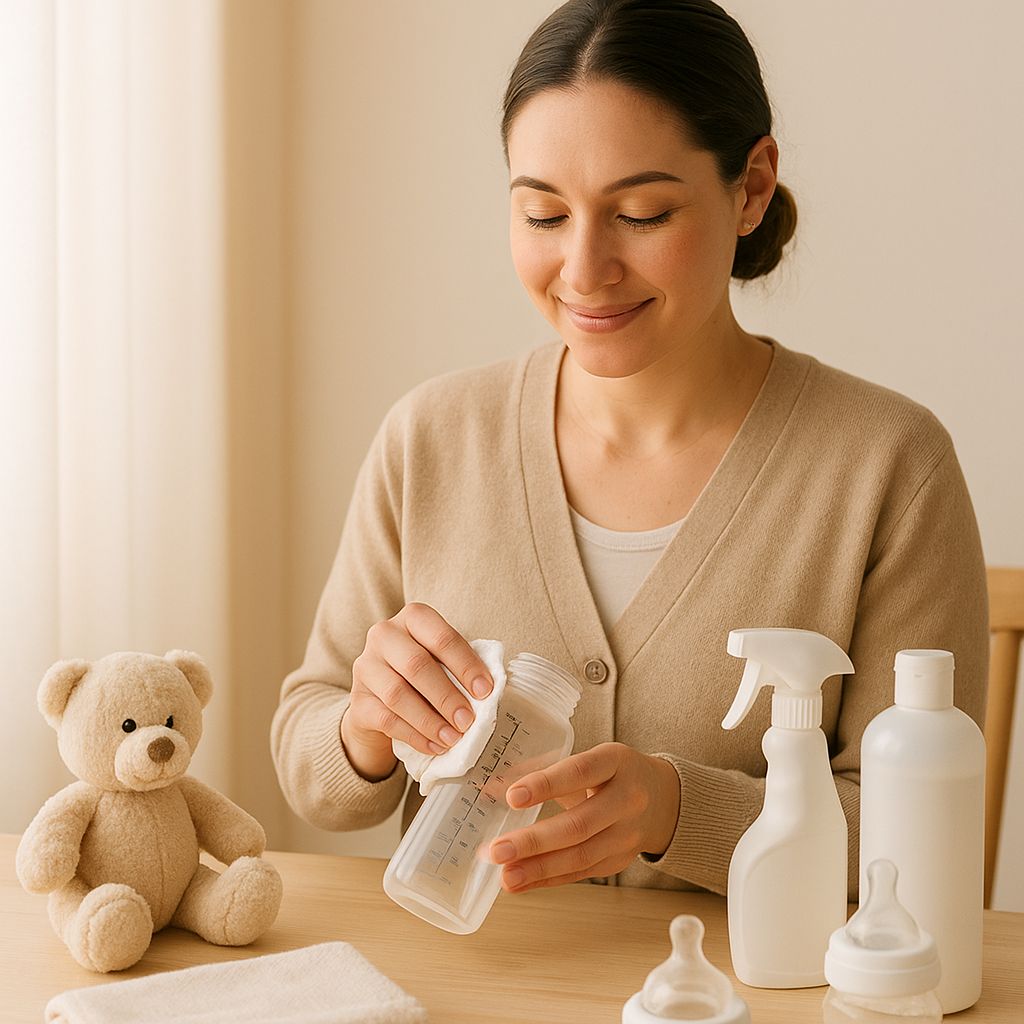
- After Every Use: Wash bottles, nipples, caps, and breast pump parts in hot, soapy water. Use a dedicated bottle brush to scrub all surfaces, including hard-to-reach areas.
- Sanitizing: For babies under 3 months, preemies, or when your baby is ill, sterilize feeding equipment daily. Boil in water for 5 minutes, use a steam sterilizer, or run through a dishwasher with a sanitize cycle (if labeled dishwasher-safe).
- Drying: Allow parts to air dry on a clean towel or drying rack dedicated to baby items. Avoid using dish towels, which can transfer bacteria.
Pacifiers and Teethers
- Daily Cleaning: Wash with warm soapy water and rinse well. For teethers, check for water entry points to prevent mold growth inside.
- Sanitizing: Boil pacifiers for 5 minutes or use a sterilizer, especially for babies under 6 months.
- Inspection: Regularly check for cracks or tears and replace at the first sign of wear.
Baby Toys (Plastic, Silicone, and Plush)
- Hard Toys: Wash weekly or after sick days with warm soapy water or a baby-safe cleaning solution. Rinse and air dry.
- Dishwasher Option: Many plastic and silicone toys are top-rack dishwasher safe. Check manufacturer guidelines.
- Plush Toys: Most can be machine washed on a gentle cycle in a mesh bag with mild detergent. Air dry or tumble dry on low, as per label instructions. For surface-only items, spot clean with a damp cloth and mild soap.
- Sanitizing: Occasionally soak bath toys in a 1:1 solution of vinegar and water, then rinse thoroughly.
Bibs, Blankets, and Clothing
- Laundry Routine: Wash bibs, blankets, and clothing separately from regular laundry using a gentle, hypoallergenic detergent. Use hot water for soiled items (like blowouts or spit-up).
- Stain Removal: Treat stains immediately. Soak in cold water, apply a paste of baking soda, or use a baby-safe stain remover before washing.
- Drying: Sun drying can naturally bleach and disinfect. Otherwise, use a dryer on low to medium heat.
Strollers, Car Seats, and Baby Carriers
- Regular Wiping: Wipe down handles, trays, and harnesses with a damp cloth and mild soap at least weekly.
- Deep Cleaning: Remove fabric covers according to instructions and machine wash. Wipe non-removable parts and air dry fully before reassembly.
- Crumb Patrol: Regularly vacuum out food crumbs and debris from crevices to prevent mold and pests.
- Safety Checks: Inspect straps, buckles, and frames for signs of damage or wear. Ensure all parts function correctly after cleaning.
High Chairs and Changing Tables
- After Each Use: Wipe down trays and surfaces with baby-safe wipes or a cloth dipped in soapy water.
- Deep Cleaning: Weekly, remove and wash seat pads and harnesses. Wash the plastic tray in the dishwasher if possible.
- Disinfecting: Use a diluted vinegar solution or baby-safe disinfectant for surfaces, especially after messy meals or diaper changes.
DIY Baby-Safe Cleaning Solutions
Many commercial cleaners contain chemicals not recommended for baby gear. Here are some simple, effective alternatives:
- Vinegar Solution: Mix equal parts distilled white vinegar and water for wiping hard surfaces and toys. Rinse well.
- Baking Soda Paste: Combine baking soda with a little water to scrub stubborn stains from plastics and fabrics.
- Lemon Power: Lemon juice is a natural antibacterial and can freshen up bottles or toys (rinse thoroughly afterward).
How to Set Up a Cleaning Routine
Consistency is key to maintaining a hygienic environment for your baby. Here’s a suggested schedule:
- Daily: Clean bottles, pacifiers, feeding equipment, and high chair trays.
- Weekly: Wash toys, blankets, and stroller fabrics. Wipe down car seats and carriers.
- Monthly: Deep clean all gear, including sanitizing bath toys and inspecting for wear and tear.
Consider creating a cleaning checklist or reminders to keep on track. Involve other caregivers to share the responsibility.
When to Replace Baby Products
Even with meticulous cleaning, all baby products have a lifespan. Replace items immediately if you notice:
- Cracks, tears, or broken parts
- Mold, persistent stains, or odors that don’t wash out
- Expired car seats, bottles, or other gear (check manufacturer dates)
- Loose or malfunctioning safety features
When in doubt, it’s always safer to err on the side of caution.
Special Considerations
- Allergies & Sensitivities: If your baby has eczema or allergies, choose fragrance-free detergents and double-rinse fabrics.
- Eco-Friendly Practices: Opt for reusable cleaning cloths and natural cleaners when possible.
- Travel Gear: Clean travel cribs, play yards, and portable seats before and after each trip.
Conclusion
Properly cleaning and maintaining baby products is one of the cornerstones of safe and happy parenting. By following best practices, using safe cleaning agents, and establishing a regular routine, you’ll keep your baby’s environment clean, hygienic, and comforting—giving you peace of mind and your little one the healthiest start in life.
Frequently Asked Questions
- How often should I clean my baby’s bottles and feeding equipment?
- Baby bottles and feeding equipment should be washed after every use and sanitized at least once a day, especially for infants under three months or premature babies.
- Is it safe to use bleach or harsh chemicals to clean baby products?
- It’s best to avoid harsh chemicals and stick with baby-safe detergents, vinegar solutions, or products specifically labeled as safe for infant use. Always rinse thoroughly.
- How can I clean plush toys and stuffed animals?
- Most plush toys can be machine washed on a gentle cycle with mild detergent. Check the label for instructions and air dry thoroughly to prevent mold.
- What’s the best way to sanitize bath toys?
- Soak bath toys in a solution of equal parts white vinegar and water for 10-15 minutes, scrub, and rinse well. Allow to air dry completely.
- How do I maintain baby gear like strollers and car seats?
- Regularly wipe down surfaces, vacuum crumbs, and follow manufacturer instructions for washing removable fabrics. Inspect for loose parts and ensure all safety features are functional.