Building Healthy Lifestyle Habits for Kids: A Parent’s Guide
As parents, we all want our children to thrive—physically, mentally, and emotionally. Building healthy lifestyle habits early in life is one of the most powerful gifts you can give your child. These habits lay the foundation for lifelong well-being, fostering resilience, focus, and happiness. In this comprehensive guide, we’ll explore the essential pillars of a healthy lifestyle for kids and offer actionable strategies for parents to nurture these habits at home.
Why Are Healthy Lifestyle Habits Important for Kids?
Healthy habits formed in childhood often carry into adulthood, shaping behavior, health outcomes, and even academic success. The CDC and World Health Organization emphasize that children who practice good nutrition, stay active, get adequate sleep, and manage screen time are less likely to develop chronic diseases, obesity, and mental health challenges.
Core Pillars of a Healthy Lifestyle for Children
- Balanced Nutrition
- Physical Activity
- Positive Sleep Routines
- Screen Time Management
- Emotional Wellbeing and Social Connections
- Good Hygiene Practices
1. Balanced Nutrition: Fueling Growth and Development
Proper nutrition is the cornerstone of healthy development. Here’s how to build strong nutritional habits:
Offer a Variety of Foods
Expose your child to a range of fruits, vegetables, whole grains, lean proteins, and healthy fats. Diversity helps ensure they receive essential vitamins and minerals.
Practice Family Meals
Eating together as a family encourages healthy eating patterns and offers opportunities for role modeling. Research shows that children who participate in family meals eat more fruits and vegetables and are less likely to develop unhealthy eating behaviors.
Encourage Mindful Eating
Teach children to listen to their hunger and fullness cues. Avoid pressuring kids to finish everything on their plate, and instead, focus on developing a positive relationship with food.
Limit Processed Foods and Sugary Drinks
Reserve high-sugar snacks and beverages for occasional treats. Opt for water or milk as the main drinks, and read nutrition labels together to foster awareness.
2. Physical Activity: Moving for Health and Happiness
Physical activity strengthens muscles and bones, supports heart health, boosts mood, and aids concentration. The CDC recommends at least 60 minutes of moderate to vigorous activity daily for school-aged children.
Incorporate Activity Into Daily Life
- Walk or bike to school when possible
- Engage in family sports or outdoor games
- Encourage unstructured playtime—jump rope, tag, or obstacle courses
- Sign up for local classes or team sports based on your child’s interests
Model an Active Lifestyle
Children are more likely to be active if their parents are too. Make exercise a family affair—weekend hikes, dance parties in the living room, or yoga sessions before bed can be both fun and beneficial.
3. Positive Sleep Routines: Restoring Body and Mind
Sleep is essential for physical growth, brain development, and emotional regulation. According to the American Academy of Sleep Medicine, children aged 6–12 need 9–12 hours of sleep per night, and teens need 8–10 hours.
Establish Consistent Bedtimes and Wake Times
A regular sleep schedule helps regulate the body’s internal clock, making it easier for children to fall asleep and wake up refreshed.
Create a Calming Pre-Bed Routine
- Dim the lights and reduce household noise
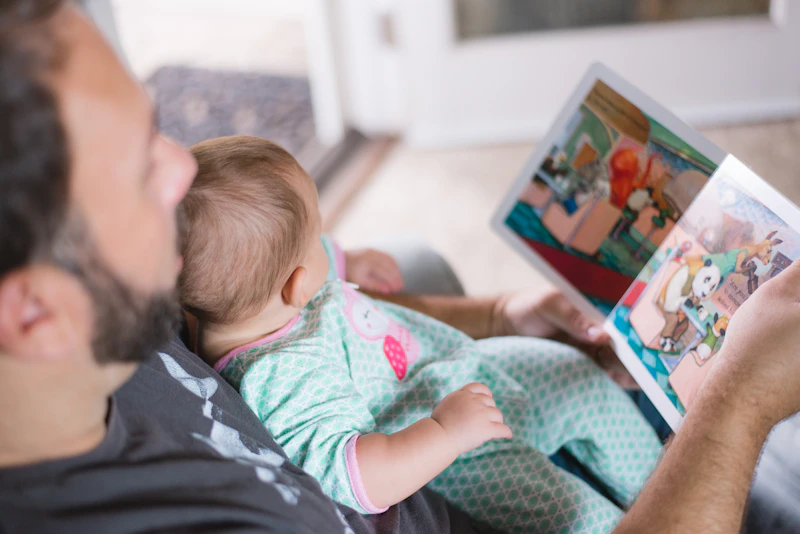
- Read together or practice gentle stretching
- Avoid stimulating activities and screens for at least an hour before bedtime
Optimize the Sleep Environment
Ensure your child’s room is cool, dark, and quiet. Comfortable bedding and a favorite stuffed animal can also help signal that it’s time to rest.
4. Screen Time Management: Finding a Healthy Balance
Technology is a part of modern childhood, but excessive screen time can affect sleep, physical activity, and social skills. The American Academy of Pediatrics recommends no more than 1–2 hours of recreational screen time per day for school-age children.
Set Clear Boundaries
- Designate tech-free zones (e.g., bedrooms, dinner table)
- Encourage breaks every 30–60 minutes of screen use
- Use parental controls to monitor content
Promote Offline Activities
Balance screen time with outdoor play, reading, arts and crafts, and family board games. Encourage hobbies that spark curiosity without a digital device.
5. Emotional Wellbeing and Social Connections
Emotional health is just as important as physical health. Help children develop self-esteem, empathy, and positive relationships with these strategies:
- Foster open communication—listen to your child without judgment
- Encourage friendships and cooperative play
- Teach problem-solving and stress-management techniques, such as deep breathing or journaling
- Model positive self-talk and emotional expression
6. Good Hygiene Practices
Hygiene habits prevent illness and promote overall wellness. Teach children to:
- Wash hands thoroughly before eating and after using the bathroom
- Brush teeth twice a day and floss daily
- Shower or bathe regularly
- Cover coughs and sneezes with their elbow
How to Build Healthy Habits That Stick
Making lifestyle changes can be challenging, especially for kids. Here are evidence-based strategies to help habits become second nature:
Start Small and Build Gradually
Focus on one or two habits at a time. For example, start with a family walk after dinner before adding more structured activities.
Be Consistent
Consistency is key to habit formation. Establish routines that are realistic for your family’s schedule and stick to them as much as possible.
Involve Your Child in Decision-Making
Empower kids by letting them choose physical activities, help with meal planning, or set goals for screen-free days. Ownership increases motivation.
Use Positive Reinforcement
Praise effort, not just outcomes. Celebrate small successes to build confidence and encourage continued progress.
Overcoming Common Challenges
Busy schedules, picky eating, and resistance to new routines are common hurdles. Here’s how to address them:
Busy Family Schedules
- Meal prep ahead of time
- Incorporate activity into daily routines (e.g., park farther from entrances, take the stairs)
- Prioritize quality over quantity—short but regular activities are better than long but infrequent ones
Picky Eaters
- Offer new foods alongside familiar favorites
- Encourage, but don’t force, tasting
- Repeat exposure—sometimes it takes 10–15 tries before a child accepts a new food
Screen Time Pushback
- Set clear expectations and explain the reasons behind them
- Provide appealing alternatives (e.g., craft kits, sports equipment)
- Be a role model—limit your own recreational screen time
The Role of Parents: Leading by Example
Children are keen observers. When parents model healthy habits, kids are more likely to adopt them. Share your own goals and challenges, and approach change as a family team. Remember, perfection isn’t the goal—progress is.
Conclusion: Laying the Foundation for a Lifetime of Health
Building healthy lifestyle habits in kids is a journey, not a destination. By focusing on balanced nutrition, regular activity, positive sleep hygiene, mindful screen time, and emotional well-being, you set your child up for a bright and healthy future. Small steps, consistency, and family support create lasting change. Start today—your child’s lifelong wellness begins at home.