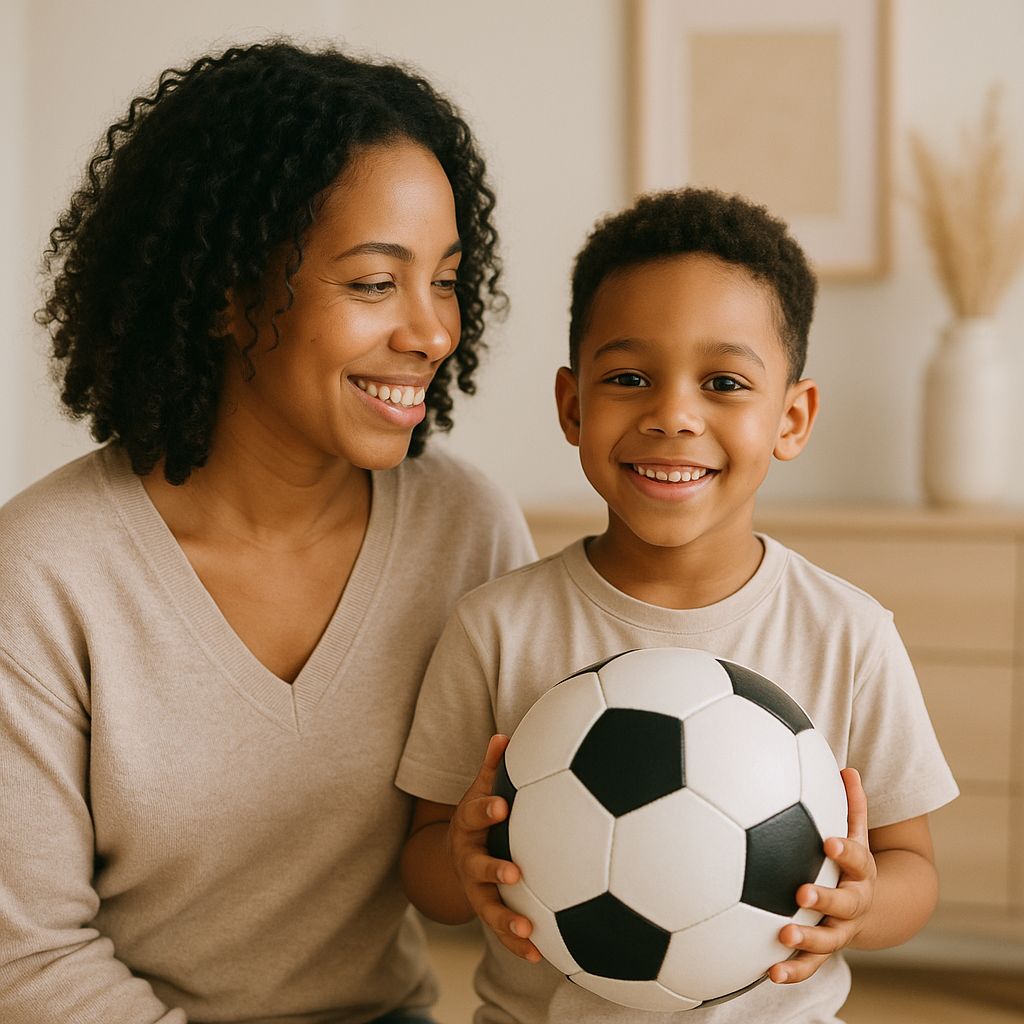

Best Sports for Kids in This Age Group: A Comprehensive Guide for Parents

Choosing the right sport for your child is more than just picking a pastime—it’s a pivotal decision that can shape their physical, emotional, and social development. With the ever-growing variety of sports available, parents may feel overwhelmed deciding what is most suitable for their child’s age, interests, and abilities. This comprehensive guide explores the best sports for kids in this age group, highlighting the benefits, safety considerations, and how to make the best choice for your family.
Why Sports Matter for Kids
Engaging in sports goes far beyond physical health. The right activities can foster self-esteem, teamwork, discipline, and lifelong healthy habits. According to the American Academy of Pediatrics, children who participate in sports are more likely to maintain healthy weights, develop stronger social skills, and show better academic performance. Sports are also a powerful tool for teaching resilience, sportsmanship, and leadership—traits that benefit children well into adulthood.
Understanding Age-Appropriate Sports
Not all sports are suitable for every age group. Children’s bodies and minds develop rapidly, and introducing them to age-appropriate activities ensures safety, enjoyment, and skill mastery. Here’s a breakdown of the best sports for common age stages:
Preschoolers (Ages 3-5)
- Recommended Sports: Swimming, gymnastics, soccer (non-competitive), dance, basic martial arts (karate/tumbling)
- Why: At this age, children thrive on activities that develop fundamental motor skills—running, jumping, balancing—and should focus on fun over competition. Structured play and simple instructions work best.
- Tips: Emphasize participation and enjoyment. Look for programs that prioritize safety and positive reinforcement.
Early Elementary (Ages 6-9)
- Recommended Sports: Soccer, T-ball/baseball, basketball, swimming, gymnastics, tennis, martial arts
- Why: Kids begin to understand rules, teamwork, and can handle more structured practices. Their coordination and attention span are increasing, making it possible to introduce more complex movements and basic competition.
- Tips: Sample several sports to find your child's interests. Emphasize basic skills and playing with friends.
Late Elementary (Ages 10-12)
- Recommended Sports: Soccer, basketball, baseball/softball, volleyball, track and field, swimming, martial arts, tennis, dance
- Why: This group is ready for more competition and can focus on skill refinement. Peer relationships are important, so team sports can be especially rewarding.
- Tips: Let your child take the lead on which sport they enjoy most. Encourage commitment, but avoid over-scheduling.
Teens (Ages 13+)
- Recommended Sports: All previously listed sports, plus rowing, golf, wrestling, cross-country, lacrosse, field hockey, and specialized athletics
- Why: Teens can specialize in a sport if desired, or continue to diversify their activities. The focus can shift towards personal goals, competition, and potential scholarships.
- Tips: Watch for burnout and overuse injuries. Encourage balance between sports, academics, and social life.
Top 10 Sports for Kids: In-Depth Overview
- Soccer
Why it’s great: Soccer is accessible, requires minimal equipment, and emphasizes teamwork and cardiovascular health. It’s suitable for kids as young as 3 in non-competitive settings.
Parent tip: Look for development leagues focused on fun and skill-building rather than winning. - Swimming
Why it’s great: Swimming is a life-saving skill, builds endurance, and is gentle on growing joints. Great for kids of all ages, including those with special needs.
Parent tip: Enroll in certified lessons with attention to water safety. - Gymnastics
Why it’s great: Develops flexibility, balance, and strength. Offers both individual and group experiences.
Parent tip: Start early but ensure the program is age-appropriate and focuses on safety and fun. - Martial Arts
Why it’s great: Teaches self-discipline, respect, and self-defense. Benefits kids who prefer individual progress. - Baseball/Softball
Why it’s great: Classic team sports with a focus on coordination, strategy, and patience. Best for ages 6+. - Basketball
Why it’s great: Good for cardiovascular health, agility, and hand-eye coordination. Teamwork and fast-paced action keep kids engaged. - Tennis
Why it’s great: Develops quick reflexes and individual discipline. Can be played recreationally or competitively. - Dance
Why it’s great: Enhances rhythm, coordination, and expression. Available in many styles to suit different personalities. - Track and Field
Why it’s great: Offers a variety of events—running, jumping, throwing—so kids can find their niche. - Volleyball
Why it’s great: Promotes teamwork, communication, and upper-body strength. Typically introduced at older elementary ages and up.
Benefits of Sports for Kids
- Physical health: Improves fitness, strengthens bones and muscles, and helps prevent obesity.
- Social skills: Teaches cooperation, communication, and conflict resolution.
- Emotional well-being: Enhances self-esteem, reduces stress, and fosters resilience.
- Academic performance: Active kids often have better concentration and classroom behavior.
- Lifelong habits: Encourages a love for movement and healthy lifestyle choices.
How to Choose the Right Sport for Your Child
Every child is unique. When selecting a sport, consider:
- Your child’s interests and personality. Are they more social or independent? Do they prefer fast-paced action or strategic games?
- Physical abilities and health. Some sports may be better suited for children with specific needs or abilities.
- Family schedule and resources. Consider the time commitment, travel, and equipment costs.
- Safety and qualified coaching. Choose programs with trained coaches and proper safety measures.
- Opportunities for fun and learning. Early experiences should prioritize enjoyment and skill development over intense competition.
Team vs. Individual Sports: Which Is Better?
Both types of sports offer valuable experiences. Team sports like soccer and basketball teach cooperation, communication, and collective achievement. Individual sports such as tennis or gymnastics foster self-reliance, focus, and goal-setting at a personal level. Many children benefit from trying both to discover their preferences and strengths.
Safety Considerations in Kids’ Sports
- Ensure the sport is age-appropriate and matches your child’s physical maturity.
- Always use proper safety equipment (helmets, pads, mouthguards).
- Warm up before activity and cool down afterward to prevent injuries.
- Stay hydrated and encourage rest days.
- Monitor for signs of burnout or overuse injuries, especially in competitive settings.
- Choose leagues with trained and supportive coaches who emphasize safety, sportsmanship, and fun.
Parental Involvement: Supporting Your Young Athlete
Your encouragement is vital. Here’s how to help your child thrive in sports:
- Be positive. Focus on effort and enjoyment, not just winning.
- Model good sportsmanship. Respect coaches, referees, and other players.
- Listen to your child. If they lose interest or feel stressed, be open to change.
- Balance schedules. Leave time for rest, family, and academics.
- Celebrate progress. Small achievements build confidence and motivation.
Frequently Asked Questions
- What is the best age to start kids in sports?
- Most children can start basic sports activities as early as age 3-5 with unstructured play. Formal team sports are often appropriate around ages 6-7 when children can grasp rules and teamwork.
- How do I choose the best sport for my child?
- Consider your child’s interests, temperament, physical abilities, and the sport’s safety level. Expose them to different activities and prioritize fun and skill development.
- Are team sports better than individual sports for young kids?
- Both have unique benefits. Team sports foster cooperation and communication, while individual sports nurture self-discipline and focus. A mix can provide balanced development.
- How can I ensure my child stays safe while playing sports?
- Choose age-appropriate sports, use proper equipment, ensure qualified coaching, and encourage warm-ups, hydration, and rest. Always prioritize your child’s physical and emotional safety.
Conclusion
Sports are a powerful way to equip your child with life skills, confidence, and healthy habits. The best sport for your child is one that matches their interests, abilities, and developmental stage. By prioritizing safety, enjoyment, and positive experiences, you’re setting your child up for a lifetime of movement, friendship, and growth. Explore options, stay flexible, and—most importantly—have fun together on this exciting journey!
For more expert parenting tips and guides on raising happy, healthy kids, explore our other articles at Growing Giggles.