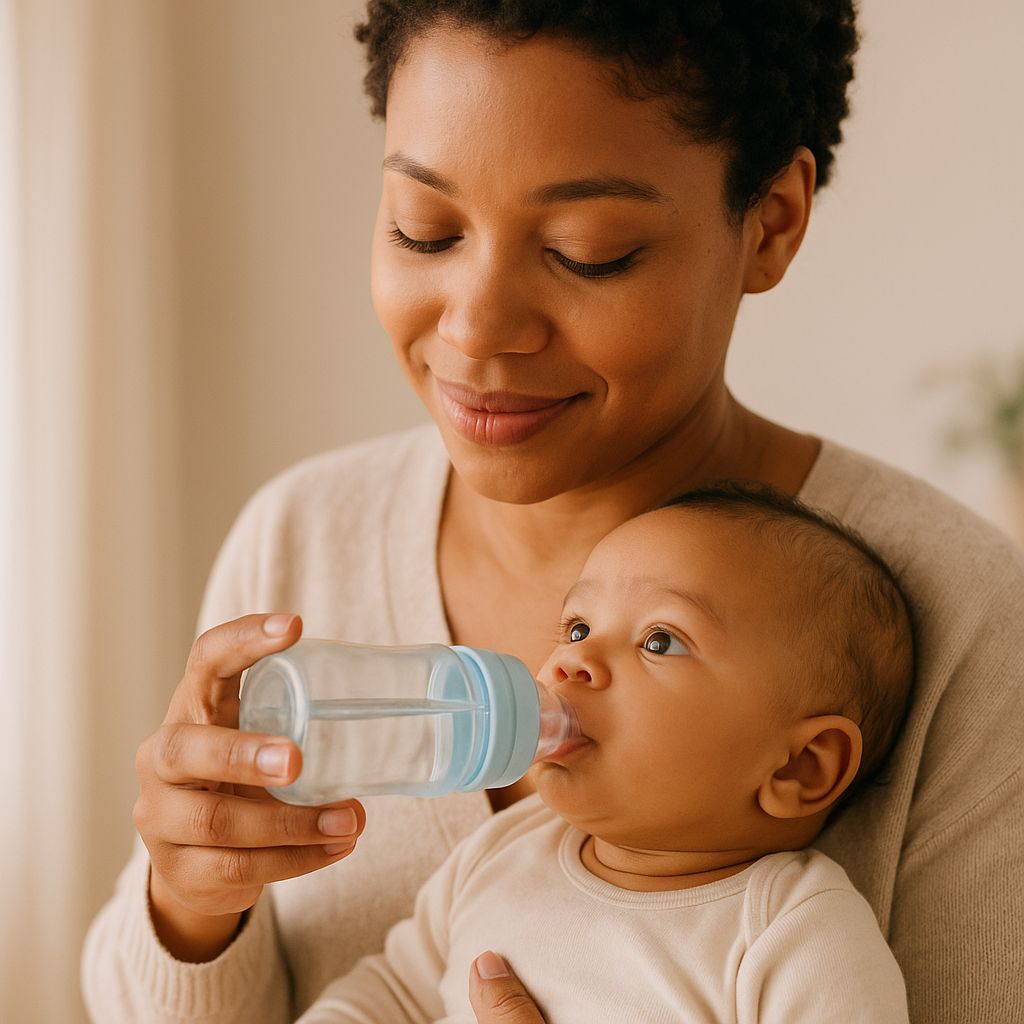

Baby Hydration Myths Every Parent Should Know
Staying hydrated is crucial for everyone, especially babies. But as a parent, you might find yourself bombarded with conflicting advice about baby hydration. Should you offer water on a hot day? Is a bottle of formula enough? From old wives’ tales to well-meaning but misguided tips, it’s easy to get confused. Let’s clear up the confusion and debunk the most common baby hydration myths so you can keep your little one healthy and safe!
Myth 1: Babies Need Water from Birth
This is one of the most common misconceptions. Many parents assume that, just like adults, newborns need water to stay hydrated. In reality, breastmilk or formula provides all the hydration your baby needs for the first six months of life. Water can actually be dangerous for newborns, as their tiny kidneys aren’t equipped to process it. Giving water can dilute their electrolytes, leading to a condition called water intoxication.
Expert Insight:
The American Academy of Pediatrics (AAP) recommends exclusive breastmilk or formula feeding until your baby is around six months old. These provide the right balance of nutrients and hydration—no extra water needed!
Myth 2: Babies Get Dehydrated Easily and Need Extra Water
You might worry that your baby is at risk of dehydration, especially during hot weather or illness. While it’s true that babies are more susceptible to dehydration, offering extra water isn’t the solution. Instead, increase breastmilk or formula feedings if your baby seems thirsty or if it's particularly hot outside.
Signs of Dehydration:
- Fewer wet diapers (less than 6 a day for infants)
- Dark yellow urine
- Dry mouth or lips
- Sunken eyes
- Lethargy or irritability
If you notice these symptoms, contact your pediatrician right away. Severe dehydration can be dangerous and requires prompt medical attention.
Myth 3: Once Babies Start Solids, They Need Lots of Water
When your baby starts on solids (typically around six months), you can begin offering small sips of water in addition to breastmilk or formula. However, your baby doesn’t need large quantities of water. Their main source of hydration should still be breastmilk or formula throughout the first year.
Introducing water is a gradual process. Offer a few sips with meals, but don’t force it. Too much water can fill your baby up, making them less interested in nutrient-dense foods and milk.
How Much Water Is Enough?
Between 6-12 months, a few ounces per day is plenty. Think of water as a supplement, not a replacement.
Myth 4: Formula-Fed Babies Need Extra Water
Some parents believe that formula isn’t as hydrating as breastmilk and therefore babies need extra water. This isn’t true! Formula is specifically designed to meet your baby’s nutritional and hydration needs. Offering water before six months can disrupt the delicate balance of nutrients and electrolytes.
Myth 5: Babies Should Drink Water During Hot Weather
It’s natural to worry about dehydration when temperatures soar. Babies lose fluids more quickly than adults, but the solution is more frequent breastmilk or formula feeds, not water. Water is only recommended for babies over six months, and even then, it should be offered in moderation.
Summer Hydration Tips:
- Offer breastmilk or formula more often.
- Dress your baby in cool, breathable clothing.
- Keep your baby out of direct sunlight.
- Watch for signs of dehydration.
Myth 6: Juice Is a Good Hydration Source for Babies
Juice is often marketed as a healthy drink for little ones, but it’s not a good hydration source. The AAP advises against offering juice to babies under 12 months. Juice can lead to excess sugar intake, dental issues, and upset tummies. Stick to breastmilk, formula, and water (after six months).
Myth 7: All Babies Need the Same Amount of Water
Just like adults, babies are individuals with unique needs. Factors like age, weight, activity level, climate, and health status influence how much water (or milk) they require. There’s no one-size-fits-all rule. Trust your baby’s cues—if they seem satisfied after feeds and are producing enough wet diapers, they’re likely well hydrated.
Myth 8: Clear Urine Means Your Baby Is Well Hydrated
While clear urine is a sign of good hydration in adults, babies’ urine can vary in color and still be normal. Instead, focus on the number of wet diapers and your baby’s overall behavior. Six or more wet diapers per day is a good indicator for infants.
Myth 9: Giving Water Helps with Constipation
Constipation is common when babies start solids, and many parents think water is the answer. For babies under six months, never use water to treat constipation. For older babies, a few sips can help, but a balanced diet with fiber-rich foods is more effective. If your baby is struggling, consult your pediatrician.
Myth 10: Babies Can Drink Tap Water
Depending on where you live, tap water may contain contaminants that aren’t safe for babies. Always use boiled and cooled water for formula preparation, and check with your local health department or pediatrician about water safety once your baby starts drinking water.
Safe Hydration Practices for Babies
- Under 6 months: Exclusive breastmilk or formula—no water.
- 6-12 months: Offer small sips of water with meals, but breastmilk/formula remains the main drink.
- After 12 months: Water can become a more regular part of your child’s diet.
Practical Tips:
- Watch for signs of thirst or dehydration.
- Never force water or other fluids.
- Consult your pediatrician for personalized advice.
Frequently Asked Questions
- When should I start giving my baby water?
- Babies typically don't need water until they start eating solid foods, usually around six months of age. Before this, breastmilk or formula provides all the hydration they need.
- How can I tell if my baby is dehydrated?
- Signs of dehydration include fewer wet diapers, dry mouth, sunken eyes, fussiness, and lethargy. If you suspect dehydration, contact your pediatrician immediately.
- Is it safe to give water to my newborn?
- No, it's not safe to give water to newborns. Their bodies are not equipped to handle water before six months, and breastmilk or formula is enough to meet their hydration needs.
- Can babies get dehydrated in hot weather?
- Yes, babies are more susceptible to dehydration in hot weather. Ensure they are feeding regularly and look out for signs of dehydration. Consult your pediatrician if concerned.
- What should I do if my baby shows signs of dehydration?
- If your baby shows signs of dehydration, offer feedings more frequently and contact your pediatrician right away. Severe dehydration may require medical attention.
Conclusion: Trust Science, Not Myths
With so much misinformation out there, it’s easy to second-guess yourself. Remember, your baby’s hydration needs change as they grow. For newborns, breastmilk or formula is enough. For older babies, water becomes a helpful addition—but not the main drink.
When in doubt, rely on expert recommendations and your pediatrician’s advice. A well-hydrated baby is a happy, healthy baby—and you’ve got this!
Further Resources
- American Academy of Pediatrics: Infant Feeding
- CDC: Infant and Toddler Nutrition
- World Health Organization: Breastfeeding
Let us know your thoughts below and share your own hydration tips for fellow parents!