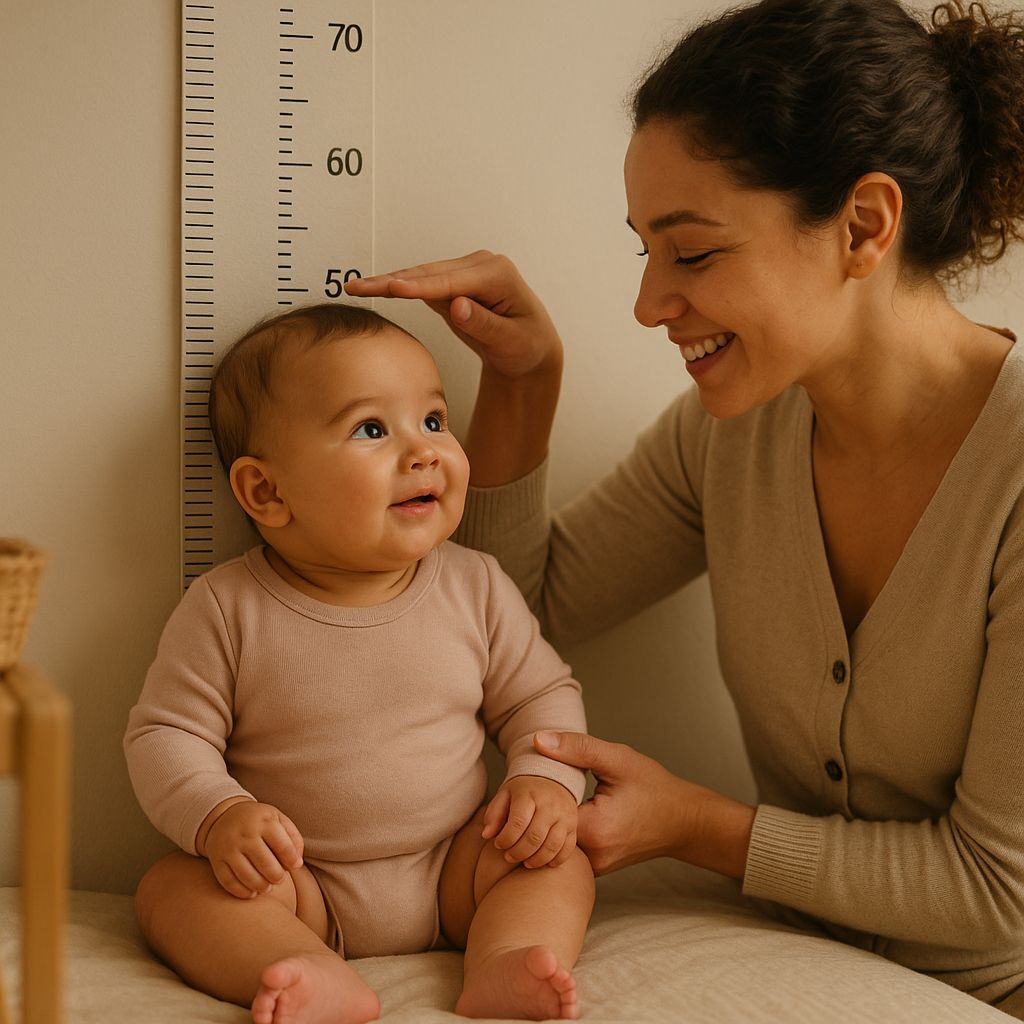

Baby Growth Chart: Understanding Weight and Height
As a parent, watching your baby grow is one of the most joyful and sometimes nerve-wracking experiences. How can you tell if your child is developing healthily? Enter the baby growth chart: a powerful, standardized tool used by healthcare professionals worldwide to monitor your child’s physical development. In this expert guide from Growing Giggles, we decode weight and height percentiles, explain how growth charts work, and provide actionable advice on supporting healthy growth.
What Is a Baby Growth Chart?
Baby growth charts are visual representations of typical growth patterns for children. Developed by the World Health Organization (WHO) and the Centers for Disease Control and Prevention (CDC), these charts track key measurements:
- Weight (in kilograms or pounds)
- Height/Length (in centimeters or inches)
- Head Circumference (for infants)
Growth charts present these measurements against age and sex, allowing parents and clinicians to compare an individual child’s growth with typical children of the same demographic.
Why Are Growth Charts Important?
Growth charts are more than just numbers—they are essential for:
- Identifying potential health issues early
- Monitoring nutritional status
- Tracking growth trends, not just single measurements
- Helping parents understand developmental milestones
Growth charts provide reassurance when development is on track, and signal when further assessment is needed.
How Growth Charts Work: The Basics of Percentiles
Percentiles are the backbone of growth charts. But what do they mean?
- Percentiles indicate how your child compares to others. For example, if your baby’s weight is in the 75th percentile, it means they weigh more than 75% of children their age and sex.
- The 50th percentile represents the median (average) value.
- Percentiles are not grades! Being at the 10th or 90th percentile is not inherently good or bad.
Consistency Matters More Than Percentile Number
What matters most is consistent growth along a percentile line, rather than the specific percentile. For example:
- A child who remains at the 25th percentile for weight and height is likely growing well.
- A sudden drop from the 75th to the 10th percentile could signal an underlying issue.
Weight Percentiles: What to Know
Weight is a key indicator of overall health and nutrition. Here’s what to look for:
- Newborns may lose weight initially, but should regain it by two weeks old.
- Rapid weight gain or loss can indicate feeding problems, metabolic issues, or illness.
- Consistent growth in weight, even at lower percentiles, is usually healthy if the child is meeting milestones.
Consult your pediatrician if you’re concerned about weight trends, especially if there is a sudden change.
Height Percentiles: Interpreting Length and Growth
Height (or length, for infants under two) reflects skeletal and overall development:
- Babies typically grow about 20-25 cm (8-10 inches) in their first year.
- Growth slows after one year, but consistent increases are expected.
- Genetics play a strong role in height; family history is important.
Similar to weight, what matters most is the pattern—steady growth along a percentile line.
Head Circumference: An Important Measure in Infancy
For infants, head circumference is tracked to monitor brain growth:
- Rapid growth in the first year is normal.
- Significant deviations (too small, too large, or sudden changes) can signal neurological issues.
Who Creates Growth Charts?
The two most widely used growth charts are:
- WHO Growth Standards (birth to 2 years): Based on healthy, breastfed infants worldwide.
- CDC Growth Charts (2-20 years): Based on U.S. children and used for older age groups.
Your pediatrician will use the chart relevant to your child’s age and location.
How to Read a Growth Chart: Step-by-Step
- Find your child’s age on the horizontal axis.
- Locate the measurement (weight, height, or head circumference) on the vertical axis.
- Plot the point where age and measurement intersect.
- See which percentile curve your child lands on.
Your healthcare provider will help interpret the data and discuss what it means for your child’s development.
Common Questions About Baby Growth Charts
Should I Worry If My Baby Is Not in the 50th Percentile?
No! The 50th percentile simply represents the median. Children grow at different rates. What’s important is steady growth. If your child suddenly drops percentiles or stops growing, consult your pediatrician.
Can Growth Charts Predict Adult Height?
Growth charts monitor trends, not predict outcomes. Genetics, health, and nutrition all play roles in ultimate height and weight.
Are Growth Charts the Same for Boys and Girls?
No. Boys and girls have different growth patterns, especially after infancy, so charts are separated by sex.
How Often Should My Baby Be Measured?
Babies are measured at every well-child visit, which occurs frequently in the first year (often at birth, 2 weeks, 2 months, 4 months, 6 months, 9 months, and 12 months), then less often as they grow.
Factors That Influence Growth Patterns
Growth is influenced by:
- Genetics: Family history sets a baseline for height and build.
- Nutrition: Adequate intake of calories and nutrients supports optimal growth.
- Health Conditions: Chronic illness, hormone imbalances, or genetic disorders can affect growth.
- Environment: Physical activity and emotional wellbeing play roles.
When to Be Concerned About Growth
Consult your pediatrician if you notice:
- A sudden drop in weight or height percentiles
- No growth over a period of months
- Measurements consistently below the 3rd percentile or above the 97th percentile
- Other signs like delayed milestones, feeding difficulties, or chronic illness
Your doctor may recommend additional tests or referrals if concerns arise.
Supporting Healthy Growth: Tips for Parents
- Feed appropriately: Follow your pediatrician’s guidance on breastfeeding, formula, and introduction of solids.
- Monitor milestones: Growth isn’t just about size—track motor, cognitive, and social milestones.
- Attend well-child visits: Regular checkups ensure timely measurements and early identification of issues.
- Ask questions: Don’t hesitate to discuss concerns with your healthcare provider.
- Promote activity: Encourage physical movement and play as your child grows.
Growth Chart Myths and Misconceptions
- Myth: Higher percentiles mean healthier babies.
Fact: Healthy babies come in all shapes and sizes. Consistency matters most. - Myth: Growth charts are diagnostic tools.
Fact: They are screening tools, not diagnostic instruments. - Myth: If a child is below the 50th percentile, something is wrong.
Fact: Many healthy children track below or above the median.
Conclusion: Growth Charts as Guides, Not Judgments
Baby growth charts are invaluable for monitoring your child’s physical development. Remember, percentiles are guidelines, not judgments. What matters most is consistent growth and meeting milestones. If you have concerns, your pediatrician is your best source for advice and support.
With knowledge and regular checkups, you can support your child’s journey through every stage of growth and development.
Further Resources
FAQ
- What is a baby growth chart?
A baby growth chart is a standardized tool used by healthcare professionals to track a child's growth over time, comparing their weight, height (length), and head circumference against population norms. - How are percentiles on growth charts interpreted?
Percentiles show how your child’s measurements compare to others. For example, the 50th percentile means a child is at the average for their age and sex. Consistent growth along a percentile is more important than the percentile number itself. - Should I worry if my baby is not in the 50th percentile?
No. Children grow at their own rates. What matters most is a steady growth pattern rather than a specific percentile. Consult your pediatrician if you notice sudden changes or dips. - How often should my baby be measured and tracked?
Babies are typically measured at each well-child visit, which occurs frequently in the first year and then less often as they grow. Your pediatrician will advise the best schedule. - Can growth charts predict my child’s adult height?
Growth charts do not predict adult height but help monitor growth trends. Genetics, nutrition, and health conditions all play roles in ultimate height and weight.