
What to Do When Your Baby Feels Warm but Has No Fever: A Parent’s Guide
As a parent, few things are more concerning than noticing your baby feels unusually warm. You reach for the thermometer, hoping for clarity—and find no fever. So what now? Should you worry, or is this just another normal part of babyhood?
Babies are notorious for sending confusing signals. Their bodies are still learning how to regulate temperature, and their sensitivity to environmental changes can leave parents second-guessing every warm forehead or rosy cheek. At Growing Giggles, we’re here to reassure you: a warm baby doesn’t always mean a sick baby. Let’s explore the reasons behind this, what you can do, and when to seek help.
Understanding Baby Body Temperature
Babies have different temperature norms than older children and adults. Their small bodies can heat up or cool down quickly, and their ability to regulate body temperature is still developing. Here’s what you need to know:
- Normal body temperature: For most babies, normal is between 97.5°F and 99.5°F (36.4°C to 37.5°C).
- Fever threshold: A fever is typically defined as a rectal temperature of 100.4°F (38°C) or higher.
- Sensation vs. reality: Your baby may feel warm to the touch but not actually have a fever. Skin temperature can be influenced by activity, environment, or even teething.
Common Reasons Your Baby Feels Warm Without a Fever
There are several benign causes for your baby feeling warm but not having a fever. Understanding these can help you respond calmly and confidently.
1. Environmental Factors
Babies are sensitive to their surroundings. A warm room, excessive clothing, or direct sunlight can quickly make your baby feel warm.
- Overbundling: Dressing your baby in too many layers can cause overheating.
- Warm weather: Hot days or a heated room may raise skin temperature temporarily.
- Car seats and blankets: Prolonged contact with warm surfaces can make babies feel hot.
2. Physical Activity
If your baby has been crawling, playing, or even just fussing, increased muscle activity can temporarily make their skin feel warm.
3. Teething
Teething is often blamed for fevers, but it rarely causes a true fever. However, teething can make your baby’s cheeks flushed and warm, especially if they’re drooling or chewing.
4. Bath Time
A recent warm bath or being wrapped in a towel can elevate skin temperature, making your baby feel warm for a short period.
5. Immature Temperature Regulation
Babies, especially newborns, are still learning to regulate their body temperature. They may feel warm or cool depending on their surroundings.
6. Mild Illness or Vaccination
Sometimes, a mild viral infection or a recent vaccination can cause your baby to feel a little warmer than usual without reaching fever levels.
How to Check Your Baby’s Temperature Accurately
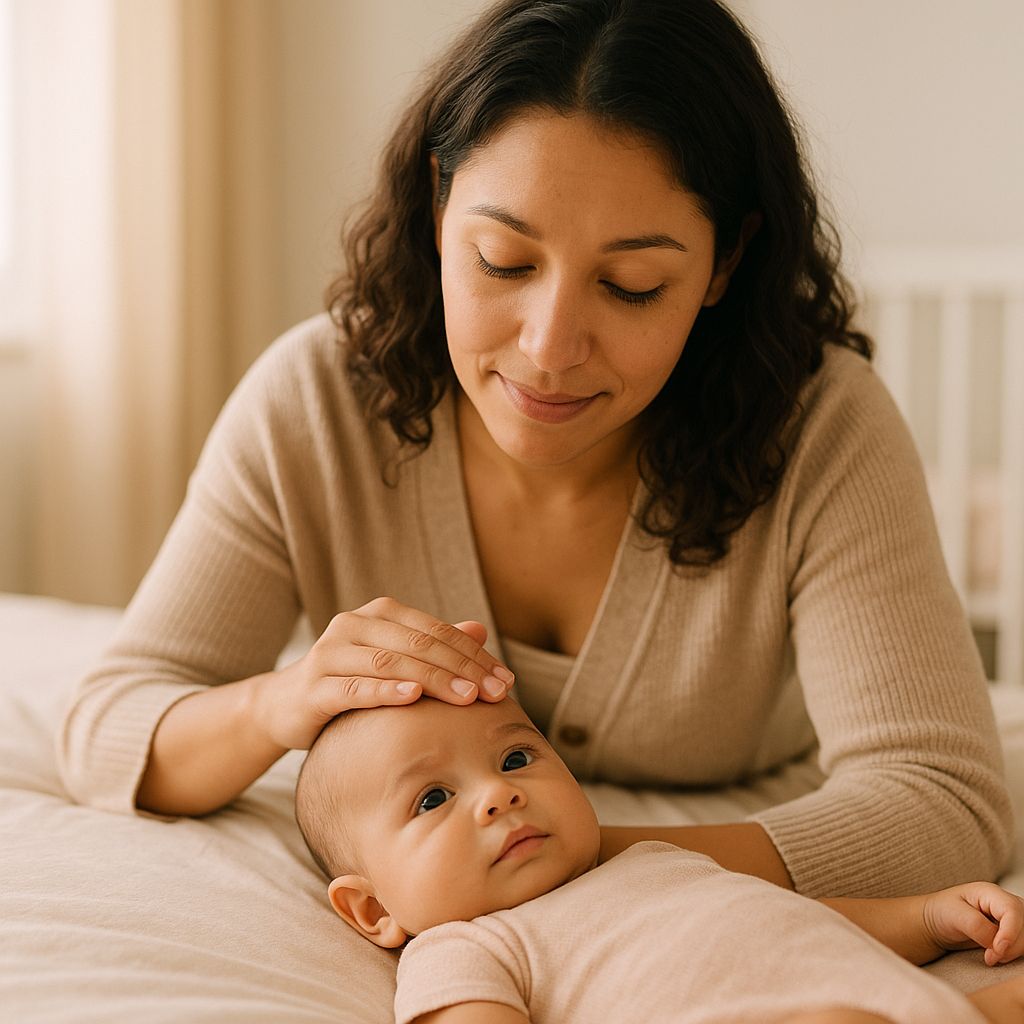
Touch can be misleading. To know if your baby truly has a fever, use a thermometer:
- Digital rectal thermometer: Most accurate for infants under 3 months.
- Axillary (underarm): Less accurate, but good for quick checks.
- Forehead or ear thermometers: Convenient, but may not be reliable for newborns.
Always follow manufacturer instructions, and clean the thermometer after each use.
When to Worry: Signs That Need Medical Attention
While a warm baby without a fever is often harmless, certain symptoms may signal a deeper issue. Seek medical attention if your baby:
- Is lethargic or difficult to wake
- Has poor feeding or refuses to eat
- Is irritable or inconsolable
- Has difficulty breathing
- Shows signs of dehydration (few wet diapers, dry mouth)
- Develops a rash
- Has a rectal temperature above 100.4°F (38°C)
Trust your instincts. If something feels "off," call your pediatrician.
How to Keep Your Baby Comfortable
Here are expert tips for keeping your baby comfortable when they feel warm but have no fever:
1. Dress Your Baby Appropriately
- Choose lightweight, breathable fabrics like cotton.
- Remove extra layers if your baby feels warm.
- Dress your baby similarly to how you would dress yourself for the room temperature.
2. Monitor Room Temperature
- Keep your baby’s room between 68–72°F (20–22°C).
- Use a fan or air conditioner in hot weather, but avoid direct airflow on your baby.
3. Offer Fluids
- For infants under 6 months, continue breastfeeding or formula feeding.
- Older babies can have small sips of water, if age-appropriate.
4. Avoid Overbundling
- Swaddling is helpful for newborns, but avoid thick blankets in warm environments.
- Check your baby’s back or tummy, not just hands or feet, for warmth.
5. Take Breaks from Car Seats and Carriers
- Car seats and carriers can trap heat. Give your baby breaks and check their temperature.
6. Keep Your Baby Out of Direct Sunlight
- Direct sunlight can rapidly increase skin temperature. Use shade or sun hats when outdoors.
Common Myths About Baby Warmth and Fever
- Myth: Teething always causes fever.
Fact: Teething may cause mild warmth, but true fever is rare. - Myth: Hands and feet should always be warm.
Fact: Babies often have cooler extremities even when healthy. - Myth: If your baby feels warm, they are sick.
Fact: There are many non-illness reasons for warmth.
Expert Advice: Trust Your Parenting Instincts
It’s easy to get anxious when your baby feels warm. Remember: you know your child best. If your baby is alert, feeding well, and showing no concerning symptoms, warmth without fever is usually harmless.
Keep a log of symptoms, monitor temperature, and reach out to your healthcare provider if you’re worried.
Frequently Asked Questions
- Why does my baby feel warm but has no fever?
- Babies often feel warm due to activity, environmental factors, or their immature temperature regulation. If a thermometer shows no fever, your baby is likely just fine.
- How can I accurately check my baby's temperature?
- Use a digital thermometer, ideally rectally for infants, following the manufacturer's instructions. Avoid forehead or ear thermometers for newborns as they may be less accurate.
- When should I worry about my baby feeling warm?
- If your baby shows other symptoms like lethargy, irritability, poor feeding, or rash, consult your pediatrician even if there’s no fever.
- What can I do to keep my baby comfortable?
- Dress your baby in breathable clothing, keep their environment cool, and offer fluids if age-appropriate. Monitor their behavior and temperature regularly.
- Can teething make my baby feel warm without a fever?
- Yes, teething can cause mild warmth or flushed cheeks, but it shouldn’t cause a true fever. If you’re concerned, check your baby’s temperature and consult your pediatrician.
When to Call Your Pediatrician
If you’re ever unsure, don’t hesitate to call your pediatrician. It’s better to ask questions than to worry in silence. Keeping open lines of communication with your healthcare provider will help you make informed decisions and ensure your baby’s health and happiness.
Summary
A baby who feels warm but doesn’t have a fever is usually experiencing a normal, harmless phenomenon. Trust your thermometer, monitor for other symptoms, and keep your baby comfortable. With a little knowledge and a lot of love, you’re equipped to handle the ups and downs of babyhood.
At Growing Giggles, we’re always here to support you with expert advice and parent-tested tips. If you found this article helpful, share it with a friend or bookmark it for future reference!