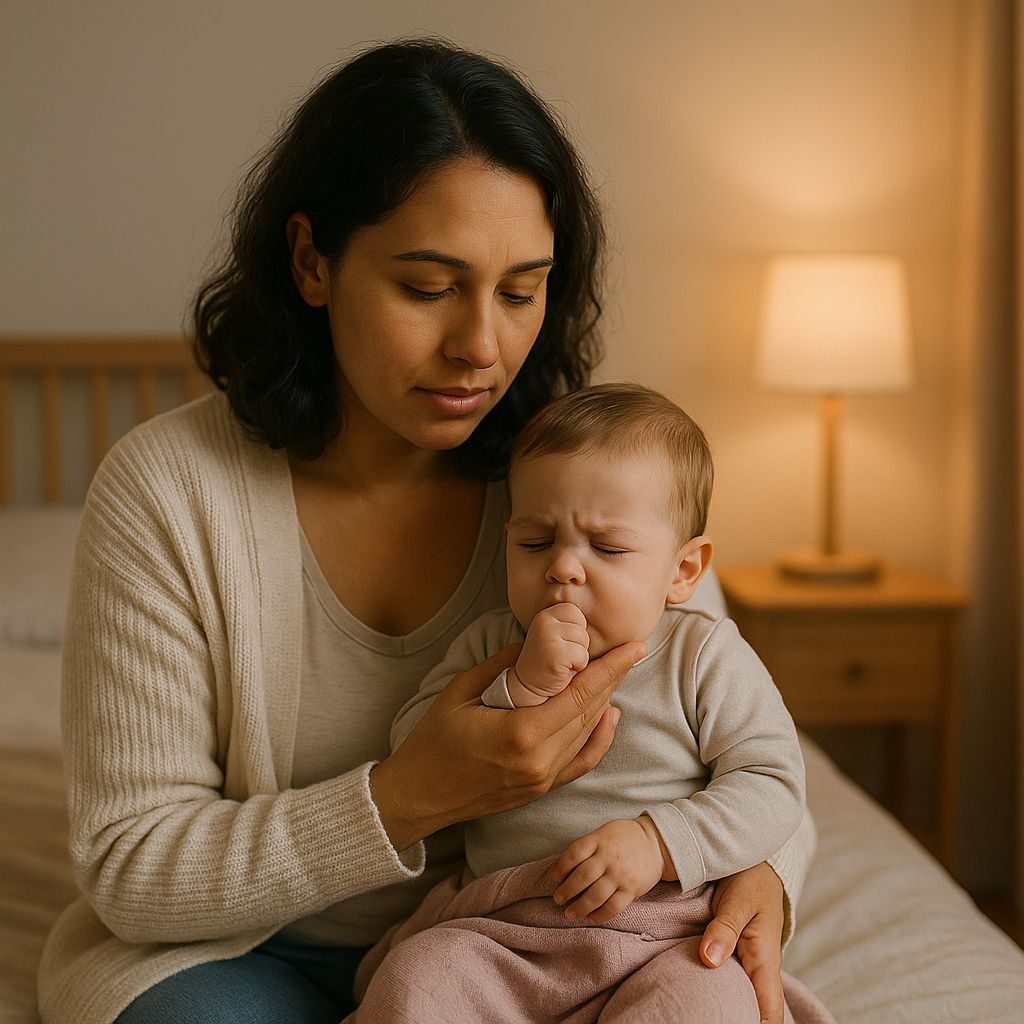

Baby Cough at Night: Gentle Home Remedies That May Help
Few things concern parents more than hearing their baby cough at night. The sound can be unsettling, and worries about your child’s comfort and health can make restful sleep elusive for both you and your little one. Nighttime cough in babies is common, especially during the colder months or allergy seasons, and while most coughs are mild, it’s important to know when to use gentle home remedies and when to seek medical advice.
Understanding Baby Cough at Night
Coughing is a protective reflex that helps clear the airways of irritants, mucus, or pathogens. In babies, nighttime coughs often result from:
- Colds and viral infections: The most common cause.
- Postnasal drip: Mucus from a stuffy nose drips down the throat, triggering a cough.
- Allergies: Environmental allergens can lead to coughing, often worse at night.
- Dry indoor air: Heating systems in winter can dry out the airways.
- Acid reflux: Can cause coughing, especially when lying down.
- Environmental irritants: Dust, smoke, or pet dander.
While most nighttime coughs are not dangerous, persistent or severe symptoms require medical evaluation.
Signs to Watch For
Before trying home remedies, assess your baby for warning signs that may warrant a doctor visit:
- Difficulty breathing, wheezing, or rapid breathing
- High fever (over 100.4°F / 38°C, especially under 3 months old)
- Blue lips or face
- Lethargy or unresponsiveness
- Dehydration (fewer diapers, dry mouth)
- Cough lasting more than a week or getting worse
If your child exhibits any of these, seek medical attention promptly.
Gentle Home Remedies for Nighttime Baby Cough
For mild nighttime coughs, several gentle, expert-recommended home remedies may help soothe your baby:
1. Humidify the Air
Dry air can irritate a baby’s respiratory tract. Using a cool-mist humidifier in your baby's bedroom helps keep the air moist. This can ease coughing and congestion. Clean the humidifier daily to prevent mold and bacteria.
2. Nasal Saline Drops and Suction
If your baby's cough is related to nasal congestion or postnasal drip, saline drops can help loosen mucus. After using saline, gently suction the nose with a bulb syringe or nasal aspirator. This can make breathing easier and reduce coughing.
3. Elevate the Head Slightly
For babies older than 12 months, raising the head of the mattress slightly (never with loose pillows or blankets) can help reduce postnasal drip and coughing. For infants, always follow safe sleep guidelines: place babies on their backs, on a firm, flat surface.
4. Offer Fluids
Fluids help thin mucus, making it easier to clear. For infants, breast milk or formula is best. Older babies (over 6 months) can have small sips of water, if recommended by your pediatrician.
5. Keep the Sleeping Environment Allergen-Free
Dust, pet dander, and other allergens can worsen nighttime cough. Regularly clean bedding, vacuum carpets, and keep pets out of the nursery to minimize exposure.
6. Warm Bath Before Bed
A warm bath can help loosen mucus and soothe your baby, potentially reducing cough frequency at night.
7. Avoid Honey for Babies Under 12 Months
Honey is a popular cough remedy for older children, but it is not safe for infants under one year due to risk of infant botulism.
8. Minimize Irritants
Keep your baby’s environment smoke-free. Don’t use strong cleaning products or air fresheners in the nursery. These can trigger or worsen respiratory symptoms.
9. Maintain Good Hygiene
Frequent handwashing for the entire family and keeping sick siblings away from the baby helps prevent the spread of infections.
What Home Remedies Should You Avoid?
- Over-the-counter cough and cold medications: These are not safe for infants and young children.
- Honey: Not for babies under 1 year.
- Essential oils: Many are unsafe for infants; avoid unless recommended by your pediatrician.
- Vicks or mentholated rubs: Not recommended for children under 2 years.
When to Seek Medical Advice
If your baby’s cough persists for more than a week, worsens, or is accompanied by any warning signs, contact your pediatrician. Babies are especially vulnerable to respiratory illnesses like bronchiolitis, croup, or pneumonia, which may require medical treatment.
Preventive Steps to Reduce Nighttime Cough
While not all coughs can be prevented, you can reduce your baby’s risk:
- Keep immunizations up to date.
- Maintain a smoke-free home.
- Use a humidifier during dry seasons.
- Wash hands frequently.
- Keep the nursery clean and allergen-free.
Expert Tips for Soothing Your Baby’s Nighttime Cough
- Stay calm: Most coughs are mild and self-limiting. Your reassurance will help your baby feel more secure.
- Monitor symptoms: Keep track of cough duration and severity.
- Stick to safe remedies: Use only pediatrician-approved approaches.
- Offer comfort: Extra cuddles, gentle rocking, and soothing words help your baby relax.
Common Questions About Baby Cough at Night
- What causes baby cough at night?
- Nighttime cough in babies can stem from colds, viral infections, allergies, postnasal drip, or dry indoor air. Sometimes, reflux and environmental irritants like dust may also contribute.
- Are home remedies safe for babies?
- Many gentle remedies, such as using a humidifier, nasal saline, and proper sleeping positions, are safe. However, avoid honey for babies under 12 months and always consult your pediatrician if unsure.
- When should I call the doctor for a baby’s cough?
- Seek medical attention if your baby has difficulty breathing, persistent cough, high fever, wheezing, lethargy, or shows signs of dehydration. Any cough lasting longer than a week or worsening should be evaluated.
- Can honey soothe a baby's cough?
- Honey is not safe for children under one year due to the risk of infant botulism. For older children, honey can be soothing, but consult your pediatrician first.
- How do I prevent nighttime cough in babies?
- Keep your baby's sleeping environment clean, use a humidifier, avoid exposure to allergens, and practice good hygiene to minimize illness transmission.
Conclusion: Balancing Comfort and Safety
Nighttime cough in babies is a frequent concern for parents. While most cases are mild and resolve on their own, gentle home remedies like humidification, saline drops, and a clean environment can offer relief. Always monitor your child for signs of more serious illness, avoid unsafe remedies, and consult your pediatrician when in doubt. With attentive care and expert guidance, you can help your baby rest easier—and reclaim peace of mind for yourself.
References
- American Academy of Pediatrics. Coughs and Colds: Medicines or Home Remedies?
- Mayo Clinic. Cough: Causes and Treatments
- Centers for Disease Control and Prevention. Infant Health