
Why Babies Become Fussy in Summer and What to Do
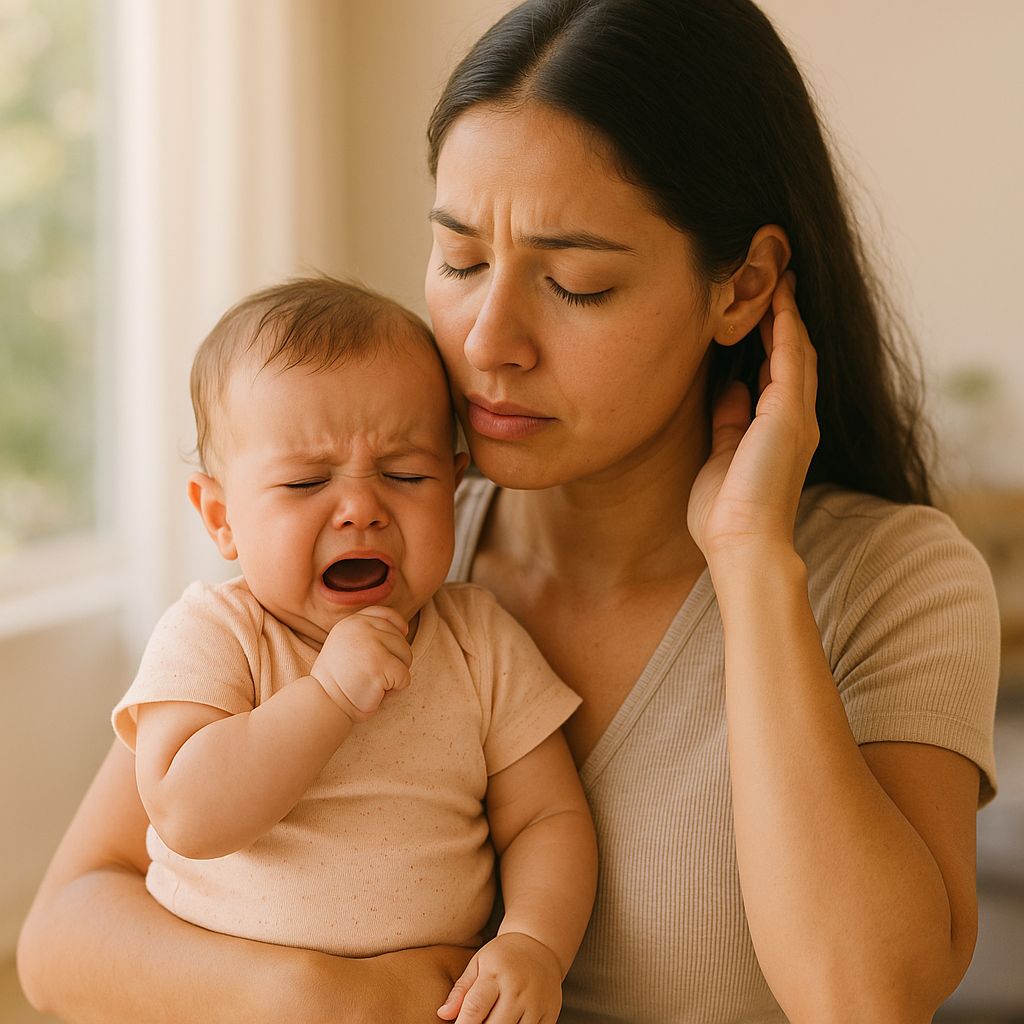
Summer is a season full of sunshine, outdoor fun, and family adventures. But for many parents, it also brings a surprising challenge: their baby suddenly seems extra fussy. If your little one is crankier during the warmer months, rest assured—you're not alone! Babies are especially sensitive to changes in temperature and humidity, and the summer heat can affect their comfort, sleep, and mood. In this article, we'll explore why babies become fussy in summer and, more importantly, what you can do to help them stay happy and healthy.
Understanding Summer Fussiness in Babies
Babies don't have the same ability as adults to regulate their body temperature. Their sweat glands are immature, and their bodies heat up more quickly. Combine this with increased humidity and longer daylight hours, and you have a recipe for discomfort and irritability. Let's break down the most common reasons why babies become fussy in summer:
- Overheating: Babies can easily become too warm, especially if dressed in heavy clothing or exposed to direct sunlight.
- Dehydration: Increased sweating and heat can lead to dehydration, which makes babies feel cranky and tired.
- Sleep Disruptions: Hot, sticky nights and longer days can interfere with your baby's sleep routine.
- Changes in Routine: Summer often means travel, visitors, and altered schedules, which can unsettle babies.
- Skin Irritations: Heat rash, sunburn, and mosquito bites are more common in summer and may cause discomfort.
Signs Your Baby Is Uncomfortable in Summer
Fussiness is just one indicator that your baby is struggling with the summer weather. Look for other signs, including:
- Flushed or red skin
- Rapid breathing
- Excessive crying
- Refusal to feed
- Less frequent wet diapers
- Rashes or prickly heat
- Lethargy or unusual sleepiness
If you notice these signs, it's important to take action quickly to prevent overheating or dehydration.
Expert Tips to Soothe Your Fussy Summer Baby
Don't panic—there are plenty of ways to help your baby feel more comfortable in the heat. Here are some expert-backed solutions:
1. Dress Your Baby for the Weather
Choose lightweight, breathable fabrics like cotton. Avoid overdressing, and remember that one layer is often enough indoors. For sleep, a cotton onesie or sleep sack is ideal. Check your baby's neck or back for signs of sweat to gauge if they're too warm.
2. Keep Their Room Cool
Maintain a comfortable room temperature (68–72°F or 20–22°C). Use fans or air conditioning, but avoid direct airflow on your baby. If air conditioning isn't available, keep curtains drawn during the day and use a fan to circulate air.
3. Hydrate, Hydrate, Hydrate
Babies under six months should continue with breastmilk or formula, as these provide all the hydration they need. For older babies, offer water between feeds. Watch for signs of dehydration, like fewer wet diapers or dry lips.
4. Adjust Sleep Routines
Summer can make sleep tricky, but a consistent bedtime routine helps. Keep the room dark during naps and bedtime, use blackout curtains, and avoid too many daytime outings that disrupt naps. If traveling, bring familiar sleep items like a favorite blanket or stuffed animal.
5. Avoid Direct Sunlight
Babies under six months should stay out of direct sunlight. For older babies, use wide-brimmed hats, sunglasses, and baby-safe sunscreen. Plan outdoor activities for early morning or late afternoon when the sun is less intense.
6. Prevent and Treat Heat Rash
Heat rash is common in summer. Keep skin dry, dress your baby in loose clothing, and avoid heavy lotions. If rash appears, cool baths and gentle patting dry help, but consult your pediatrician if it persists.
7. Adjust Feeding as Needed
Babies may want to feed more often in summer to stay hydrated. Offer feeds on demand, and be flexible with your schedule. If your baby refuses to eat, try smaller, more frequent feeds.
8. Minimize Mosquito Bites and Allergies
Use mosquito nets around strollers and cribs, and dress your baby in long sleeves when outside. Avoid scented lotions that attract bugs. If allergies flare up, consult your pediatrician about safe treatments.
9. Be Extra Cautious During Travel
Car seats can get hot quickly. Never leave your baby unattended in a car. Pack plenty of fluids, lightweight clothing, and shade options for outings. Bring familiar items to help your baby feel secure in new environments.
When to Call Your Pediatrician
Most summer fussiness is harmless and manageable at home. However, seek medical advice if your baby shows signs of:
- High fever
- Persistent vomiting or diarrhea
- Extreme lethargy or unresponsiveness
- Sunburn or severe rash
- Dehydration (no wet diapers for 6+ hours)
Your pediatrician can help rule out more serious causes and offer tailored advice.
Practical Summer Survival Checklist for Parents
- Dress your baby in light layers
- Keep rooms cool and ventilated
- Offer frequent feeds and water (if age-appropriate)
- Protect from sun and bugs
- Stick to routines as much as possible
- Watch for signs of discomfort or dehydration
- Have a pediatrician's contact info handy
Dealing with Summer Fussiness: Real Parent Stories
Sometimes, hearing from other parents helps reassure us that we're not alone. Here are a few real-life tips from the Growing Giggles community:
"Our baby hated the heat, so we invested in blackout curtains and a portable fan. We also kept a cool washcloth nearby for quick refreshes." – Sarah, mom of 8-month-old
"Frequent short walks in the early morning were a lifesaver. And lots of cuddles indoors when it was hot!" – Raj, dad of 6-month-old twins
Summer Activities That Soothe Rather Than Stress
Just because it's hot doesn't mean you can't have fun! Try these low-key, baby-friendly summer activities:
- Indoor play mats or gyms
- Gentle water play with supervision (small splash pools, baths)
- Storytime in a cool, shaded space
- Music and gentle movement indoors
- Exploring sensory toys
Final Thoughts: Enjoying Summer with Your Baby
Summer can be challenging, but it’s also a magical time to make memories with your baby. By staying alert to their needs, keeping cool, and embracing flexible routines, you’ll both enjoy the season more. Remember: fussiness is often your baby's way of saying, "I need a little help!" With patience, creativity, and these expert tips, you can keep your little one comfortable and happy all summer long.
Frequently Asked Questions
- Why does my baby get so fussy in summer?
- Babies are sensitive to heat and humidity, which can make them uncomfortable, disrupt sleep, and lead to dehydration, resulting in increased irritability.
- How can I keep my baby cool during hot weather?
- Dress your baby in lightweight, breathable clothing, keep their room cool, offer plenty of fluids, and avoid direct sunlight during peak hours.
- What signs of overheating should I watch for?
- Look for flushed skin, rapid breathing, irritability, excessive sweating, and lethargy. If your baby seems unwell, contact your pediatrician promptly.
- Is it safe to use fans or air conditioning around babies?
- Yes, as long as you avoid direct airflow on your baby and maintain a comfortable room temperature between 68–72°F (20–22°C).
- How can I help my baby sleep better in summer?
- Use lightweight sleepwear, keep the sleep environment cool and dark, and stick to consistent bedtime routines even when traveling or dealing with schedule changes.
Share Your Summer Parenting Tips!
How do you keep your baby happy in the heat? Share your tips and stories with the Growing Giggles community below. Let's make this summer a little easier—for everyone!